
What Is Cupping Treatment and How Does It Work?
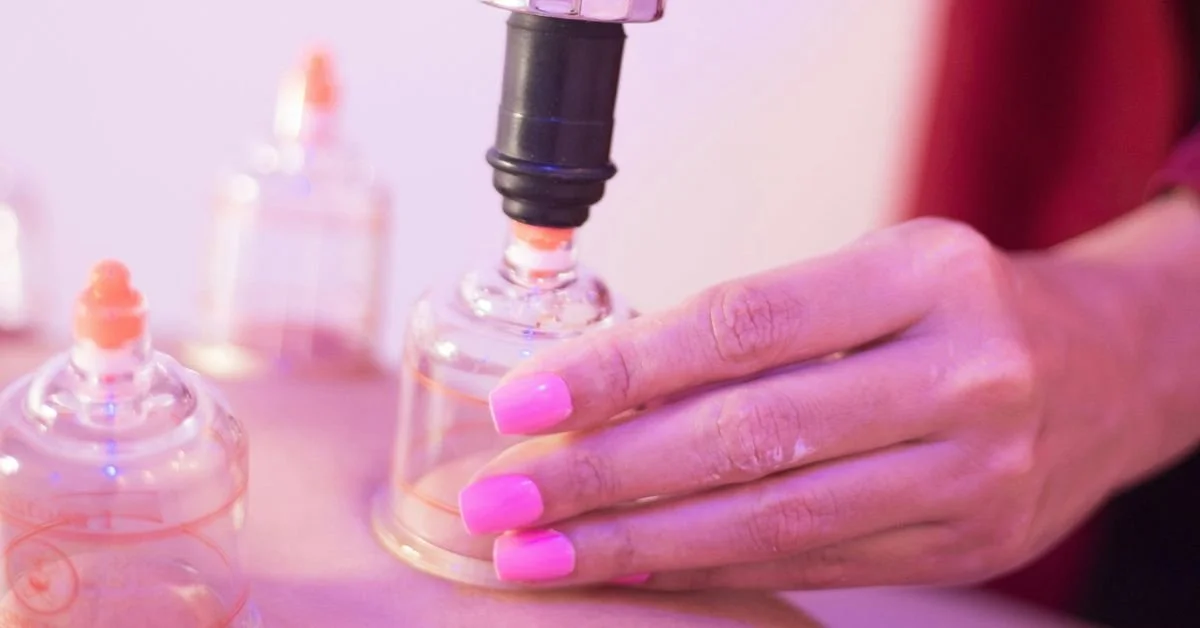
You may have seen those distinct, circular marks on the backs of athletes and celebrities and wondered what they are. Those marks are the tell-tale sign of cupping, an ancient healing practice that has surged in popularity. So, what is cupping treatment exactly? It's a form of alternative medicine where a therapist places special cups on your skin for a few minutes to create suction.
This practice, rooted in ancient Egyptian, Chinese, and Middle Eastern cultures, is a cornerstone of holistic healing treatments. It's used to help with pain, inflammation, blood flow, relaxation, and well-being, serving as a powerful form of deep-tissue massage.
The Core Principle: How Does It Work?
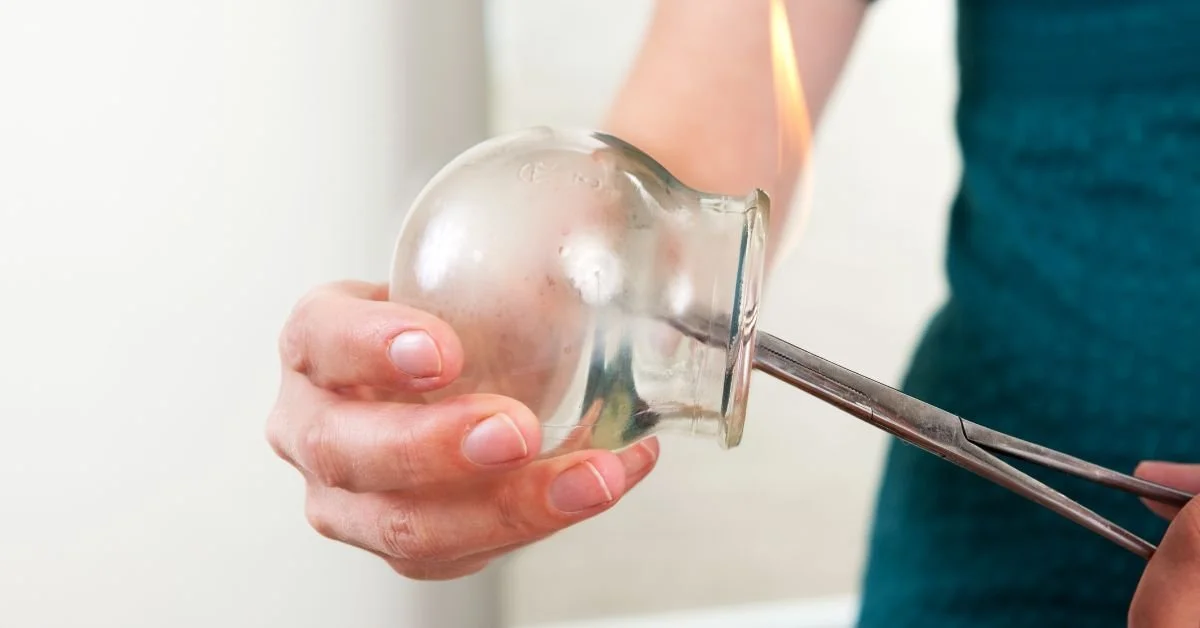
The magic of cupping lies in the negative pressure it creates. Unlike massage, which applies pressure to muscles, cupping uses suction to pull the skin, fascia, and muscle tissue upward. This vacuum effect is typically created using either heat (fire cupping) or a mechanical pump.
This gentle lifting action is believed to have several effects on the body. It expands and ruptures tiny blood vessels (capillaries) under the skin, which the body then treats as an injury. This process stimulates the natural healing process, increases blood circulation to the area, and can help relieve muscle tension.
A Journey Through Time: The Roots of Traditional Cupping Therapy
While it seems trendy today, traditional cupping therapy is one of the oldest medical practices known to humanity. The Ebers Papyrus, one of the oldest medical textbooks in the world, describes how the ancient Egyptians used cupping as early as 1,550 B.C.
However, it is most famously associated with Traditional Chinese Medicine (TCM). In TCM, cupping is believed to open up the body's meridians, or energy channels, allowing Qi (life force) to flow freely. By removing blockages and stagnation, the body's natural balance is restored, promoting health and healing.
Types of Cupping: More Than Just One Method
Cupping isn't a one-size-fits-all therapy. A trained practitioner will choose the best method for your specific needs. The primary types you might encounter include:
Dry Cupping
This is the most common method. The practitioner creates suction in the cups and places them on the body, leaving them in place for several minutes.
Wet Cupping (Hijama)
This is a more specialized procedure. After a few minutes of dry cupping, the practitioner removes the cup, makes tiny, superficial incisions on the skin, and then reapplies the cup to draw out a small amount of blood. This requires a highly qualified and experienced professional.
Massage or Moving Cupping
In this technique, the therapist applies oil or lotion to the skin before placing the cups. They then slide the cups across the target areas, creating a unique deep-tissue massage experience that is excellent for covering larger muscle groups.
Unlocking the Cupping Therapy Benefits: Why People Swear By It
People seek out cupping for a wide array of reasons, from general wellness to targeted treatment. The most widely reported benefits of cupping therapy are its ability to improve circulation and reduce stagnation in the body's tissues.
Here are some of the key advantages:
- Effective Pain Relief: Perhaps the most common reason people try cupping. It is a fantastic tool for pain relief cupping therapy, often used to address chronic back pain, neck and shoulder tension, and headaches.
- Reduced Inflammation: The suction can help pull inflammatory fluids from deep within the tissues to the surface of the skin, where the lymphatic system can more effectively clear them away.
- Improved Circulation: The negative pressure forces blood into the treated area. This rush of fresh, oxygenated blood can nourish tissues, promote cellular repair, and help form new blood vessels.
- Deep Relaxation: The sensation of cupping can be intensely relaxing, similar to a deep-tissue massage. It can help calm the nervous system, and many patients find it an effective therapy for stress and anxiety.
- Respiratory Support: Traditionally, cupping has been used on the back to help clear congestion from a common cold, bronchitis, and even asthma. For asthma or other breathing conditions, it should complement, not replace, your physician's care.
What to Expect During Your First Cupping Session
Your first session typically begins with a brief consultation in which the practitioner asks about your symptoms and health goals. You will then lie down on a massage table, usually on your stomach. The practitioner will apply the cups to the target area, such as your back, shoulders, or legs.
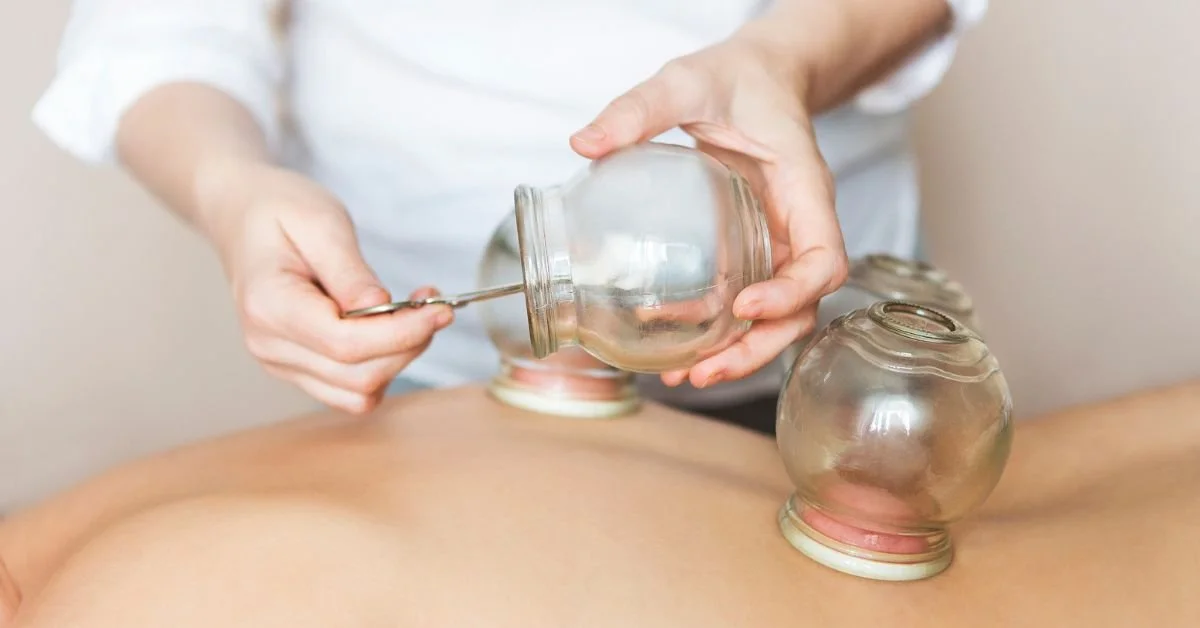
You'll feel a tight, pulling sensation as the cups are applied, which most people find relaxing after the initial minute. The cups are generally left in place for 5 to 15 minutes. After they are removed, you'll see the characteristic circular marks, which are not bruises but rather broken capillaries (petechiae). These marks can range from light pink to deep purple and typically fade within 3 to 10 days.
Integrating Modalities: Acupuncture Cupping Therapy
For a truly synergistic effect, many practitioners combine treatments. Acupuncture cupping therapy is a popular and potent combination that can enhance the benefits of both modalities. This approach is a perfect example of effective holistic healing treatments.
Acupuncture uses fine needles to target specific acupoints along the body's meridians to address energy imbalances. Cupping can then be used on broader areas of muscle tension or stagnation, working to release fascia and increase blood flow. Together, they provide a comprehensive approach to healing and pain management.
Is Cupping a Safe Form of Natural Pain Management?
When performed by a trained and licensed professional, cupping is considered a very safe form of natural pain management. The primary side effect is the temporary circular marks. Other potential, though less common, side effects include mild soreness, lightheadedness, or skin sensitivity in the treated area.
However, cupping is not for everyone. It's important to consult with a professional and avoid cupping if you have certain conditions, such as:
- A history of easy bleeding or are on blood-thinning medication.
- Sensitive skin, sunburn, or an open wound.
- Certain medical conditions and it's generally avoided during pregnancy.
Finding the Right Practitioner: Your Key to a Positive Experience
The safety and effectiveness of your treatment depend entirely on the skill of the practitioner. Look for a licensed professional with specific training in cupping, such as a licensed acupuncturist (L.Ac.; in Florida, an Acupuncture Physician, or AP), a Doctor of Oriental Medicine (D.O.M.), or a certified massage therapist with advanced cupping credentials.
Ensure their facility is clean and that they use sterile, professional-grade equipment. Don't hesitate to ask about their experience and qualifications before booking a session.
The Takeaway: Is Cupping Right for You?
Cupping therapy is more than just a passing trend; it's a time-tested healing modality that can offer profound benefits for pain, circulation, and relaxation. As a powerful tool for natural pain management, it provides a non-invasive and drug-free option for those seeking relief from modern-day stresses and chronic ailments.
If you're curious about how this ancient practice can fit into your wellness routine, the best first step is to consult with a qualified practitioner. They can assess your individual needs and determine if cupping therapy can help you on your journey toward better health and well-being.