
Expert Advice on What to Do After Cupping Treatment
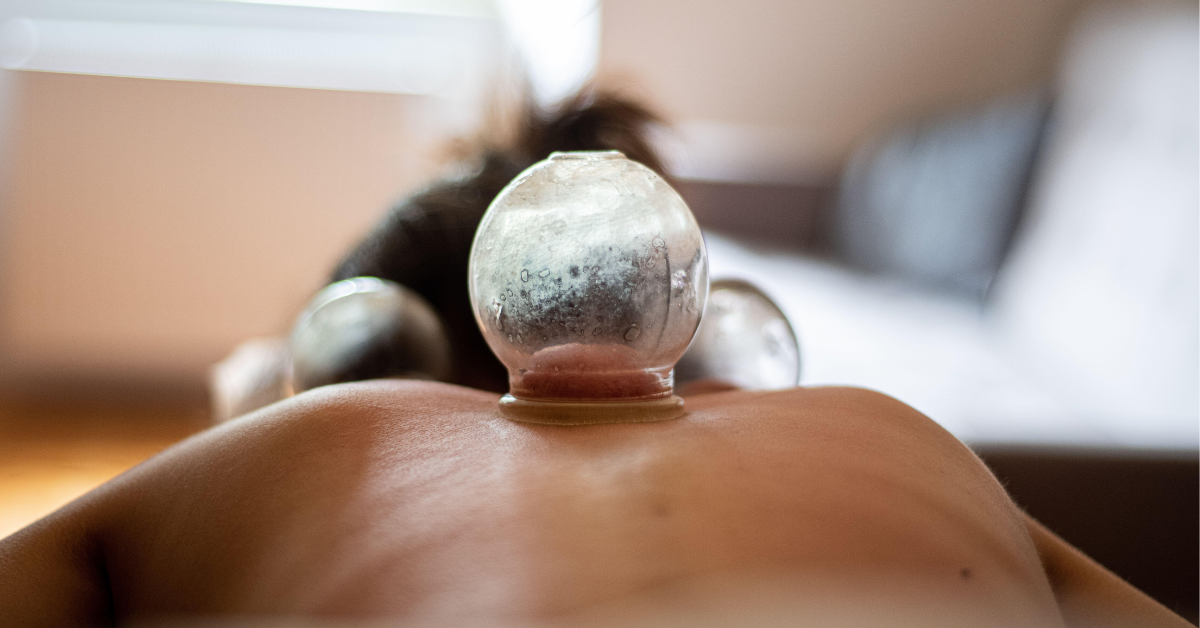
You’ve just finished a cupping session. You feel a sense of release, a newfound looseness in muscles that have been tight for ages. This ancient practice, a cornerstone of traditional Chinese medicine, is renowned for its ability to provide profound holistic pain relief. But the therapy doesn’t end when you get off the table; in fact, what you do next is crucial for maximizing its benefits.
Proper cupping therapy aftercare is essential for supporting your body’s healing process, a smooth recovery, and the results you seek. This comprehensive guide provides expert advice on exactly what to do after cupping treatment.
Understanding the "Cupping Marks": What Your Body is Telling You
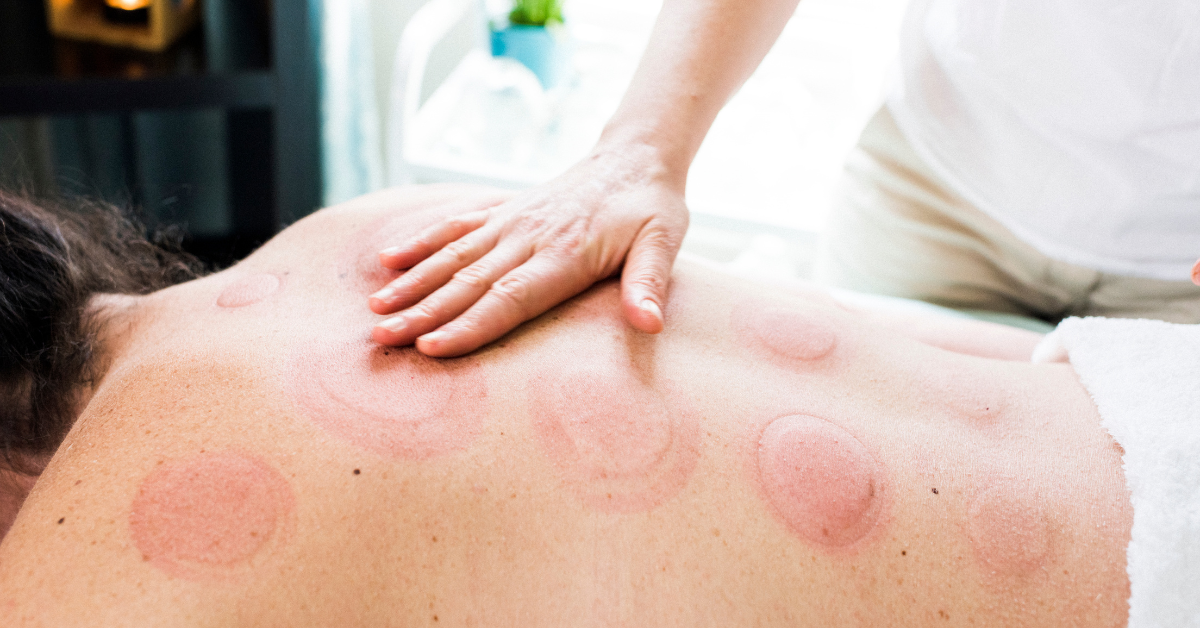
First, let’s address the most visible result of cupping: the circular marks. It's a common misconception that these are bruises. They are not. These marks, which can range from light pink to deep purple, are understood in TCM as stagnant blood being drawn from deep within the muscle tissue to the skin's surface.
In the world of acupuncture cupping therapy, the color of these marks is a diagnostic tool. Darker marks typically indicate greater stagnation in that area. Think of them as a roadmap of your body's tension. Proper aftercare is key to helping your body efficiently process and clear what the cups have brought to the surface, which is the first step in successful recovery from cupping marks.
The First 24-48 Hours: Your Crucial Cupping Aftercare Window
The 48 hours following your session are the most critical. Your body is working hard to heal and restore balance. Following these steps can help protect your body and enhance the therapeutic effects of the treatment.
Keep the Area Covered and Warm
From a Traditional Chinese Medicine perspective, cupping opens the pores and the "Wei Qi" (defensive energy) layer of the skin. This makes the treated area vulnerable to invasion by external pathogenic factors, particularly wind and cold. Protecting your body is paramount.
Always wear soft, comfortable clothing that covers the cupped areas. Avoid sitting in drafts, directly in front of air conditioners, or exposing the skin to cold wind. Keeping the muscles warm promotes healthy blood flow and prevents them from tensing up again.
Hydration is Key to Recovery
In TCM, cupping is a powerful tool for moving stagnation. As stagnation is drawn to the surface, your body is tasked with clearing it. You can significantly aid this process by staying well-hydrated.
Drink plenty of warm or room-temperature water throughout the day. Herbal teas like ginger or peppermint are also excellent choices. Proper hydration helps prevent fatigue and headaches, which are potential side effects of cupping if you become dehydrated.
Rest and Allow Your Body to Heal
While you might feel energized after cupping, it’s important to remember that your body has undergone an intense therapeutic process. It needs time and energy to integrate the changes and complete the healing cycle.
Avoid strenuous exercise, heavy lifting, or high-intensity workouts for at least 24-48 hours. Light activity, such as a gentle walk or simple stretching, is perfectly fine and can help prevent stiffness. Listen to your body; if you feel tired, permit yourself to rest.
Nourish Your Body with Clean Foods
Support your body’s recovery from the inside out. Eating clean, easily digestible foods allows your system to focus its energy on healing rather than on processing heavy, inflammatory meals.
Focus on warm, cooked foods like soups, stews, steamed vegetables, and broths. Avoid processed foods, excessive sugar, dairy, and greasy or fried foods, as these can increase inflammation and slow your recovery.
What to Avoid After Your Cupping Session
Knowing what to do after cupping treatment is just as important as knowing what not to do. Steering clear of these things will protect your sensitive skin and support the healing process.
- Extreme Temperatures: Do not take a hot shower, use a sauna or hot tub, or go swimming for at least 24 hours. The treated skin is sensitive, and extreme temperatures can cause irritation or blistering. Lukewarm showers are acceptable.
- Alcohol and Caffeine: Both are dehydrating and can work against your recovery. Avoid them for at least 24 hours.
- Scrubbing or Exfoliating: Do not scrub the cupped areas or apply harsh exfoliants. The skin is delicate. Let the marks fade naturally to avoid skin damage.
- Sun Exposure: Keep the cupped areas out of direct sunlight until the marks have completely faded. The skin is more susceptible to sunburn and discoloration during this time.
Managing Cupping Marks Recovery and Potential Side Effects
For most people, the experience after cupping is overwhelmingly positive. However, it's good to be aware of the normal recovery process and potential side effects.
How Long Do Cupping Marks Last?
The timeline for cupping marks recovery varies from person to person. Generally, the marks last anywhere from 3 to 10 days. The duration depends on the level of stagnation in the area and your body’s individual circulatory health. You'll often notice that with regular treatments, the marks become progressively lighter and fade faster as circulation improves.
Common (and Normal) Side Effects
Mild cupping treatment side effects are a normal part of the healing process. These can include:
- Mild Soreness: The treated areas might feel tender, similar to the feeling after a deep-tissue massage. This typically subsides within a day or two.
- Fatigue or Lightheadedness: Some people feel tired or a bit dizzy immediately after a session as their body adjusts. This is temporary and usually resolves with rest and hydration.
- Itchiness: As blood flow returns to the area and the skin begins to heal, you may experience some mild itching. This is a good sign of increased circulation.
If you experience anything more severe, such as significant pain, blistering, or signs of infection, such as fever or pus, contact your practitioner immediately.
Integrating Cupping into a Holistic Pain Relief Plan
Cupping therapy is most effective when viewed as part of a comprehensive wellness strategy. It is a powerful pillar of traditional Chinese medicine that works to restore the flow of Qi (life energy) and blood, thereby alleviating pain and promoting health.
It pairs exceptionally well with other modalities. Many people find that combining acupuncture and cupping therapy provides a synergistic effect, with acupuncture targeting specific energy points and cupping addressing broader areas of muscular stagnation. By following proper aftercare, you help each treatment build on the last, supporting cumulative, holistic pain relief.
Maximizing Your Treatment for Long-Term Wellness
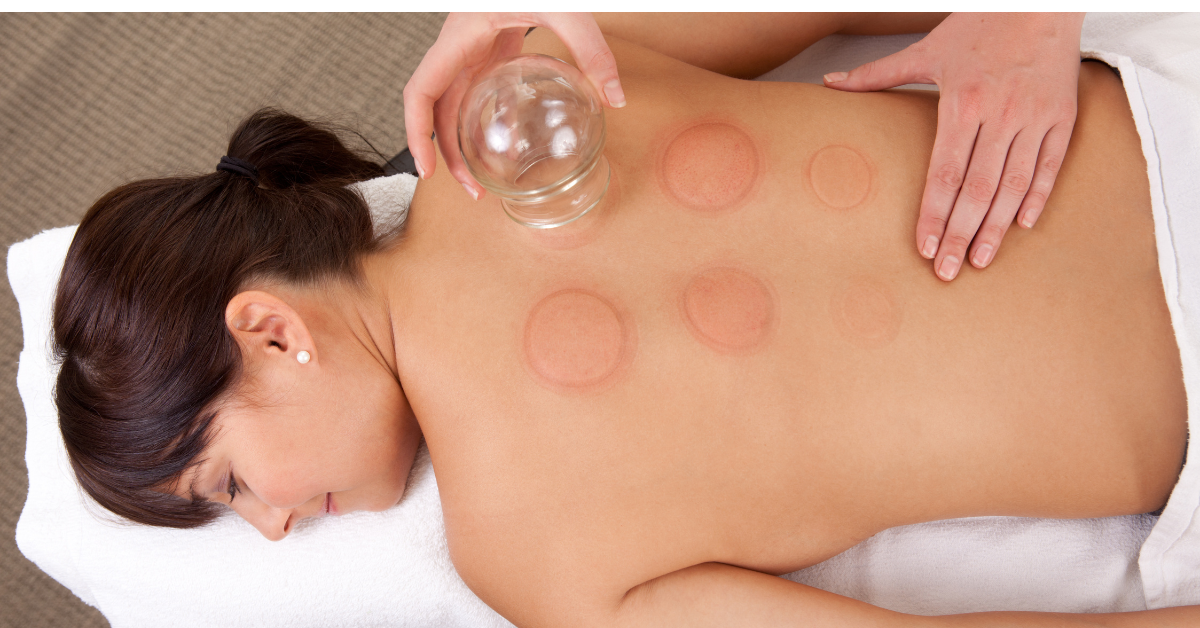
Your cupping journey doesn't end when the cups come off. The post-treatment phase is your opportunity to amplify the healing that has been initiated. By following this expert advice on what to do after cupping treatment, staying warm, hydrating, resting, and eating well, you are actively participating in your own healing.
Proper cupping therapy aftercare respects the profound work your body is doing. Listen to its signals, give it the support it needs, and you can unlock the full potential of this incredible ancient therapy for modern wellness.