
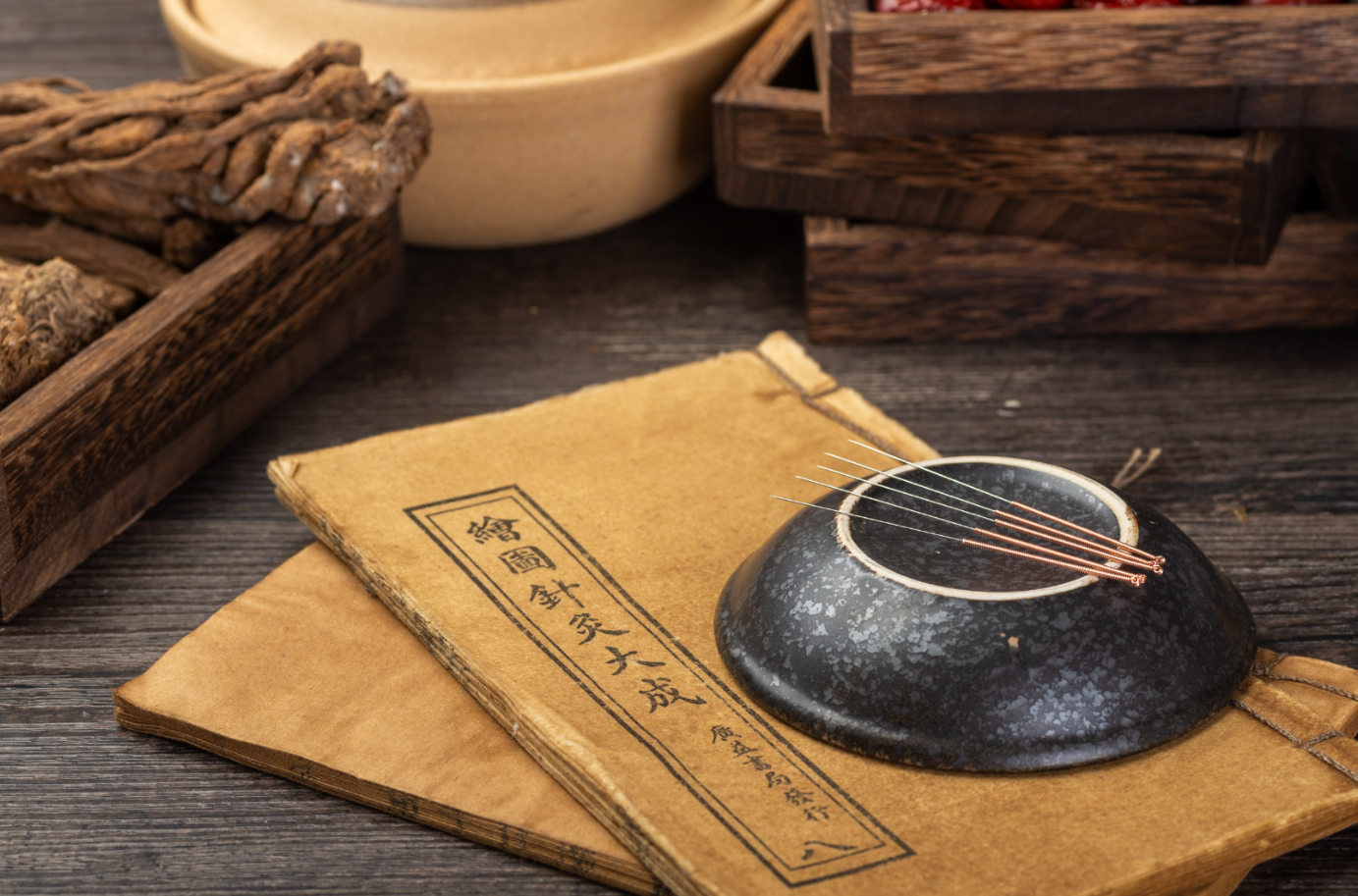
Acupuncture for IBS Support
Acupuncture for IBS Support in Boca Raton
Acupuncture care focuses on abdominal comfort, bowel-related symptoms, and less disruption to everyday routines.
Content updated
What Is IBS?
IBS is a "functional" gut disorder, meaning the bowel does not work smoothly even though tests do not show structural damage. It is defined by recurrent abdominal pain related to bowel movements, with changes in stool frequency or form, and is often classified by the predominant pattern (diarrhea, constipation, or mixed).
Acupuncture treatment for IBS symptoms is built around abdominal comfort, easier meals and more manageable bowel routines. Individualized point selection addresses gut discomfort, muscular tension and stress patterns that amplify symptom burden. Visits connect treatment with practical goals such as predictable mornings, comfortable travel, flexible meals and confidence returning to activities that bowel symptoms have disrupted.
IBS involves recurring abdominal pain with constipation, diarrhea or a mixed bowel pattern. Treatment is shaped by the symptoms, food and travel situations that affect your week, plus the stress and sleep patterns that influence comfort. Visits focus on less cramping, more settled bowel routines, easier meals and a clearer sense of control during ordinary days.
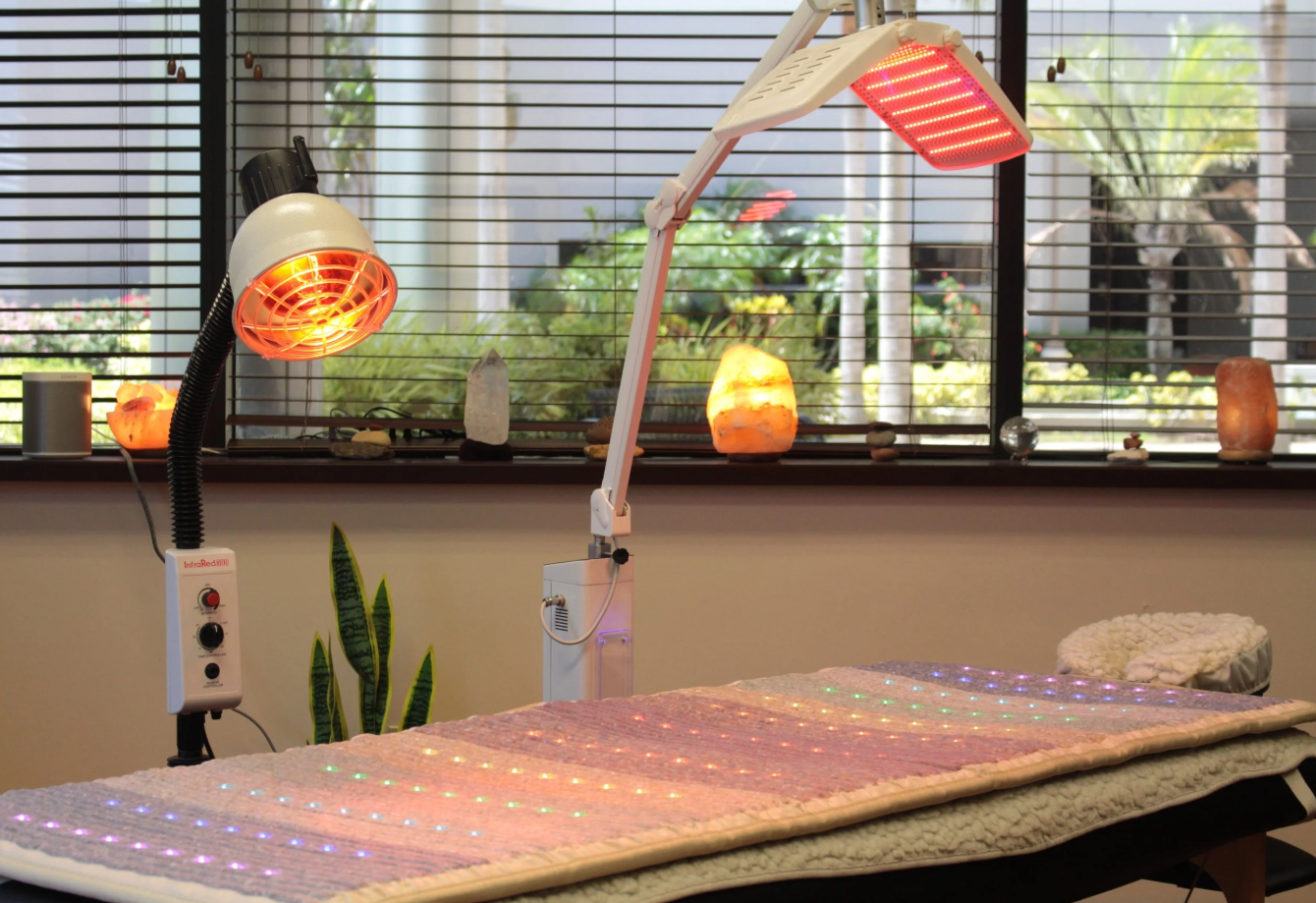
How acupuncture helps IBS
- Less disruption from abdominal discomfort
- More comfortable meals and travel
- Personalized care for your IBS pattern
Symptoms
- Abdominal pain or cramping related to bowel movements
- Bloating and gas
- Diarrhea, constipation, or alternating between them
- A feeling of incomplete evacuation
- Mucus in the stool
- Symptoms that flare with stress or certain foods
- Urgency
Risk Factors
- High stress or anxiety
- Prior gut infection (post-infectious IBS)
- Family history of IBS
- Certain dietary patterns
- Female sex (somewhat more common)
- Coexisting anxiety or depression
When to Seek Professional Care
- Rectal bleeding or black stools
- Unexplained weight loss
- Symptoms that wake you from sleep
- New bowel changes after age 50
- Anemia or a family history of bowel disease
- Severe or steadily worsening pain
Common Causes
Gut–Brain Dysregulation
Altered communication between the brain and gut increases sensitivity and disrupts motility.
Stress
Stress is one of the most consistent triggers of IBS flares.
Dietary Triggers
Certain fermentable carbohydrates (FODMAPs), caffeine, alcohol, and fatty meals commonly provoke symptoms.
Post-Infectious IBS
IBS can begin after a bout of gastroenteritis.
Gut Microbiome Changes
Imbalances in gut bacteria are associated with symptoms in some people.
Altered Motility
Bowel muscle contractions that are too fast or too slow drive diarrhea- or constipation-predominant patterns.
How We Help
Depending on your evaluation, your plan may draw on one or more of the following therapies, often beginning with Acupuncture.
Acupuncture treatment for IBS symptoms focuses on abdominal comfort, easier meals and more manageable bowel routines. Treatment is tailored to your constipation, diarrhea or mixed pattern.
Acupuncture Xperts is located in Boca Raton, serving patients from nearby communities including Delray Beach and Deerfield Beach.
What the Research Says
Selected research and clinical references for ibs, with findings and links to the original publications.
Cochrane Review
Acupuncture for treatment of irritable bowel syndrome
The Cochrane review found no advantage over credible sham treatment for IBS symptom severity or quality of life. More favorable medication comparisons may reflect expectations and other contextual factors.
Manheimer E, Cheng K, Wieland LS, et al. Acupuncture for treatment of irritable bowel syndrome. Cochrane Database Syst Rev. 2012;(5):CD005111. View on PubMed →
Randomized Trial
Effect of Acupuncture in Patients With Irritable Bowel Syndrome: A Randomized Controlled Trial
A trial favored acupuncture over selected constipation or antispasmodic medicines for IBS symptoms. It did not use a sham-acupuncture comparison, which limits conclusions about specific needling effects.
Pei L, Geng H, Guo J, et al. Effect of Acupuncture in Patients With Irritable Bowel Syndrome: A Randomized Controlled Trial. Mayo Clin Proc. 2020;95(8):1671-1683. View on PubMed →
Study populations, comparison treatments and techniques matter. The references describe research or medical guidance; they do not guarantee an individual result or replace your existing care.
These summaries are educational and describe published research; they are not a guarantee of individual results.
What to Expect
We focus on conservative, non-surgical, whole-person care aimed at addressing root contributors rather than only masking symptoms.
- 1
Initial Consultation
Care begins with a thorough conversation about your health history, lifestyle, and specific goals for addressing your ibs.
- 2
Evaluation
We assess the underlying contributors — movement, posture, muscular patterns, and overall wellness — to understand what may be driving your symptoms.
- 3
Personalized Treatment
Based on your evaluation, we build a customized plan that may combine several complementary therapies suited to your individual needs.
- 4
Supporting Recovery
Beyond in-office care, we offer guidance on movement, ergonomics, and lifestyle adjustments to help support lasting results.
Start here
New Patient Visit · 75 minutes · $178
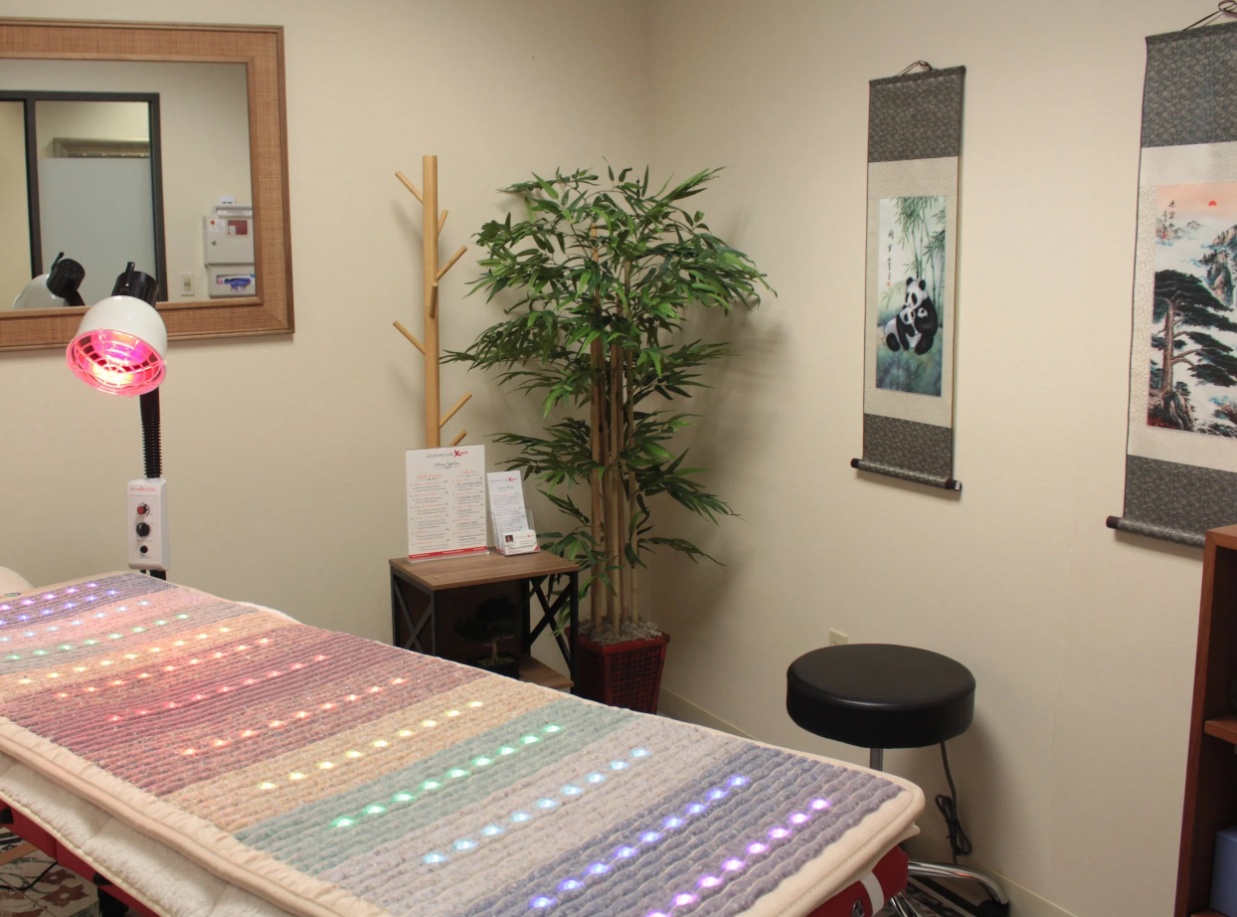
Includes a detailed medical history review, Chinese medicine assessment, physical and orthopedic exam, personalized care plan, and treatment with electro-acupuncture, cupping, PEMF and infrared light therapy.
Book Your First VisitPractical Self-Care
These options support everyday management of ibs. Choose those that fit your diagnosis, current symptoms and existing care plan; not every item is appropriate for every person.
Diet
Identify Trigger Foods
How much: Track for 2–4 weeks
Show steps ▾Hide steps ▴
- Keep a simple food-and-symptom diary to spot patterns.
- Common triggers include certain fermentable carbs (the "low-FODMAP" framework), caffeine, alcohol, and very fatty meals.
- A registered dietitian can guide a structured low-FODMAP trial if useful.
Gut–Brain
Stress Regulation
How much: Daily
Show steps ▾Hide steps ▴
- Practice slow, extended-exhale breathing to calm the gut–brain axis, especially before meals.
- Build in regular downtime; stress reliably flares IBS for many people.
- Gentle, regular movement supports healthy motility.
Routine
Regular Meals & Fiber
How much: Ongoing
Show steps ▾Hide steps ▴
- Eat at regular times rather than skipping and overeating.
- Adjust fiber gradually — soluble fiber suits many people; increases should be slow.
- Stay hydrated to support regularity.
Practical Self-Care
Separate symptoms from warning signs
How much: Use when relevant; follow your individual care plan
Show steps ▾Hide steps ▴
- Record your usual bowel pattern so a new change is clearer.
- Seek medical advice for bleeding, weight loss or other new concerning symptoms.
- Do not automatically label those as IBS.
Practical Self-Care
Plan meals away from home
How much: Use when relevant; follow your individual care plan
Show steps ▾Hide steps ▴
- Use familiar tolerated choices and allow time for meals and bathroom access.
- Avoid progressively narrowing the diet without qualified guidance.
- Bring persistent food avoidance to a dietitian or clinician.
Stop any exercise that sharply increases pain, or causes numbness, tingling, or pain radiating into a limb, and consult a qualified provider. These general examples are educational and do not replace an individual evaluation.
Frequently Asked Questions
No. Those are inflammatory bowel diseases with different risks and treatment needs. Bleeding, unexplained weight loss or other new warning signs should not be dismissed as IBS.
Broad restriction can make eating harder without identifying the cause. Use a focused plan with a qualified clinician or dietitian; some elimination approaches require a structured reintroduction phase.
Sham-controlled studies have not consistently shown a specific benefit, while some comparisons with medication favor acupuncture. Expectations, treatment context and study design can influence the results.
IBS is a gut–brain condition — the nervous system directly influences how sensitive and active the bowel is. That is why stress reliably flares symptoms and why stress regulation is a core part of care.
New, persistent, or alarming symptoms (bleeding, weight loss, anemia, symptoms starting after age 50) should be evaluated medically to rule out other conditions before assuming IBS. We are glad to work alongside your GI care.
Identifying trigger foods (a food diary, and sometimes a structured low-FODMAP trial with a dietitian), regular meals, and gradual fiber adjustments are among the best-supported steps — see the self-care section above.
We set goals around abdominal comfort, bowel pattern and affected activities, then review those changes and any unwanted effects at follow-up. When progress is useful, we can continue the focus; when it is limited, we can adjust the next step.
For a first acupuncture visit at Acupuncture Xperts, choose New Patient Acupuncture. Established acupuncture patients can choose Signature Acupuncture. Use the booking page to review other service options or contact the clinic if unsure.
Schedule acupuncture treatment in Boca Raton to focus on IBS symptoms, abdominal comfort, bowel routines and easier meals.
Bring abdominal discomfort, bowel pattern and affected meals or activities to follow-up so progress stays connected to daily life.
Acupuncture Xperts can tailor treatment goals to your IBS pattern and routines.
Have questions or ready to begin? Contact our Boca Raton clinic to get started.
Serving Boca Raton, Delray Beach, Boynton Beach, Deerfield Beach, Highland Beach, Palm Beach County.
Acupuncture Treatment for IBS Symptoms
Book a visit and we’ll build a personalized plan together.