
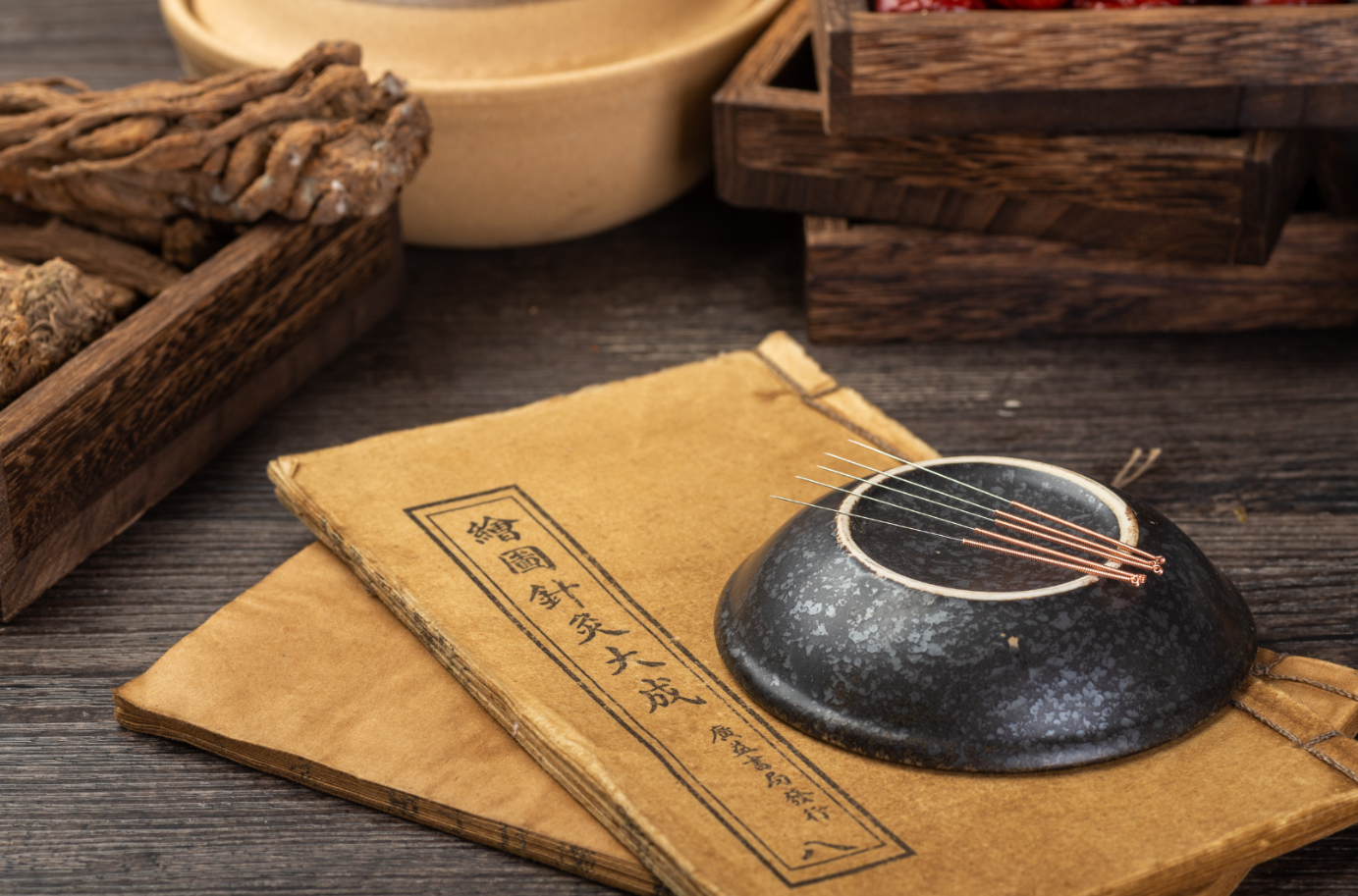
Acupuncture for Arthritis Pain
Acupuncture for Arthritis Pain in Boca Raton
Acupuncture can be a useful addition to arthritis pain management, especially for knee osteoarthritis.
Clinical review pending · Content updated
What Is Arthritis?
Arthritis literally means joint inflammation, but the term covers fundamentally different diseases. The two most common forms — osteoarthritis and rheumatoid arthritis — differ in cause, pattern, and treatment, and knowing which one you have shapes everything about appropriate care.
Osteoarthritis can affect the whole joint, while rheumatoid arthritis is an inflammatory autoimmune disease. Gout and infection can also cause a painful swollen joint. A new hot joint, especially with fever, should not be assumed to be a routine arthritis flare.
Acupuncture can be a useful addition to arthritis pain management, especially for knee osteoarthritis. Our goal at Acupuncture Xperts is to help you move with greater comfort and keep doing the activities you enjoy.
Arthritis describes several joint diseases, not one diagnosis. This page explains how acupuncture for joint pain may fit into care and why osteoarthritis and rheumatoid arthritis require different treatment plans.
Common Causes
Cartilage Wear and Age-Related Change
In osteoarthritis, decades of load gradually thin the cartilage cushion inside joints, and the underlying bone and surrounding tissues change in response — the most common pathway to joint pain after midlife.
Autoimmune Joint Inflammation
In rheumatoid arthritis, the immune system mistakenly attacks the synovial lining of joints, driving inflammation that can damage cartilage and bone if not medically controlled.
Previous Joint Injuries
Old sports injuries, fractures, and ligament tears — the tennis knee or golf shoulder of decades past — significantly raise the odds of post-traumatic osteoarthritis in that joint later in life.
Repetitive Joint Stress
Years of repetitive loading from occupations or sports common in South Florida, from golf swings to tennis serves, can accelerate wear in the joints doing the work.
Excess Body Weight
Every extra pound multiplies force through the knees and hips, and fat tissue also releases inflammatory signals — a double burden on arthritic joints.
Genetics and Family History
Both major forms of arthritis run in families, influencing cartilage durability in OA and immune behavior in RA.
Symptoms
- Joint pain that worsens with activity (typical of osteoarthritis)
- Morning stiffness lasting an hour or more (more typical of rheumatoid arthritis)
- Brief stiffness after rest that eases with movement
- Swelling or puffiness around joints
- Warmth or redness over a joint
- Grinding, clicking, or grating sensations
- Reduced range of motion
- Weakness in the muscles around a joint
- Difficulty gripping, kneeling, or climbing stairs
- Fatigue or feeling generally unwell (common with rheumatoid arthritis)
- Changes in joint shape over time in advanced cases
Risk Factors
- Age over 50
- Female sex
- Family history of arthritis
- Previous joint injuries or surgeries
- Excess body weight
- Repetitive-stress occupations or sports
- Smoking (a known risk factor for rheumatoid arthritis)
- Sedentary lifestyle and weak supporting muscles
- Joint malalignment or structural differences
- Other autoimmune or inflammatory conditions
How We Help
Depending on your evaluation, your plan may draw on one or more of the following therapies, often beginning with Acupuncture or Neuromuscular Therapy.
Acupuncture may support comfort and daily function for selected joint pain, while medication and evaluation remain essential for inflammatory arthritis or a newly swollen joint. At Acupuncture Xperts, goals concern pain and daily function. Acupuncture does not replace medication that protects joints from inflammatory disease or evaluation of a newly swollen joint.
- Discuss the symptoms and daily activities you want to improve
- Review the evidence in the context of your diagnosis and current care
- Reassess benefit and tolerance before continuing
Neuromuscular massage may offer gentle support for surrounding muscle tension and movement comfort when appropriate. Where muscle tension is part of the problem, neuromuscular massage may be discussed within Bodywork. Pressure and positioning are selected for comfort and any injury restrictions; hands-on care does not repair a disc, tendon or joint.
Cupping may provide a soothing complement for surrounding muscle tension when suitable. Fire and/or vacuum cupping may be considered for surrounding muscle tension when suitable. It is a separate service option, not a requirement for treatment or a method of repairing the underlying injury.
Acupuncture Xperts is located in Boca Raton, serving patients from nearby communities including Delray Beach and Deerfield Beach.
What the Research Says
These references help put acupuncture for arthritis pain in context. Where evidence is indirect or a reference concerns standard medical care, that distinction is stated in the summary.
Meta-Analysis
Acupuncture for Chronic Pain: Update of an Individual Patient Data Meta-Analysis
An individual-patient-data analysis of 39 trials found improvements in chronic pain compared with sham and no-acupuncture controls. The difference from sham was smaller. Findings across pain conditions do not establish effectiveness for every specific diagnosis or structural healing.
Vickers AJ, et al. Acupuncture for Chronic Pain: Update of an Individual Patient Data Meta-Analysis. J Pain. 2018;19(5):455-474. View on PubMed →
Clinical Guideline
2019 American College of Rheumatology/Arthritis Foundation Guideline for the Management of Osteoarthritis of the Hand, Hip, and Knee
The ACR/Arthritis Foundation guideline conditionally recommends acupuncture for hand, hip or knee osteoarthritis alongside shared decision-making. It gives stronger recommendations to several other measures, including exercise. It does not cover every inflammatory arthritis or establish cartilage regrowth.
Kolasinski SL, et al. 2019 American College of Rheumatology/Arthritis Foundation Guideline for the Management of Osteoarthritis of the Hand, Hip, and Knee. Arthritis Care Res (Hoboken). 2020;72(2):149-162. View on PubMed →
Randomized Trial
Effectiveness of acupuncture as adjunctive therapy in osteoarthritis of the knee: a randomized, controlled trial
In a knee-osteoarthritis trial, acupuncture produced modest improvements in function and later pain compared with sham. Follow-up loss limits interpretation. The findings concern knee symptoms rather than reversal of arthritis.
Berman BM, et al. Effectiveness of acupuncture as adjunctive therapy in osteoarthritis of the knee: a randomized, controlled trial. Ann Intern Med. 2004;141(12):901-910. View on PubMed →
Systematic Review
Clinical Efficacy of Acupuncture on Rheumatoid Arthritis and Associated Mechanisms: A Systemic Review
This rheumatoid-arthritis review reports favorable findings but includes varied study designs and acknowledges inconsistent evidence and a lack of rigorous trials. It does not justify replacing disease-modifying medication or claiming control of autoimmune disease.
Chou PC, Chu HY. Clinical Efficacy of Acupuncture on Rheumatoid Arthritis and Associated Mechanisms: A Systemic Review. Evid Based Complement Alternat Med. 2018;2018:8596918. View on PubMed →
Study populations, comparison treatments and techniques matter. The references describe research or medical guidance; they do not guarantee an individual result or replace your existing care.
These summaries are educational and describe published research; they are not a guarantee of individual results.
Movement & Self-Care
These options support everyday management of arthritis. Choose those that fit your diagnosis, current symptoms and existing care plan; not every item is appropriate for every person.
Strength
Chair Sit-to-Stand
- Sit upright in a sturdy chair with armrests, feet flat on the floor about hip-width apart and heels slightly behind your knees.
- Lean forward slightly so your nose is over your toes, then push through your heels to stand up slowly — use the armrests as much as you need.
- Stand fully upright, pause for a breath, then lower yourself back down with control rather than dropping into the seat.
- As the movement gets easier over weeks, rely less on your arms.
How much: 2 sets of 8–10, once daily
Use a stable chair against a wall, and keep hands on the armrests any time balance feels uncertain.
Range of Motion
Hand Open-and-Close
- Sit upright in a sturdy chair and rest your forearm on a table or armrest with your palm facing up.
- Slowly curl your fingers into a gentle fist — soft, not clenched — with your thumb resting outside your fingers.
- Open your hand and spread your fingers wide, feeling a light stretch across the palm.
- Repeat at an easy rhythm; warm water beforehand (such as during a morning shower) often makes this more comfortable.
How much: 10 slow reps per hand, 2–3 times daily — especially with morning stiffness
Use only if cleared for your condition. Stop for sharp pain, new numbness, weakness or a lasting flare.
Strength
Seated Knee Extensions
- Sit upright in a sturdy chair with your back supported and both feet flat on the floor.
- Slowly straighten your right knee until your leg is as level as comfortable, keeping your thigh on the seat.
- Hold for 3–5 seconds, feeling the muscles on top of your thigh working.
- Lower your foot back to the floor with control, then repeat on the left side.
How much: 2 sets of 10 per leg, once daily
Stay within a pain-free arc — grinding sensations without pain are common with arthritic knees, but sharp pain means reduce the range.
Range of Motion
Ankle Pumps and Circles
- Sit upright in a sturdy chair, extend one leg slightly, and let the heel rest on the floor.
- Pump your foot up and down through a comfortable range 10 times, as if pressing and releasing a gas pedal.
- Then draw 5 slow circles with your toes in each direction.
- Switch feet and repeat — this is a gentle way to wake up stiff ankles and feet before walking.
How much: Once through per foot, 1–2 times daily — useful before getting moving in the morning
Use only if cleared for your condition. Stop for sharp pain, new numbness, weakness or a lasting flare.
Low-Impact Aerobic
Gentle Walking
- Stand tall on a flat, even surface — a sidewalk, mall, or treadmill — wearing cushioned, supportive shoes.
- Walk at an easy, steady pace with relaxed shoulders, letting your arms swing naturally.
- Keep the duration modest at first; two or three short bouts spread through the day count just as much as one longer walk.
- Increase total time gradually week to week as your joints tolerate it.
How much: 10–20 minutes most days, broken into shorter bouts as needed
A little activity-related ache that settles quickly is acceptable; joint swelling or pain lasting into the next day means trim the duration.
Stop any exercise that sharply increases pain, or causes numbness, tingling, or pain radiating into a limb, and consult a qualified provider. These general examples are educational and do not replace an individual evaluation.

Explore Support for Arthritis Comfort
Personalized, non-surgical care from Dr. Winke and the Acupuncture Xperts team.
What to Expect
Your Care Journey
- 01
Initial Consultation
Care begins with a thorough conversation about your health history, lifestyle, and specific goals for addressing your arthritis.
- 02
Evaluation
We assess the underlying contributors — movement, posture, muscular patterns, and overall wellness — to understand what may be driving your symptoms.
- 03
Personalized Treatment
Based on your evaluation, we build a customized plan that may combine several complementary therapies suited to your individual needs.
- 04
Supporting Recovery
Beyond in-office care, we offer guidance on movement, ergonomics, and lifestyle adjustments to help support lasting results.
- 05
Our Approach
We focus on conservative, non-surgical, whole-person care aimed at addressing root contributors rather than only masking symptoms.
- 06
Why Patients Choose Us
Patients throughout South Florida choose Acupuncture Xperts for our individualized, integrative approach and our commitment to long-term wellness.
Frequently Asked Questions
No. Much of the acupuncture evidence concerns knee osteoarthritis. It should not be used to claim control of rheumatoid disease, gout or infection. Your diagnosis determines what the findings mean.
Acupuncture has not been established as a way to prevent arthritis-related structural damage. Continue the medical treatment recommended for your type of arthritis even if pain improves.
Note which joints hurt, how long morning stiffness lasts, visible swelling and tasks that are difficult. Bring medications and any rheumatology or imaging reports you already have.
Osteoarthritis is mechanical wear of joint cartilage — pain worsens with use and stiffness after rest passes quickly. Rheumatoid arthritis is an autoimmune disease attacking the joint lining, marked by prolonged morning stiffness, symmetric swelling, and fatigue, and it requires medical management with disease-modifying medication.
For most people, the opposite — the ACR/Arthritis Foundation guideline strongly recommends exercise for knee, hip, and hand osteoarthritis. The key is joint-friendly, gradually progressed movement; sharp pain or next-day swelling means the dose needs adjusting, not that movement is wrong.
We agree on practical goals and review the overall response, including any unwanted effects. Lack of meaningful benefit is a reason to reassess the approach, rather than automatically extend treatment or require a package.
For a first acupuncture visit at Acupuncture Xperts, choose New Patient Acupuncture. Established acupuncture patients can choose Signature Acupuncture. Use the booking page to review other service options or contact the clinic if unsure.
When to Seek Professional Care
- Joint pain has persisted for more than a few weeks
- Morning stiffness lasts an hour or more
- A joint is visibly swollen, warm, or red
- Pain is limiting walking, stairs, gripping, or favorite activities
- Over-the-counter measures are no longer keeping you comfortable
- Stiffness or pain is progressively worsening
- Fatigue or feeling unwell is accompanying your joint symptoms
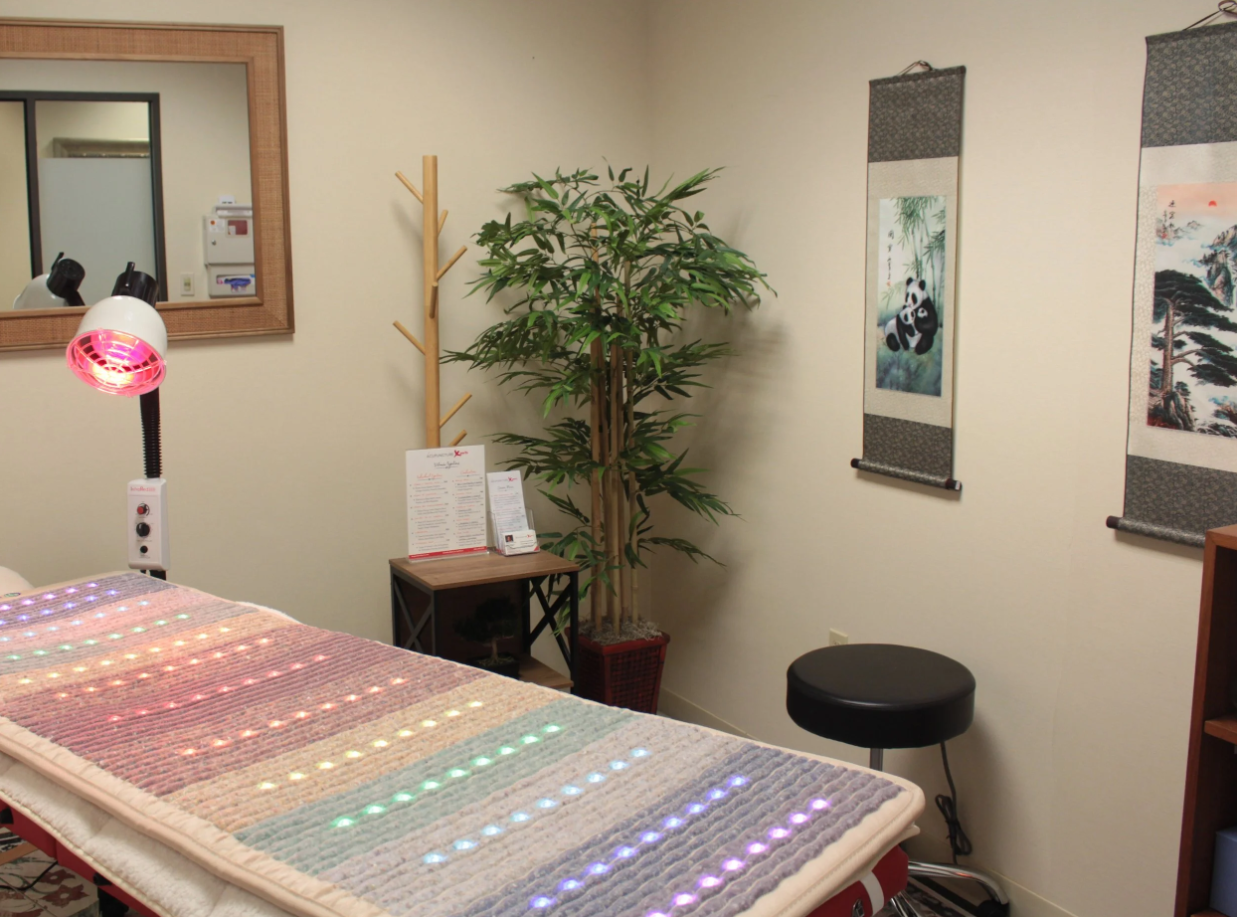
Ready to make movement and daily tasks more comfortable? A careful consultation can help you explore acupuncture support that complements the medical plan for your arthritis.
At Acupuncture Xperts, goals concern pain and daily function. Acupuncture does not replace medication that protects joints from inflammatory disease or evaluation of a newly swollen joint.
If you are considering care in Boca Raton, bring your questions and current treatment plan to Acupuncture Xperts. We can discuss whether acupuncture fits your goals and how to assess its value for you.
Have questions or ready to begin? Contact our Boca Raton clinic to get started.
Serving Boca Raton, Delray Beach, Deerfield Beach, Highland Beach, Boynton Beach, Palm Beach County.
Explore Support for Arthritis Comfort
Book a visit and we’ll build a personalized plan together.