

Acupuncture for Peripheral Neuropathy
Acupuncture for Peripheral Neuropathy in Boca Raton
Burning, tingling and restless nights can make neuropathy exhausting.
Clinical review pending · Content updated
What Is Peripheral Neuropathy?
Peripheral neuropathy refers to damage or dysfunction of the peripheral nerves — the network that carries messages between the brain and spinal cord and the rest of the body. When these nerves are affected, they can misfire, under-fire, or send pain signals with no clear cause, which is why symptoms so often feel strange and hard to describe.
Diabetes, chemotherapy, vitamin deficiencies, nerve compression and other conditions can produce different neuropathy patterns. Evidence from one group should not be applied to all of them. Symptom relief also does not prove that lost sensation or nerve conduction has recovered.
Burning, tingling and restless nights can make neuropathy exhausting. Acupuncture offers an additional approach to symptom relief, with care centered on more comfortable days and nights at Acupuncture Xperts.
Burning, tingling and numbness can arise from different types of peripheral nerve injury. At Acupuncture Xperts in Boca Raton, the first question is what is causing the symptoms and what medical care is already in place.
Common Causes
Diabetes
Chronically elevated blood sugar is the most common cause of peripheral neuropathy, gradually damaging the small nerves of the feet and legs.
Chemotherapy and Certain Medications
Some cancer treatments and other medications are neurotoxic and can trigger burning, tingling, or numbness, often in a symmetric pattern in the hands and feet.
Nerve Compression or Injury
Pressure on a nerve from trauma, repetitive stress, or a narrowed passageway (such as carpal tunnel) can disrupt normal nerve signaling.
Nutritional Deficiencies
Low levels of vitamin B12 and other nutrients important to nerve health can contribute to neuropathic symptoms over time.
Circulatory and Metabolic Conditions
Reduced blood flow, thyroid imbalance, and other metabolic disorders can starve nerves of what they need to function normally.
Idiopathic and Age-Related Changes
In many older adults no single cause is found, and nerve changes that come with aging are believed to play a role.
Symptoms
- Burning or hot sensations in the feet or hands
- Tingling or "pins and needles"
- Numbness or reduced feeling
- Sharp, stabbing, or electric-shock pains
- Increased sensitivity to touch
- A feeling of wearing invisible socks or gloves
- Muscle weakness in the feet or hands
- Balance problems or unsteadiness when walking
- Symptoms that worsen at night
- Cramping or a heavy feeling in the legs
- Difficulty sensing hot, cold, or foot injuries
Risk Factors
- Diabetes or prediabetes
- Past or current chemotherapy
- Older age
- Vitamin B12 or other nutritional deficiency
- Heavy or long-term alcohol use
- Kidney or thyroid disease
- Peripheral vascular (circulation) problems
- Repetitive-stress or compression injuries
- Family history of neuropathy
- Certain autoimmune or infectious conditions
How We Help
Depending on your evaluation, your plan may draw on one or more of the following therapies, often beginning with Acupuncture.
Acupuncture may support practical goals such as less nighttime discomfort and easier daily activity, while safety and management of the underlying cause stay central. Treatment goals may include less nighttime discomfort and easier daily activity, while foot protection, balance safety and management of the underlying cause remain priorities.
- Discuss the symptoms and daily activities you want to improve
- Review the evidence in the context of your diagnosis and current care
- Reassess benefit and tolerance before continuing
Acupuncture Xperts is located in Boca Raton, serving patients from nearby communities including Delray Beach and Deerfield Beach.
What the Research Says
These references help put acupuncture for peripheral neuropathy in context. Where evidence is indirect or a reference concerns standard medical care, that distinction is stated in the summary.
Systematic Review
Acupuncture for the Treatment of Peripheral Neuropathy: A Systematic Review and Meta-Analysis
This review found possible benefit in some neuropathy populations, but diagnoses, methods and controls differed. Evidence was insufficient for idiopathic neuropathy. Better sham-controlled studies are needed, and results should not be interpreted as proof of nerve regeneration.
Dimitrova A, Murchison C, Oken B. Acupuncture for the Treatment of Peripheral Neuropathy: A Systematic Review and Meta-Analysis. J Altern Complement Med. 2017;23(3):164-179. View on PubMed →
Randomized Trial
Effect of Acupuncture vs Sham Procedure on Chemotherapy-Induced Peripheral Neuropathy Symptoms: A Randomized Clinical Trial
A 75-person pilot found pain improvement compared with usual care in chemotherapy-induced neuropathy. The study was too small to determine a specific difference from sham confidently, and follow-up was short. It does not establish benefit for every neuropathy cause.
Bao T, Patil S, Chen C, et al. Effect of Acupuncture vs Sham Procedure on Chemotherapy-Induced Peripheral Neuropathy Symptoms: A Randomized Clinical Trial. JAMA Netw Open. 2020;3(3):e200681. View on PubMed →
Randomized Trial
Acupuncture in diabetic peripheral neuropathy-neurological outcomes of the randomized acupuncture in diabetic peripheral neuropathy trial
A 62-person diabetic neuropathy trial reported improvements in several symptom measures compared with a waiting list. Nerve-conduction testing showed no meaningful change. The absence of a sham comparison limits attribution of benefit to needling itself.
Hoerder S, Habermann IV, Hahn K, et al. Acupuncture in Diabetic Peripheral Neuropathy — Neurological Outcomes of the Randomized ACUDPN Trial. World J Diabetes. 2023;14(12):1813-1823. View on PubMed →
Study populations, comparison treatments and techniques matter. The references describe research or medical guidance; they do not guarantee an individual result or replace your existing care.
These summaries are educational and describe published research; they are not a guarantee of individual results.
Practical Self-Care
These options support everyday management of peripheral neuropathy. Choose those that fit your diagnosis, current symptoms and existing care plan; not every item is appropriate for every person.
Practical Self-Care
Check the skin of your feet
- Look over the soles, between the toes and inside your shoes each day.
- Use a mirror or ask for help if needed.
- Seek care for a new wound, redness or drainage.
How much: Use when relevant; follow your individual care plan
Practical Self-Care
Protect reduced sensation
- Wear comfortable protective footwear and check for pressure spots.
- Avoid walking barefoot or using heating pads on numb areas.
- Do not rely on sensation alone to judge temperature.
How much: Use when relevant; follow your individual care plan
Practical Self-Care
Try seated ankle movement
- Sit in a stable chair with feet supported.
- Gently move the ankles up and down through a comfortable range.
- Stop for new pain or cramping; this is movement practice, not a nerve-repair exercise.
How much: Use when relevant; follow your individual care plan
Practical Self-Care
Reduce trip hazards
- Clear loose rugs and cords from walking paths and use night lighting.
- Keep any prescribed walking aid within reach.
- Ask about balance rehabilitation after a fall or near-fall.
How much: Use when relevant; follow your individual care plan
Practical Self-Care
Keep a symptom and medication record
- Record burning, numbness, sleep disruption and new medicines.
- Take the record to the clinician managing the cause.
- Do not change diabetes treatment or supplements based on symptoms alone.
How much: Use when relevant; follow your individual care plan
Stop any exercise that sharply increases pain, or causes numbness, tingling, or pain radiating into a limb, and consult a qualified provider. These general examples are educational and do not replace an individual evaluation.

Explore Support for Peripheral Neuropathy
Personalized, non-surgical care from Dr. Winke and the Acupuncture Xperts team.
What to Expect
Your Care Journey
- 01
Initial Consultation
Care begins with a thorough conversation about your health history, lifestyle, and specific goals for addressing your peripheral neuropathy.
- 02
Evaluation
We assess the underlying contributors — movement, posture, muscular patterns, and overall wellness — to understand what may be driving your symptoms.
- 03
Personalized Treatment
Based on your evaluation, we build a customized plan that may combine several complementary therapies suited to your individual needs.
- 04
Supporting Recovery
Beyond in-office care, we offer guidance on movement, ergonomics, and lifestyle adjustments to help support lasting results.
- 05
Our Approach
We focus on conservative, non-surgical, whole-person care aimed at addressing root contributors rather than only masking symptoms.
- 06
Why Patients Choose Us
Patients throughout South Florida choose Acupuncture Xperts for our individualized, integrative approach and our commitment to long-term wellness.
Frequently Asked Questions
No. Reduced pain does not necessarily mean protective sensation has returned. Continue foot checks, suitable footwear and your diabetes or neuropathy care plan even when symptoms improve.
The cited studies primarily assess symptoms and function. One diabetic neuropathy trial reported symptom improvement without meaningful nerve-conduction changes. We do not promise nerve regrowth.
Bring your medication list, the diagnosed cause if known, relevant nerve tests and information about falls or skin wounds. Tell us about blood thinners and reduced sensation before treatment.
People commonly describe burning, tingling, numbness, or "pins and needles," often starting in the feet. Symptoms may be worse at night.
Reduced feeling makes it easy to miss cuts, blisters, or pressure sores. We encourage daily foot checks and careful attention to any changes in the skin.
We agree on practical goals and review the overall response, including any unwanted effects. Lack of meaningful benefit is a reason to reassess the approach, rather than automatically extend treatment or require a package.
For a first acupuncture visit at Acupuncture Xperts, choose New Patient Acupuncture. Established acupuncture patients can choose Signature Acupuncture. Use the booking page to review other service options or contact the clinic if unsure.
When to Seek Professional Care
- Burning, tingling, or numbness that persists or spreads
- Symptoms that increasingly disrupt sleep
- New or worsening weakness in the hands or feet
- Balance problems or a recent fall
- A foot wound, blister, or sore that is slow to heal
- Symptoms interfering with daily activities and walking
- Neuropathy alongside diabetes or other chronic conditions
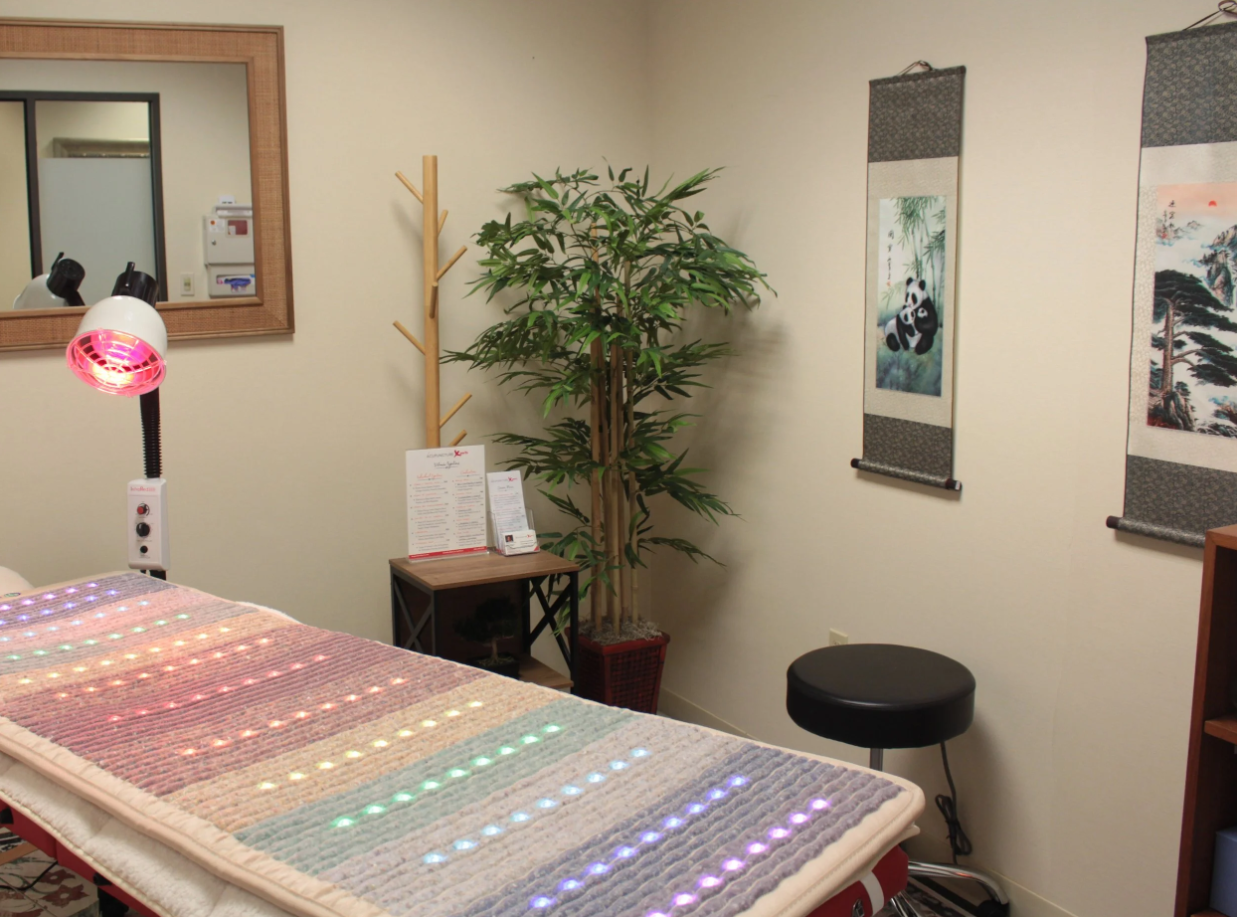
Ready to work toward more comfortable nights and easier daily activity? A careful consultation can help you explore supportive acupuncture goals alongside care for the cause of your neuropathy.
Treatment goals may include less nighttime discomfort and easier daily activity, while foot protection, balance safety and management of the underlying cause remain priorities.
If you are considering care in Boca Raton, bring your questions and current treatment plan to Acupuncture Xperts. We can discuss whether acupuncture fits your goals and how to assess its value for you.
Have questions or ready to begin? Contact our Boca Raton clinic to get started.
Related reading: NIDDK: Diabetes and foot protection · Trial author’s discussion of chemotherapy-related neuropathy research
Serving Boca Raton, Delray Beach, Deerfield Beach, Highland Beach, Boynton Beach, Palm Beach County.
Explore Support for Peripheral Neuropathy
Book a visit and we’ll build a personalized plan together.