
Acupuncture for Herniated Disc Pain
Acupuncture for Herniated Disc Pain in Boca Raton
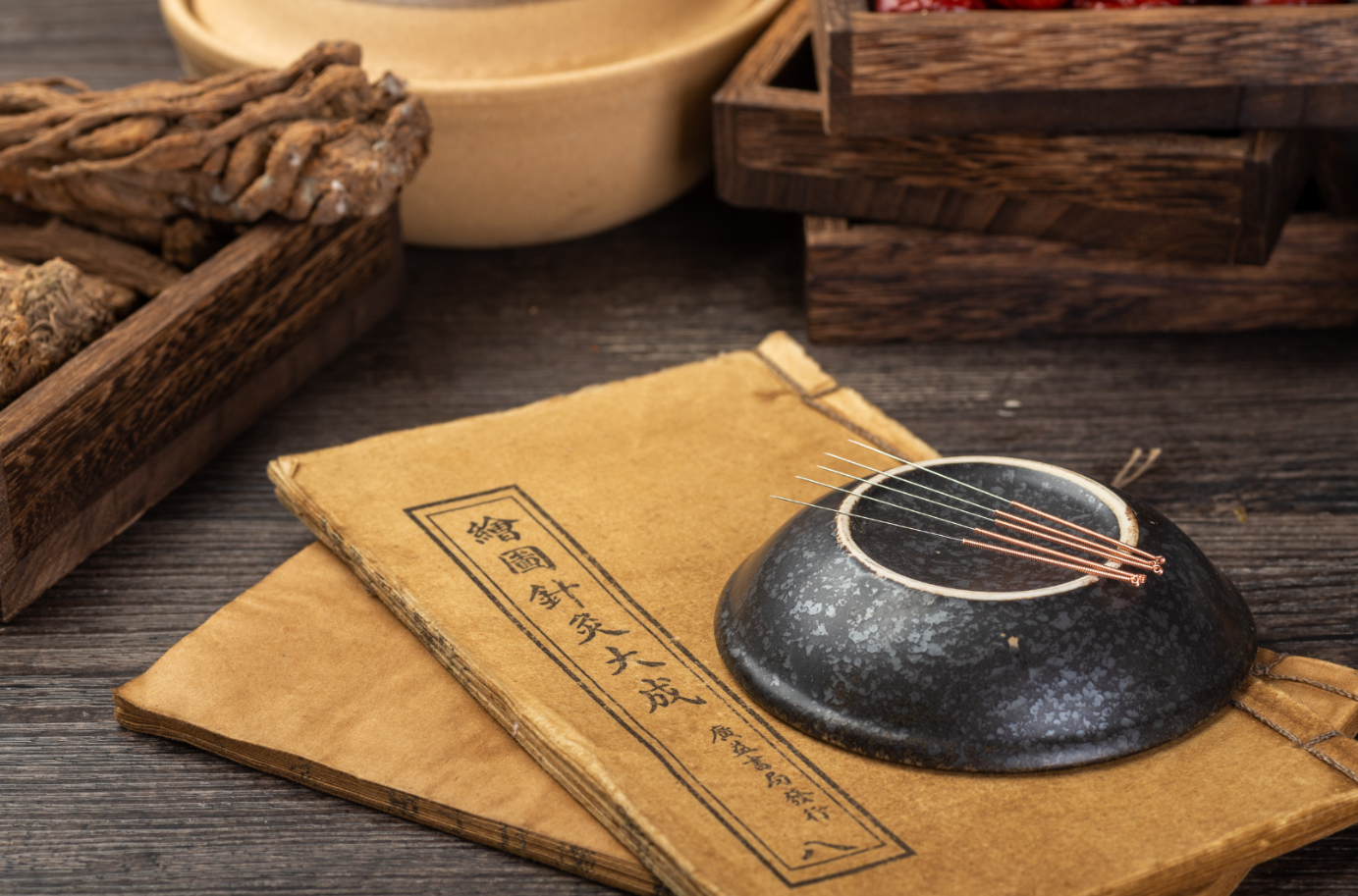
Acupuncture can help reduce persistent leg pain from a lumbar herniated disc, giving you a non-drug option for moving and sitting more comfortably.
Clinical review pending · Content updated
What Is Herniated Disc?
A herniated disc occurs when material from a spinal disc moves beyond its usual boundary. It may cause no symptoms, or may irritate a nerve and cause pain, numbness or weakness.
A herniated disc and a bulging disc are not identical findings. A herniation involves displaced disc material; symptoms depend on its location, nerve irritation and the clinical examination. Neck-related arm symptoms need their own assessment: a study of lumbar sciatica cannot establish the same benefit for cervical nerve pain.
Acupuncture can help reduce persistent leg pain from a lumbar herniated disc, giving you a non-drug option for moving and sitting more comfortably. At Acupuncture Xperts, care is tailored to the symptoms and activities that matter to you.
A disc finding on an MRI does not always explain someone’s pain. This page focuses on symptoms associated with a diagnosed herniated disc, particularly radiating leg pain, and where acupuncture may fit within conservative care.
Common Causes
Age-Related Disc Degeneration
Discs lose water content and elasticity with age, making the outer ring more prone to tearing under loads it once handled easily.
Repetitive Strain
Repeated bending, twisting, and vibration (including long hours driving) can fatigue the disc wall over time until a relatively minor movement triggers the herniation.
Sudden Trauma
Falls, car accidents, and sports collisions can injure a disc directly, particularly when the spine is loaded in a flexed position.
Injury and loading history
An injury or repeated loading may be relevant, but the cause cannot be inferred from one posture or a scan alone. Symptoms and clinical findings need to be considered together.
Symptoms
- Sharp or burning pain radiating into an arm or leg
- Pinched nerve pain that follows a specific path down the limb
- Numbness or tingling in the arm, hand, leg, or foot
- Muscle weakness in the affected limb
- Pain that worsens with sitting, bending, or lifting
- Pain that intensifies with coughing or sneezing
- Localized neck or back pain near the affected disc
- Muscle spasms around the spine
- Symptoms that shift or ease with changes in position
- Difficulty gripping objects or lifting the foot in more advanced cases
Risk Factors
- Age (herniations are most common between 30 and 50)
- Physically demanding jobs with repetitive lifting or twisting
- Prolonged sitting, driving, or desk work
- Excess body weight
- Smoking, which reduces blood supply to spinal discs
- Weak core musculature
- Improper lifting mechanics
- Sedentary lifestyle
- Family history of disc problems
How We Help
Depending on your evaluation, your plan may draw on one or more of the following therapies, often beginning with Acupuncture or Neuromuscular Therapy.
Acupuncture may support comfortable sitting, walking tolerance, and daily function while the rest of your plan addresses the underlying disc-related symptoms. Comfortable sitting, walking tolerance and the distribution of leg symptoms are more useful treatment goals than promises to move a disc back into place.
- Discuss the symptoms and daily activities you want to improve
- Review the evidence in the context of your diagnosis and current care
- Reassess benefit and tolerance before continuing
Neuromuscular massage may offer comfortable support when surrounding muscle tension contributes to symptoms, with pressure chosen around injury restrictions. Where muscle tension is part of the problem, neuromuscular massage may be discussed within Bodywork. Pressure and positioning are selected for comfort and any injury restrictions; hands-on care does not repair a disc, tendon or joint.
Cupping may provide a soothing option for surrounding muscle tension when appropriate and comfortable. Fire and/or vacuum cupping may be considered for surrounding muscle tension when suitable. It is a separate service option, not a requirement for treatment or a method of repairing the underlying injury.
Acupuncture Xperts is located in Boca Raton, serving patients from nearby communities including Delray Beach and Deerfield Beach.
What the Research Says
These references help put acupuncture for herniated disc pain in context. Where evidence is indirect or a reference concerns standard medical care, that distinction is stated in the summary.
Randomized Trial
Acupuncture vs Sham Acupuncture for Chronic Sciatica From Herniated Disk: A Randomized Clinical Trial
In a trial analyzing 216 people with chronic sciatica from a lumbar herniated disk, acupuncture improved leg pain and disability more than sham treatment. Differences persisted through one year. These results concern lumbar sciatica, not every pinched nerve or structural disc repair.
Tu JF, et al. Acupuncture vs Sham Acupuncture for Chronic Sciatica From Herniated Disk: A Randomized Clinical Trial. JAMA Intern Med. 2024;184(12):1417-1424. View on PubMed →
Meta-Analysis
Acupuncture for lumbar disc herniation: a systematic review and meta-analysis
Thirty trials favored acupuncture over several medication or traction comparisons for lumbar disc herniation. The varied comparisons and study limitations make the size of benefit uncertain; this review does not establish disc repair or superiority to a well-blinded sham procedure.
Tang S, Mo Z, Zhang R. Acupuncture for lumbar disc herniation: a systematic review and meta-analysis. Acupunct Med. 2018;36(2):62-70. View on PubMed →
Clinical Guideline
Noninvasive Treatments for Acute, Subacute, and Chronic Low Back Pain: A Clinical Practice Guideline From the American College of Physicians
The ACP guideline includes acupuncture among nondrug options for low-back pain, with other approaches such as exercise. This is broad low-back-pain guidance, not evidence that acupuncture reverses a herniation or treats every form of nerve compression.
Qaseem A, et al. Noninvasive Treatments for Acute, Subacute, and Chronic Low Back Pain: A Clinical Practice Guideline From the American College of Physicians. Ann Intern Med. 2017;166(7):514-530. View on PubMed →
Study populations, comparison treatments and techniques matter. The references describe research or medical guidance; they do not guarantee an individual result or replace your existing care.
These summaries are educational and describe published research; they are not a guarantee of individual results.
Movement & Self-Care
These options support everyday management of herniated disc. Choose those that fit your diagnosis, current symptoms and existing care plan; not every item is appropriate for every person.
Practical Self-Care
Plan a comfortable walking route
- Choose a level route with places to rest.
- Start with a distance you can manage without increasing leg symptoms.
- Record how you feel afterward before extending the route.
How much: Use when relevant; follow your individual care plan
Practical Self-Care
Vary sitting positions
- Use a supported position that feels comfortable and change position before symptoms build.
- A timer can remind you to stand or move; no single posture is right for everyone.
How much: Use when relevant; follow your individual care plan
Practical Self-Care
Review your existing rehabilitation exercises
- Bring the exercises prescribed by your physical therapist.
- Identify movements that ease symptoms and those that spread them.
- Do not add forceful stretches or loaded bending from a general web guide.
How much: Use when relevant; follow your individual care plan
Practical Self-Care
Make daily lifting manageable
- Split a load into smaller trips and keep objects close when possible.
- Ask for help with awkward loads during a flare.
- Have your therapist coach movements that repeatedly provoke symptoms.
How much: Use when relevant; follow your individual care plan
Practical Self-Care
Track leg symptoms and function
- Note where pain or tingling travels and one practical task such as walking to the mailbox.
- Bring changes in strength or sensation to medical attention rather than simply raising activity targets.
How much: Use when relevant; follow your individual care plan
Stop any exercise that sharply increases pain, or causes numbness, tingling, or pain radiating into a limb, and consult a qualified provider. These general examples are educational and do not replace an individual evaluation.

Explore Support for Herniated Disc Symptoms
Personalized, non-surgical care from Dr. Winke and the Acupuncture Xperts team.
What to Expect
Your Care Journey
- 01
Initial Consultation
Care begins with a thorough conversation about your health history, lifestyle, and specific goals for addressing your herniated disc.
- 02
Evaluation
We assess the underlying contributors — movement, posture, muscular patterns, and overall wellness — to understand what may be driving your symptoms.
- 03
Personalized Treatment
Based on your evaluation, we build a customized plan that may combine several complementary therapies suited to your individual needs.
- 04
Supporting Recovery
Beyond in-office care, we offer guidance on movement, ergonomics, and lifestyle adjustments to help support lasting results.
- 05
Our Approach
We focus on conservative, non-surgical, whole-person care aimed at addressing root contributors rather than only masking symptoms.
- 06
Why Patients Choose Us
Patients throughout South Florida choose Acupuncture Xperts for our individualized, integrative approach and our commitment to long-term wellness.
Frequently Asked Questions
It has not been shown to reposition or repair a herniated disc. The strongest study cited here measured leg pain and disability in chronic lumbar sciatica, not structural repair on an MRI.
Report new weakness, a foot that starts catching, or symptoms spreading farther down a limb. New bladder or bowel dysfunction or numbness around the groin requires emergency assessment rather than another routine appointment.
No. Exercises depend on the location of the problem and the response to movement. An exercise that sends symptoms farther into an arm or leg should be stopped and reviewed with your treating clinician.
They are closely related. A pinched nerve means a nerve is being compressed or irritated, and a herniated disc is one of the most common causes — the displaced disc material presses on the nerve root as it exits the spine. Pinched nerves can also result from bone spurs, swelling, or tight surrounding tissue.
Most people do not. Surgery is generally reserved for progressive weakness, red-flag symptoms, or pain that fails to improve after a thorough course of conservative care. Trying non-surgical options first is consistent with major clinical guidelines.
Typically sharp, burning, or electric pain that follows a specific line down the arm or leg, often with numbness, tingling, or weakness in the same territory. It differs from muscle ache, which tends to be dull and stays local.
We agree on practical goals and review the overall response, including any unwanted effects. Lack of meaningful benefit is a reason to reassess the approach, rather than automatically extend treatment or require a package.
For a first acupuncture visit at Acupuncture Xperts, choose New Patient Acupuncture. Established acupuncture patients can choose Signature Acupuncture. Use the booking page to review other service options or contact the clinic if unsure.
When to Seek Professional Care
- Radiating pain persists beyond a few weeks
- Numbness or tingling is spreading or constant
- Weakness develops in an arm, hand, leg, or foot
- Pain follows an accident, fall, or lifting injury
- Symptoms interfere with sleep, work, or daily tasks
- Pain medication is not providing adequate relief
- Loss of bladder or bowel control, or numbness in the groin area — seek emergency care immediately
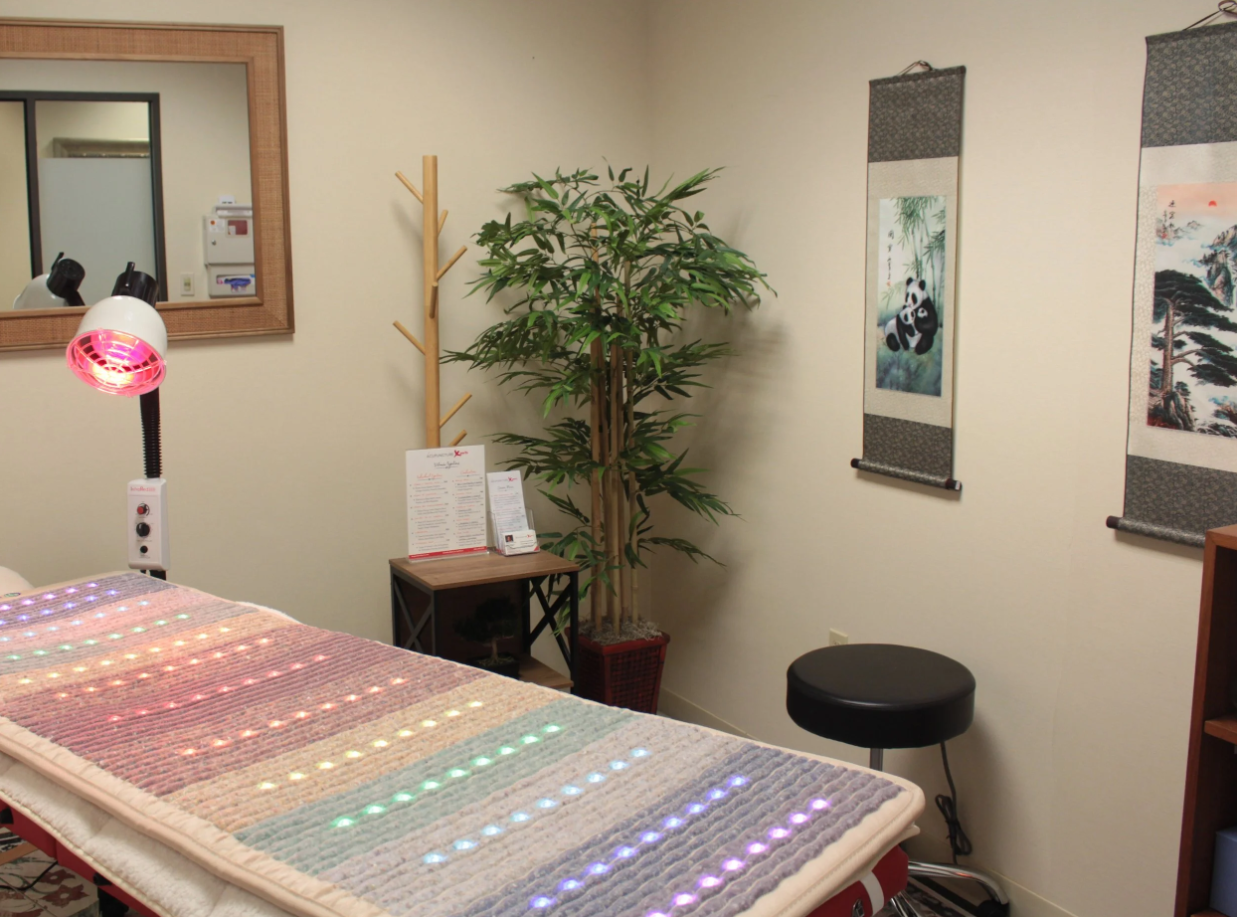
Ready to focus on more comfortable sitting, walking, and daily activity? A careful consultation can help you explore supportive acupuncture within your herniated-disc care plan.
Comfortable sitting, walking tolerance and the distribution of leg symptoms are more useful treatment goals than promises to move a disc back into place.
If you are considering care in Boca Raton, bring your questions and current treatment plan to Acupuncture Xperts. We can discuss whether acupuncture fits your goals and how to assess its value for you.
Have questions or ready to begin? Contact our Boca Raton clinic to get started.
Related reading: AAOS: Herniated disk in the lower back
Serving Boca Raton, Delray Beach, Deerfield Beach, Highland Beach, Boynton Beach, Palm Beach County.
Explore Support for Herniated Disc Symptoms
Book a visit and we’ll build a personalized plan together.