
Carpal Tunnel Syndrome Treatment
Carpal Tunnel Syndrome Treatment in Boca Raton, FL
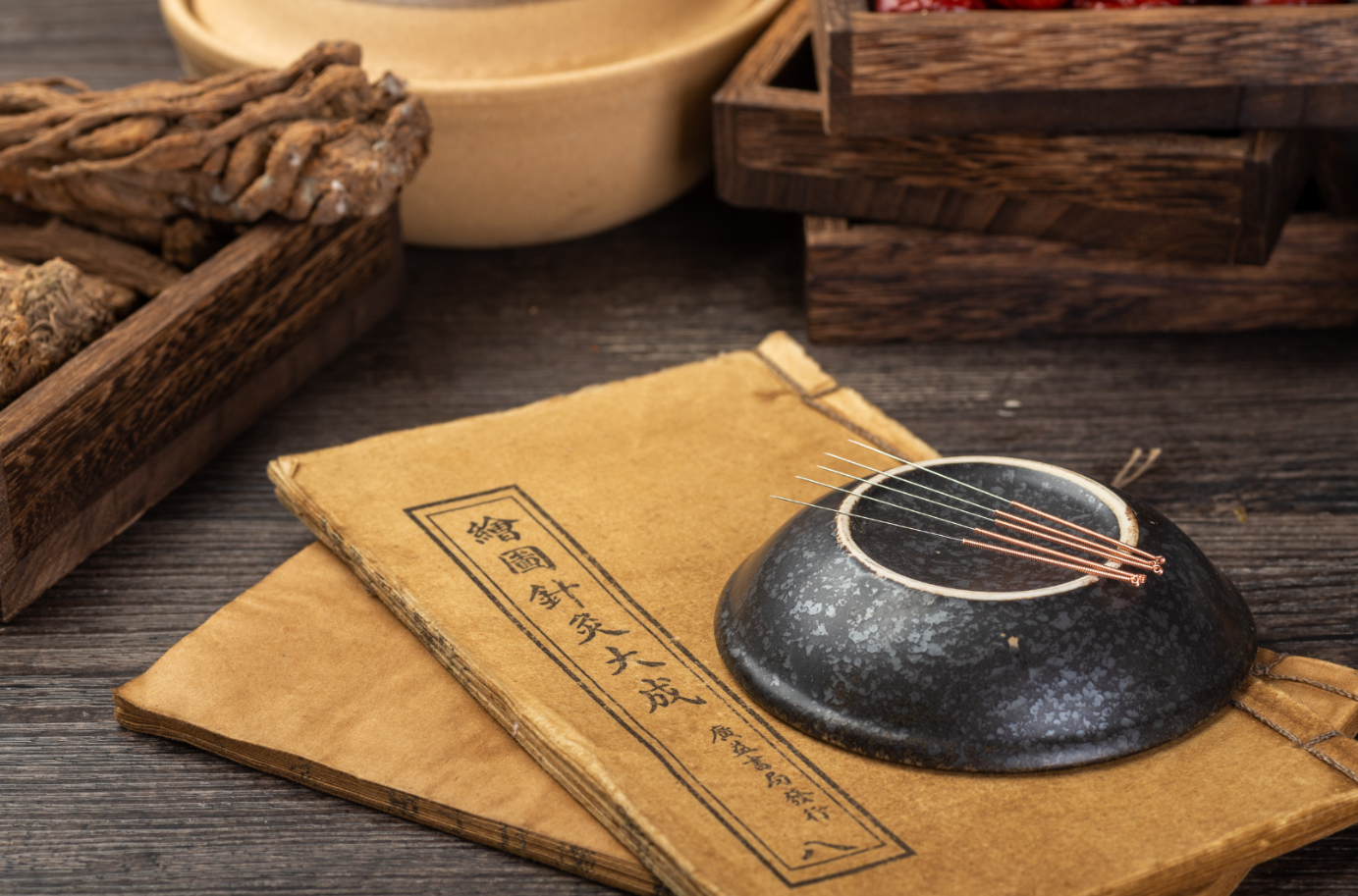
Acupuncture targets wrist and hand discomfort with treatment focused on easier work, rest, and daily tasks.
Medically reviewed by Dr. Matthew Winke, DACM · Last reviewed
What Is Carpal Tunnel Syndrome?
Carpal tunnel syndrome is compression of the median nerve as it passes through a narrow tunnel of bone and ligament at the base of the wrist. Treatment is shaped by compression severity, symptom pattern, and the hand-use demands of your day.
When surrounding tendons swell or the tunnel narrows, the nerve gets squeezed — producing numbness, tingling, and eventually weakness in the thumb, index, middle, and part of the ring finger. It’s one of the most common nerve-compression conditions, especially among people whose work or hobbies involve repetitive wrist motion or sustained gripping.
Read more ↓Read less ↑
Personalized acupuncture treatment for carpal tunnel syndrome focuses on easing tingling and wrist discomfort so sleep, gripping, typing, and daily hand use feel more comfortable. Treatment follows the median nerve pathway, forearm tension, and the mechanics that load the wrist. Sessions are shaped around hand function, work demands, and the activities you want to keep doing.
At Acupuncture Xperts, our team evaluates median-nerve symptoms, work demands, wrist mechanics, and symptom severity to design treatment around your hand function goals.
Carpal tunnel symptoms can include numbness, tingling, and weakness in the thumb, index, middle, and part of the ring finger. Acupuncture treatment targets symptom relief and comfortable hand use while the severity and pattern of compression shape treatment over time.
How acupuncture helps Carpal Tunnel Syndrome
- Easing nerve irritation
- Reducing forearm and wrist tension
- Improving circulation to the wrist
Symptoms
- Numbness or tingling in the thumb, index, and middle fingers
- Symptoms that worsen at night, often waking you up
- A sensation of swelling in the fingers, even when none is visible
- Weak grip strength, dropping objects
- Pain radiating up the forearm
- Clumsiness with fine motor tasks (buttons, phone typing)
Risk Factors
- Repetitive-motion occupations (typing, assembly, tool use)
- Diabetes
- Pregnancy
- Rheumatoid arthritis
- Obesity
- Prior wrist injury
- Family history
When to Seek Professional Care
- Numbness or tingling persists for several weeks
- Symptoms are regularly disrupting sleep
- Grip strength is noticeably declining
- You are dropping objects more frequently
- Symptoms are worsening despite ergonomic changes
- Fine motor tasks are becoming difficult
Common Causes
Repetitive Wrist Motion
Typing, assembly work, and tool use that repeatedly flexes the wrist.
Sustained Gripping
Steering, cycling, or manual work that holds the wrist in a fixed position.
Swelling from Inflammation
Conditions like rheumatoid arthritis or pregnancy-related fluid retention that narrow the tunnel.
Wrist Anatomy
Some people simply have a naturally narrower carpal tunnel.
Diabetes
Associated with a higher risk of nerve compression injuries generally.
Direct Wrist Trauma
A fracture or sprain that alters the shape of the tunnel.
How We Help
Depending on your evaluation, your plan may draw on one or more of the following therapies, often beginning with Acupuncture for Carpal Tunnel or Neuromuscular Massage Therapy.
Personalized acupuncture treatment for carpal tunnel syndrome targets points along the forearm and wrist near the affected nerve pathway. Treatment focuses on easing nerve irritation and improving sleep, hand use, and daily activity.
Neuromuscular massage treatment for carpal tunnel syndrome addresses forearm and wrist tension that makes hand use uncomfortable. Focused work eases wrist-flexor tightness around the tunnel.
- Easing forearm tension
- Releasing wrist-flexor tightness
Cupping treatment for carpal tunnel syndrome addresses tight forearm muscles and improves circulation through chronically tense tissue.
Injection Therapy for carpal tunnel symptoms addresses significant forearm and wrist soft-tissue restriction following a careful evaluation.
Carpal-tunnel patients drive to our Boca Raton office from Deerfield Beach, Lighthouse Point, and Pompano Beach.
What the Research Says
Selected research and clinical references for carpal tunnel syndrome, with findings and links to the original publications.
Systematic Review · Meta-Analysis
Acupuncture for the Treatment of Peripheral Neuropathy
Across 15 studies, most randomized trials favored acupuncture over control for several neuropathic conditions including carpal tunnel syndrome; a pooled analysis of related nerve-compression data (6 trials, 680 patients, covering diabetic neuropathy and Bell’s palsy) showed an odds ratio of 4.23 favoring acupuncture. The authors concluded acupuncture shows promise for some neuropathies but that larger, sham-controlled trials specific to carpal tunnel are still needed.
Dimitrova A, Murchison C, Oken B. Acupuncture for the Treatment of Peripheral Neuropathy: A Systematic Review and Meta-Analysis. J Altern Complement Med. 2017;23(3):164-179. View on PubMed →
Individual results vary — during your consultation we will discuss honestly what the current research suggests for your case, and whether conservative care is an appropriate starting point.
These summaries are educational and describe published research; they are not a guarantee of individual results.
What to Expect
We focus on conservative, non-surgical, whole-person care aimed at addressing root contributors rather than only masking symptoms.
- 1
Initial Consultation
Care begins with a thorough conversation about your health history, lifestyle, and specific goals for addressing your carpal tunnel syndrome.
- 2
Evaluation
We assess the underlying contributors — movement, posture, muscular patterns, and overall wellness — to understand what may be driving your symptoms.
- 3
Personalized Treatment
Based on your evaluation, we build a customized plan that may combine several complementary therapies suited to your individual needs.
- 4
Supporting Recovery
Beyond in-office care, we offer guidance on movement, ergonomics, and lifestyle adjustments to help support lasting results.
Start here
New Patient Visit · 75 minutes · $189
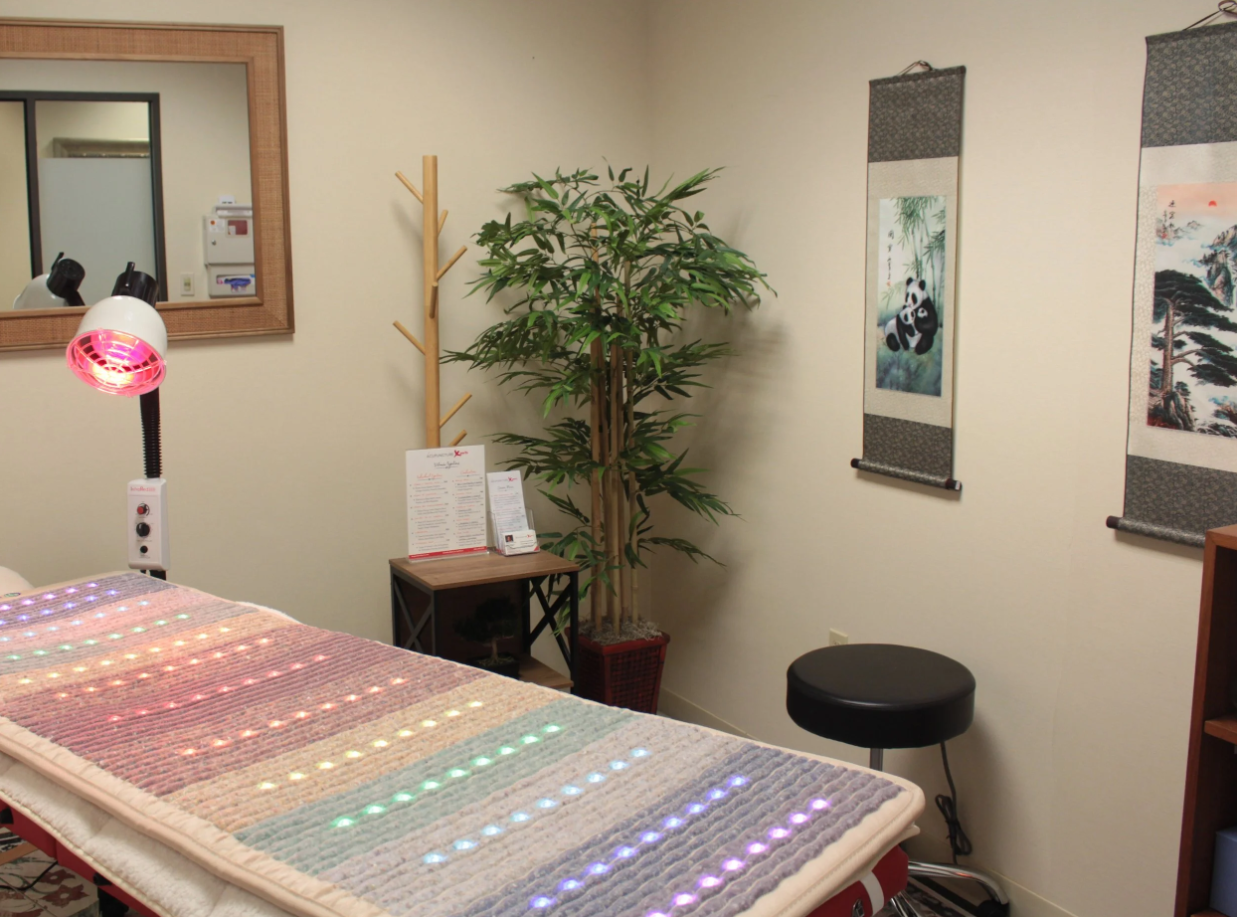
Includes a detailed medical history review, Chinese medicine assessment, physical and orthopedic exam, personalized care plan, and treatment with electro-acupuncture, cupping, PEMF and infrared light therapy.
Book Your First VisitCarpal Tunnel Exercises
Gentle nerve-gliding and stretching, paired with ergonomic changes, is a widely recommended conservative approach for carpal tunnel symptoms and pairs well with in-office treatment. The movements below are conservative starting points.
Move slowly and stop if tingling or numbness increases. These are general examples, not a personalized program — during your visit we tailor recommendations to your specific presentation.
Nerve Mobility
Median Nerve Glide
How much: 10 reps, holding 5 seconds each, once or twice daily
Show steps ▾Hide steps ▴
- Extend the affected arm out to the side at shoulder height, palm facing forward.
- Bend the wrist back and extend the fingers, as if pushing your palm away from you.
- Gently tilt your head away from that arm until you feel a light stretch, then return your head to neutral.
- Return your wrist and fingers to a relaxed position.
Stop if tingling or numbness increases — this should feel like a gentle stretch, not a nerve symptom trigger.
Stretch
Wrist Flexor Stretch
How much: 3 holds of 20–30 seconds, once daily
Show steps ▾Hide steps ▴
- Extend the affected arm in front of you, palm facing up.
- Use your other hand to gently pull the fingers back toward you until you feel a stretch along the inside of the forearm.
- Hold the stretch while breathing normally, then release.
Prevention
Ergonomic Adjustments
How much: Ongoing during work; nightly for the brace if needed
Show steps ▾Hide steps ▴
- Position your keyboard and mouse so your wrists stay neutral — straight, not bent up or down — while typing.
- Avoid resting your wrists on a hard edge of the desk while working.
- Take a short break every 30–60 minutes to gently move and shake out your wrists.
- Consider wearing a neutral-position wrist brace at night if symptoms wake you.
Stop any exercise that sharply increases pain, or causes numbness, tingling, or pain radiating into a limb, and consult a qualified provider. These general examples are educational and do not replace an individual evaluation.
Frequently Asked Questions
For mild-to-moderate cases, many patients find meaningful relief with conservative care including acupuncture as a surgery alternative; more severe or long-standing nerve compression may still need surgical evaluation. We will be honest with you about which category your case falls into.
Sleep positions often flex the wrist, which further narrows the tunnel — a neutral wrist brace at night is one of the simplest fixes.
Symptoms plus a physical exam are often enough; a nerve conduction study can confirm severity if surgery is being considered.
No. Surgery is generally reserved for more severe or persistent nerve compression. Many mild-to-moderate cases respond well to conservative, non-surgical care first.
Yes — we see carpal-tunnel patients from Deerfield Beach, Lighthouse Point, Pompano Beach, and Coconut Creek. The Boca Raton office sits just off I-95 near the county line at 621 NW 53rd Street.
Ready to make sleep, work, and steady hand use more comfortable? Start personalized acupuncture treatment for carpal tunnel syndrome in Boca Raton.
Carpal tunnel syndrome can affect sleep, work, and everyday tasks that rely on steady hands. Acupuncture treatment focuses on tingling, wrist and forearm tension, and the hand function goals that matter to you.
At Acupuncture Xperts, our team evaluates your symptoms and builds a focused plan for sleep, grip, and daily activity. We serve patients throughout Boca Raton, Delray Beach, Deerfield Beach, Highland Beach, Boynton Beach, Palm Beach County, and surrounding South Florida communities.
Have questions or ready to begin? Contact our Boca Raton clinic to get started.
Serving Boca Raton, Delray Beach, Deerfield Beach, Highland Beach, Boynton Beach, Palm Beach County.
Acupuncture Treatment for Carpal Tunnel Syndrome
Book a visit and we’ll build a personalized plan together.