
Acupuncture for Shoulder Pain
Acupuncture for Shoulder Pain in Boca Raton
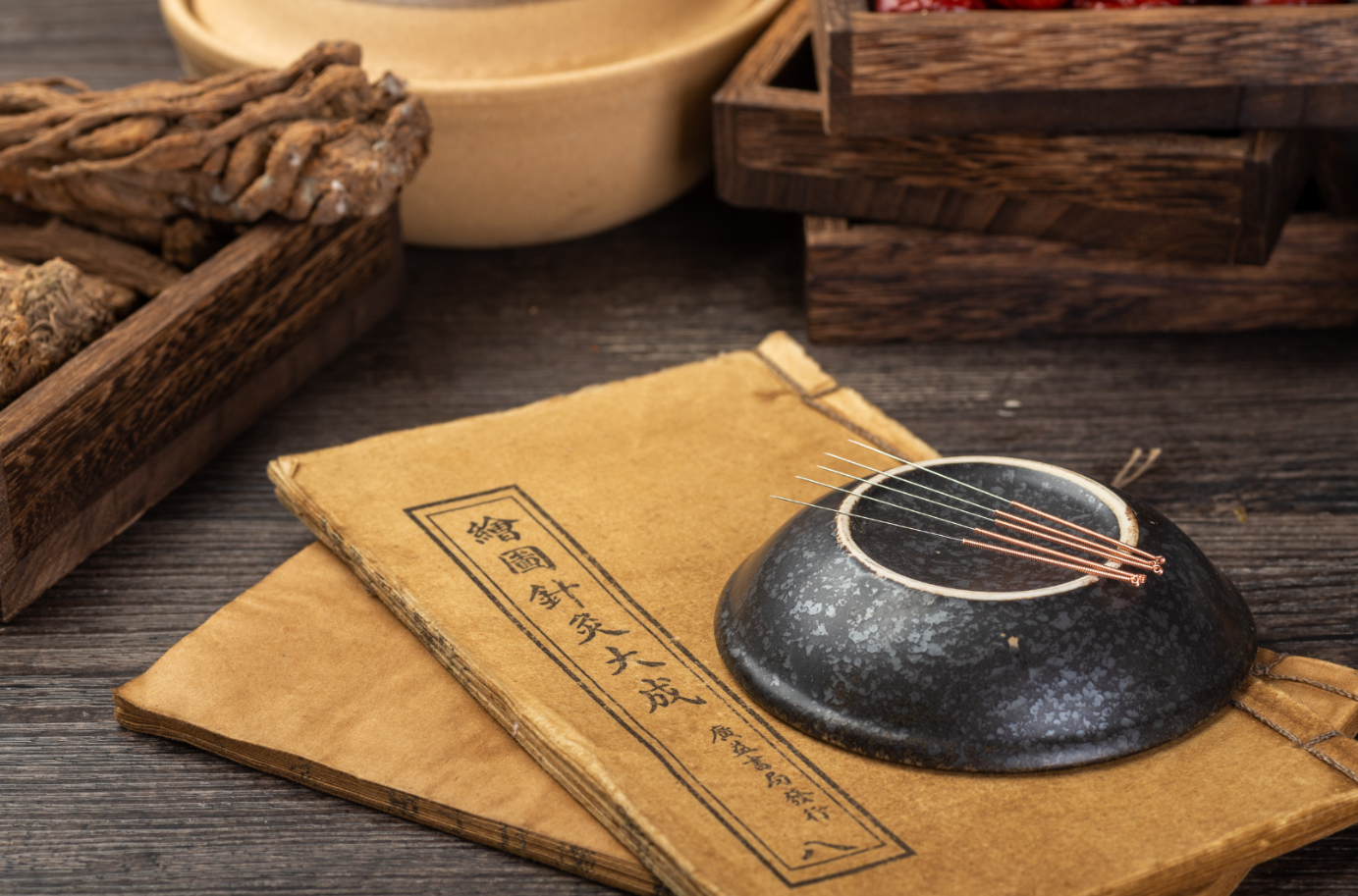
Acupuncture may help ease shoulder pain and improve function, making tasks like dressing and reaching more comfortable.
Clinical review pending · Content updated
What Is Shoulder Pain?
Shoulder pain refers to discomfort in or around the shoulder complex, which is made up of the ball-and-socket joint, the shoulder blade, and the muscles and tendons of the rotator cuff that hold everything in place. Because so many structures work together to move the arm, pain can arise from the tendons, the joint capsule, the surrounding muscles, or the way the shoulder blade moves.
Pain with reaching, night pain and loss of movement overlap across shoulder conditions. A painful movement alone cannot identify a tear. Sudden weakness after an injury or a shoulder that looks out of place needs medical assessment before exercise or hands-on treatment.
Acupuncture may help ease shoulder pain and improve function, making tasks like dressing and reaching more comfortable. At Acupuncture Xperts, we focus on the movements and daily activities you want to enjoy again.
Shoulder pain can come from a tendon, a stiff joint, an injury or pain referred from the neck. This overview helps you understand the possibilities before choosing care; the frozen-shoulder and rotator-cuff pages address those specific diagnoses.
Common Causes
Rotator Cuff Disorders
Irritation, impingement, or degeneration of the rotator cuff tendons is a leading source of shoulder pain, often worse with overhead motion.
Frozen Shoulder (Adhesive Capsulitis)
The joint capsule thickens and tightens, causing progressive stiffness and pain that can limit motion in every direction.
Tennis and Golf Overuse
Repetitive swinging and overhead loading common in racquet and club sports can strain the tendons and muscles that stabilize the shoulder.
Bursitis and Tendinitis
Inflammation of the cushioning bursa or the shoulder tendons can produce aching and pain with specific movements.
Postural and Shoulder-Blade Dysfunction
Rounded posture and poor shoulder-blade control change how the joint moves and can contribute to chronic irritation.
Age-Related and Arthritic Changes
Wear in the shoulder joint or surrounding tendons with age can lead to stiffness, weakness, and persistent discomfort.
Symptoms
- Aching deep in the shoulder
- Pain when reaching overhead or behind the back
- Stiffness and reduced range of motion
- Pain that disrupts sleep, especially lying on that side
- Weakness when lifting or carrying
- Clicking, catching, or grinding sensations
- Pain with racquet or club sports
- Difficulty with dressing, grooming, or reaching a seatbelt
- A shoulder that feels like it is "seizing up"
- Radiating ache into the upper arm
Risk Factors
- Older age
- Repetitive overhead work or hobbies
- Tennis, golf, and other racquet or club sports
- Previous shoulder injury or surgery
- Diabetes (linked to frozen shoulder)
- Poor posture and shoulder-blade control
- Prolonged immobilization of the arm
- Heavy lifting with poor mechanics
- Family history of tendon or joint problems
How We Help
Depending on your evaluation, your plan may draw on one or more of the following therapies, often beginning with Acupuncture or Neuromuscular Therapy.
Acupuncture may help make sleep, dressing, and reaching more comfortable while rehabilitation addresses movement or strength goals. Useful goals include sleeping more comfortably, dressing and reaching a shelf. Acupuncture may help pain while rehabilitation addresses the movement or strength problem.
- Discuss the symptoms and daily activities you want to improve
- Review the evidence in the context of your diagnosis and current care
- Reassess benefit and tolerance before continuing
Neuromuscular massage may offer gentle support when shoulder muscle tension contributes to discomfort, with pressure selected around your presentation. Where muscle tension is part of the problem, neuromuscular massage may be discussed within Bodywork. Pressure and positioning are selected for comfort and any injury restrictions; hands-on care does not repair a disc, tendon or joint.
Gua Sha may offer a soothing option for selected shoulder soft-tissue tension after reviewing skin and bruising considerations. Gua Sha is a Bodywork option for selected soft-tissue concerns. It is considered after reviewing skin condition, bruising risk and the area involved, rather than applied automatically to a painful site.
Cupping may be considered as a comfortable complement for surrounding shoulder muscle tension when suitable. Fire and/or vacuum cupping may be considered for surrounding muscle tension when suitable. It is a separate service option, not a requirement for treatment or a method of repairing the underlying injury.
Acupuncture Xperts is located in Boca Raton, serving patients from nearby communities including Delray Beach and Deerfield Beach.
What the Research Says
These references help put acupuncture for shoulder pain in context. Where evidence is indirect or a reference concerns standard medical care, that distinction is stated in the summary.
Cochrane Review
Acupuncture for shoulder pain
This older Cochrane review found too few sufficiently comparable trials to draw firm conclusions for shoulder pain. Some short-term improvements were reported, but evidence did not establish a durable benefit across shoulder diagnoses.
Green S, Buchbinder R, Hetrick S. Acupuncture for shoulder pain. Cochrane Database Syst Rev. 2005;(2):CD005319. View on PubMed →
Randomized Trial
German Randomized Acupuncture Trial for chronic shoulder pain (GRASP) - a pragmatic, controlled, patient-blinded, multi-centre trial in an outpatient care environment
The GRASP trial enrolled 424 people with chronic shoulder pain and favored acupuncture over sham and conventional care on its pain-response outcome. It supports a possible role in symptom care, not repair of a torn tendon.
Molsberger AF, Schneider T, Gotthardt H, Drabik A. German Randomized Acupuncture Trial for chronic shoulder pain (GRASP). Pain. 2010;151(1):146-154. View on PubMed →
Meta-Analysis
Acupuncture for Chronic Pain: Update of an Individual Patient Data Meta-Analysis
An individual-patient-data analysis of 39 trials found improvements in chronic pain compared with sham and no-acupuncture controls. The difference from sham was smaller. Findings across pain conditions do not establish effectiveness for every specific diagnosis or structural healing.
Vickers AJ, et al. Acupuncture for Chronic Pain: Update of an Individual Patient Data Meta-Analysis. J Pain. 2018;19(5):455-474. View on PubMed →
Study populations, comparison treatments and techniques matter. The references describe research or medical guidance; they do not guarantee an individual result or replace your existing care.
These summaries are educational and describe published research; they are not a guarantee of individual results.
Movement & Self-Care
These options support everyday management of shoulder pain. Choose those that fit your diagnosis, current symptoms and existing care plan; not every item is appropriate for every person.
Practical Self-Care
Support the arm during rest
- Try supporting the forearm with a pillow when sitting or lying down.
- Choose a position that reduces pulling on the shoulder.
- Avoid forcing the arm into a stretch while asleep.
How much: Use when relevant; follow your individual care plan
Practical Self-Care
Reduce repeated painful reaching
- Move commonly used objects to an accessible height.
- Break up overhead tasks and use the other hand when practical.
- A temporary adjustment should make activity manageable rather than immobilize the shoulder.
How much: Use when relevant; follow your individual care plan
Practical Self-Care
Use comfortable assisted movement
- If your clinician has cleared movement, rest the hand on a table and slide it forward gently.
- Stay within a comfortable range.
- Stop for sharp pain, new weakness or instability.
How much: Use when relevant; follow your individual care plan
Practical Self-Care
Keep rehabilitation specific
- Use the strengthening plan prescribed for your diagnosis.
- Do not start heavy band work after a new injury or surgery without clearance.
- Bring exercise-related flare-ups to your therapist.
How much: Use when relevant; follow your individual care plan
Practical Self-Care
Measure a useful task
- Track one movement such as putting on a shirt, plus sleep comfort.
- Note both immediate and next-day response.
- This helps distinguish meaningful improvement from a brief change in pain.
How much: Use when relevant; follow your individual care plan
Stop any exercise that sharply increases pain, or causes numbness, tingling, or pain radiating into a limb, and consult a qualified provider. These general examples are educational and do not replace an individual evaluation.

Explore Support for Shoulder Comfort
Personalized, non-surgical care from Dr. Winke and the Acupuncture Xperts team.
What to Expect
Your Care Journey
- 01
Initial Consultation
Care begins with a thorough conversation about your health history, lifestyle, and specific goals for addressing your shoulder pain.
- 02
Evaluation
We assess the underlying contributors — movement, posture, muscular patterns, and overall wellness — to understand what may be driving your symptoms.
- 03
Personalized Treatment
Based on your evaluation, we build a customized plan that may combine several complementary therapies suited to your individual needs.
- 04
Supporting Recovery
Beyond in-office care, we offer guidance on movement, ergonomics, and lifestyle adjustments to help support lasting results.
- 05
Our Approach
We focus on conservative, non-surgical, whole-person care aimed at addressing root contributors rather than only masking symptoms.
- 06
Why Patients Choose Us
Patients throughout South Florida choose Acupuncture Xperts for our individualized, integrative approach and our commitment to long-term wellness.
Frequently Asked Questions
No. An assessment of your history, strength and movement guides whether imaging or an orthopedic opinion is appropriate. Pain improvement does not rule out a tendon tear.
Modify tasks that clearly worsen symptoms while keeping comfortable movement, unless your treating clinician has imposed restrictions. Return to heavy or repetitive overhead work should follow your rehabilitation plan.
Shoulder or arm pain with chest pressure, breathlessness, sweating or faintness can be an emergency. Call 911 rather than booking a routine shoulder visit.
Rotator cuff problems involve irritation or degeneration of the stabilizing tendons, while frozen shoulder is a tightening of the joint capsule that markedly limits motion. Both are commonly evaluated in our office.
Yes. The repetitive overhead and swinging demands of racquet and club sports are common contributors to shoulder overuse, which we consider when assessing your pain.
Many shoulder conditions, especially rotator cuff and frozen shoulder, are notorious for disrupting sleep, particularly when lying on the affected side. This is a common reason people seek care.
We agree on practical goals and review the overall response, including any unwanted effects. Lack of meaningful benefit is a reason to reassess the approach, rather than automatically extend treatment or require a package.
For a first acupuncture visit at Acupuncture Xperts, choose New Patient Acupuncture. Established acupuncture patients can choose Signature Acupuncture. Use the booking page to review other service options or contact the clinic if unsure.
When to Seek Professional Care
- Shoulder pain that persists for several weeks
- Progressive stiffness or loss of motion
- Pain that consistently disrupts your sleep
- Weakness lifting or reaching overhead
- Pain following a fall or lifting injury
- Difficulty with dressing, grooming, or daily tasks
- Symptoms that keep returning with sport or activity
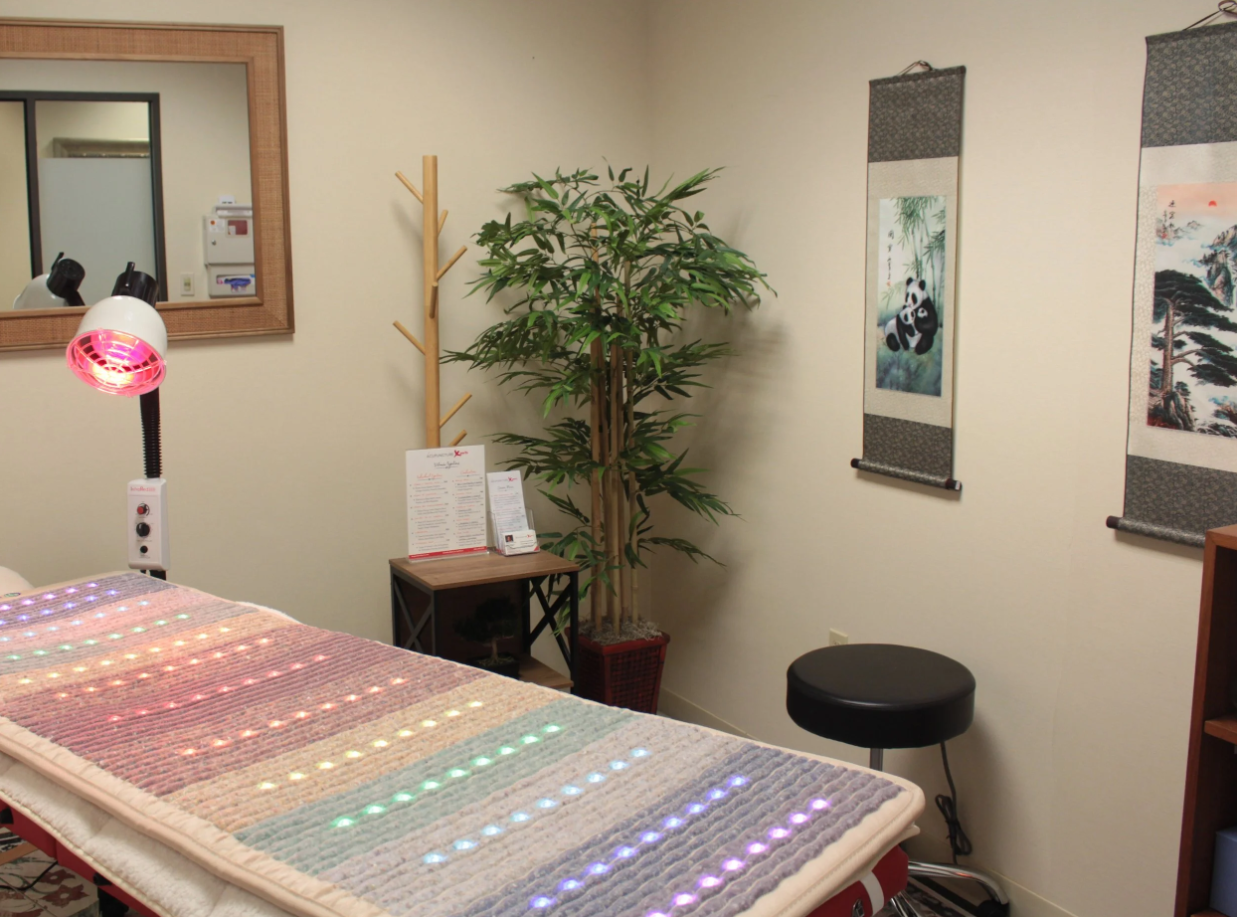
Ready to make sleep, dressing, and reaching more comfortable? A focused consultation can help you explore acupuncture alongside rehabilitation for practical shoulder goals.
Useful goals include sleeping more comfortably, dressing and reaching a shelf. Acupuncture may help pain while rehabilitation addresses the movement or strength problem.
If you are considering care in Boca Raton, bring your questions and current treatment plan to Acupuncture Xperts. We can discuss whether acupuncture fits your goals and how to assess its value for you.
Have questions or ready to begin? Contact our Boca Raton clinic to get started.
Serving Boca Raton, Delray Beach, Deerfield Beach, Highland Beach, Boynton Beach, Palm Beach County.
Explore Support for Shoulder Comfort
Book a visit and we’ll build a personalized plan together.