
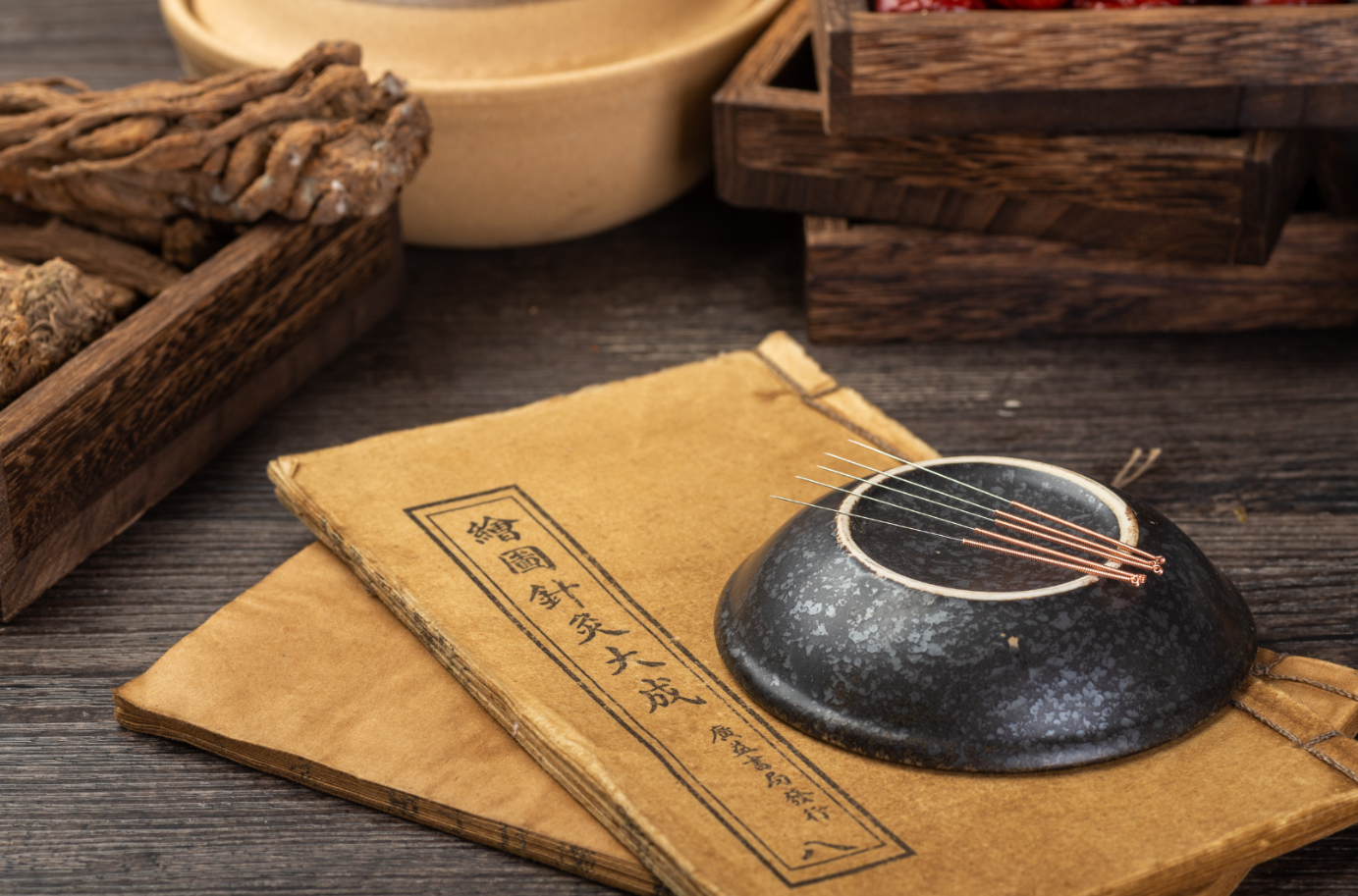
Acupuncture for Fibromyalgia
Acupuncture for Fibromyalgia in Boca Raton
Acupuncture treatment focuses on easing widespread pain and tension for more comfortable days and nights.
Clinical review pending · Content updated
What Is Fibromyalgia?
Fibromyalgia is a chronic widespread pain condition rooted in how the nervous system processes pain — a phenomenon called central sensitization, in which the “volume knob” on pain signaling is turned up. Unlike arthritis, it does not damage joints or tissues; the amplified pain is generated by the nervous system itself, which is why it can hurt nearly everywhere while tests look normal.
Symptoms can fluctuate without a new tissue injury. Sleep disorders, medication effects and other illnesses can also add to the burden, so treatment plans address those contributors and match flare intensity.
Personalized acupuncture treatment for fibromyalgia focuses on easing widespread pain and sensitivity so activity, sleep, and daily routines feel more manageable. Treatment intensity follows your symptom pattern, energy, and tolerance, with attention to muscle tension, unrefreshing sleep, and recovery after activity. Sessions are paced around the function and quality-of-life goals that matter to you.
Fibromyalgia involves widespread pain along with symptoms such as fatigue, unrefreshing sleep, and difficulty concentrating. At Acupuncture Xperts, treatment is adjusted to your sensitivity and goals for activity, sleep, daily function, and recovery between activities.
Because symptoms can fluctuate, care focuses on practical goals such as comfortable movement, steadier sleep, and participation in daily tasks. Acupuncture treatment is tailored to the day-to-day pattern and session response, with recovery time considered after appointments.
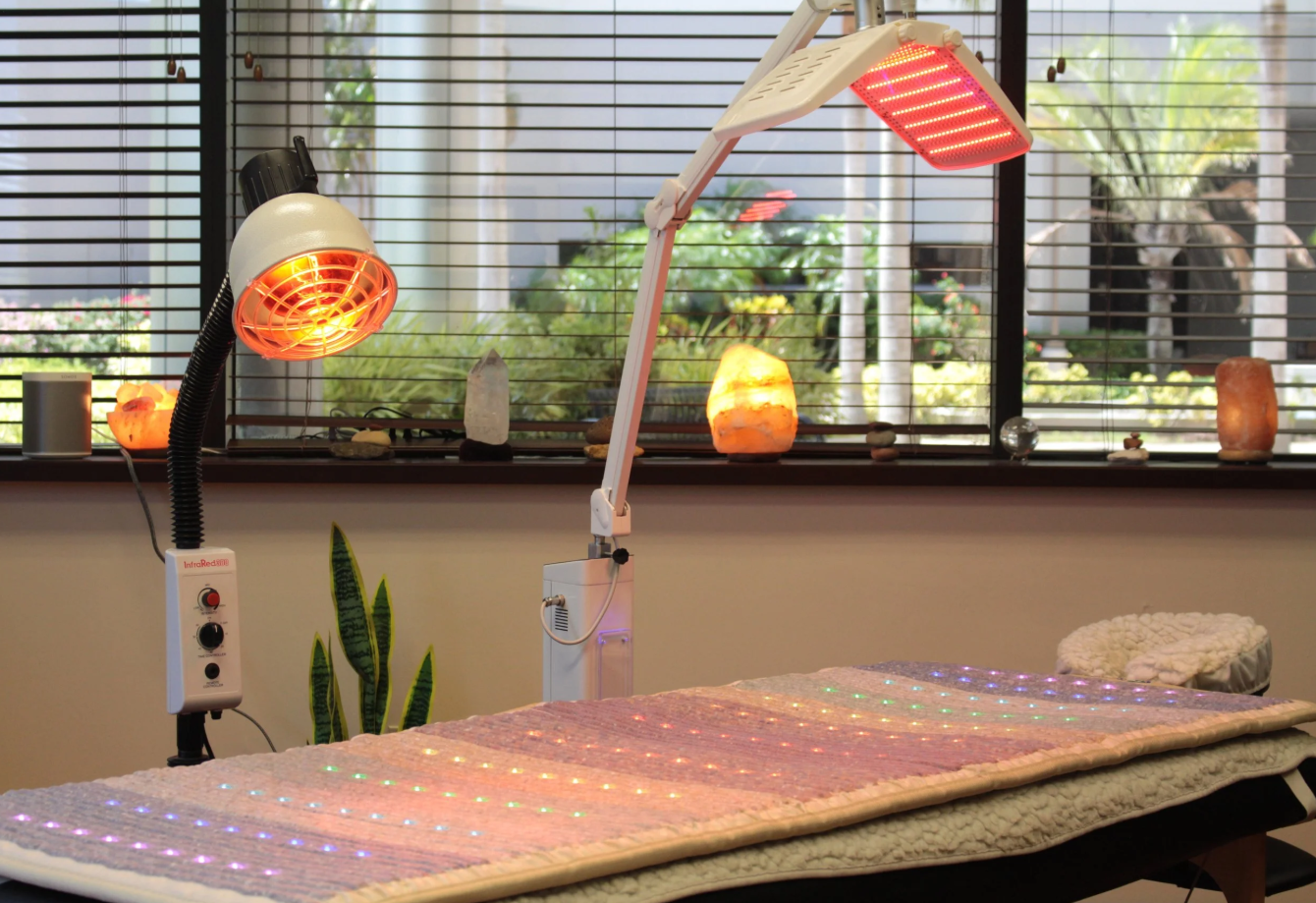
How acupuncture helps Fibromyalgia
- Easing widespread pain and muscle sensitivity
- Improving tolerance for daily activity
- Promoting steadier sleep
- Making recovery after activity more comfortable
Symptoms
- Widespread aching or burning pain on both sides of the body
- Persistent fatigue that rest does not fully relieve
- Waking unrefreshed even after a full night of sleep
- Difficulty concentrating or finding words (fibro fog)
- Heightened sensitivity to touch or pressure
- Morning stiffness
- Tension headaches or migraine attacks
- Digestive complaints such as irritable bowel symptoms
- Numbness or tingling in the hands and feet
- Sensitivity to light, noise, or temperature changes
- Low mood or anxiety
Risk Factors
- Female sex
- Middle age, though it can develop at any age
- Family history of fibromyalgia
- Rheumatic conditions such as lupus or rheumatoid arthritis
- A history of physical or emotional trauma
- Chronic sleep problems
- High or prolonged stress
- Sedentary lifestyle or deconditioning
- Anxiety or depression
- A previous serious infection or illness
When to Seek Professional Care
- Widespread pain has lasted more than three months
- Fatigue or unrefreshing sleep is affecting your daily function
- Brain fog is interfering with work or conversation
- Flares are becoming more frequent or more intense
- Medication alone is not providing enough relief
- You have widespread pain but no clear diagnosis yet
- Mood changes are developing alongside your physical symptoms
Common Causes
Central Sensitization
The core mechanism: the brain and spinal cord amplify pain signals, so input that would normally feel minor registers as significant pain across the body.
Genetics and Family History
Fibromyalgia clusters in families, and research suggests inherited differences in pain processing contribute to susceptibility.
Physical or Emotional Trauma
A car accident, surgery, serious illness, or period of intense emotional stress precedes symptom onset in many patients, apparently acting as a trigger in those predisposed.
Sleep Dysfunction
Non-restorative sleep is both a symptom and a driver — disrupted deep sleep worsens pain sensitivity, which further disrupts sleep, creating a cycle that treatment plans must address directly.
Stress and Nervous System Dysregulation
Chronic activation of the stress response is strongly linked to fibromyalgia, keeping the nervous system in a heightened, pain-amplifying state.
Infections and Illness Triggers
Certain infections and inflammatory illnesses appear capable of triggering or worsening fibromyalgia in susceptible individuals.
How We Help
Depending on your evaluation, your plan may draw on one or more of the following therapies, often beginning with Acupuncture.
Personalized acupuncture treatment for fibromyalgia focuses on more comfortable activity, steadier sleep, and recovery after a visit. Treatment intensity is adjusted to your symptom pattern and tolerance.
Acupuncture Xperts is located in Boca Raton, serving patients from nearby communities including Delray Beach and Deerfield Beach.
What the Research Says
Selected research and clinical references for fibromyalgia, with findings and links to the original publications.
Cochrane Review
Acupuncture for treating fibromyalgia
This Cochrane review found that overall results did not clearly favor acupuncture over sham for several fibromyalgia outcomes, although electro-acupuncture subgroups showed possible benefit. Small samples and limited follow-up weaken certainty.
Deare JC, et al. Acupuncture for treating fibromyalgia. Cochrane Database Syst Rev. 2013;(5):CD007070. View on PubMed →
Meta-Analysis
Acupuncture therapy for fibromyalgia: a systematic review and meta-analysis of randomized controlled trials
A later review of 12 trials favored acupuncture over sham for fibromyalgia pain and quality of life. Evidence was low to moderate quality, with substantial variation between studies. It does not establish a cure or a predictable individual response.
Zhang XC, et al. Acupuncture therapy for fibromyalgia: a systematic review and meta-analysis of randomized controlled trials. J Pain Res. 2019;12:527-542. View on PubMed →
Clinical Guideline
EULAR revised recommendations for the management of fibromyalgia
EULAR recommends education and an individualized approach to fibromyalgia. Exercise received the strongest therapy recommendation; other options had weaker support. Activity still needs to match the person’s capacity and symptoms rather than follow a compulsory progression.
Macfarlane GJ, et al. EULAR revised recommendations for the management of fibromyalgia. Ann Rheum Dis. 2017;76(2):318-328. View on PubMed →
Study populations, comparison treatments and techniques matter. The references describe research or medical guidance; they do not guarantee an individual result or replace your existing care.
These summaries are educational and describe published research; they are not a guarantee of individual results.
What to Expect
We focus on conservative, non-surgical, whole-person care aimed at addressing root contributors rather than only masking symptoms.
- 1
Initial Consultation
Care begins with a thorough conversation about your health history, lifestyle, and specific goals for addressing your fibromyalgia.
- 2
Evaluation
We assess the underlying contributors — movement, posture, muscular patterns, and overall wellness — to understand what may be driving your symptoms.
- 3
Personalized Treatment
Based on your evaluation, we build a customized plan that may combine several complementary therapies suited to your individual needs.
- 4
Supporting Recovery
Beyond in-office care, we offer guidance on movement, ergonomics, and lifestyle adjustments to help support lasting results.
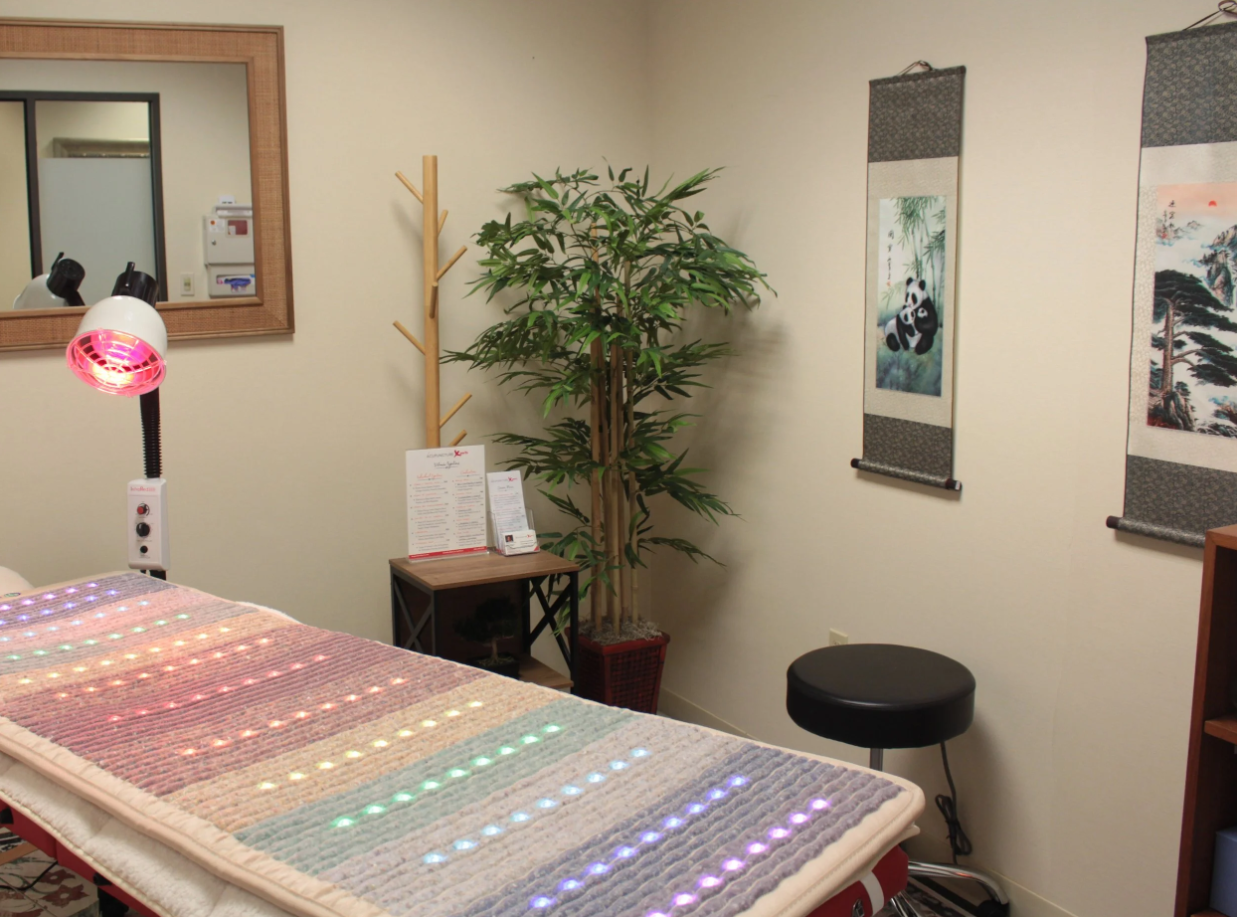
Start here
New Patient Visit · 75 minutes · $189
Includes a detailed medical history review, Chinese medicine assessment, physical and orthopedic exam, personalized care plan, and treatment with electro-acupuncture, cupping, PEMF and infrared light therapy.
Book Your First VisitPractical Self-Care
These options support everyday management of fibromyalgia. Choose those that fit your diagnosis, current symptoms and existing care plan; not every item is appropriate for every person.
Practical Self-Care
Choose a manageable activity baseline
How much: Use when relevant; follow your individual care plan
Show steps ▾Hide steps ▴
- Select an everyday activity that does not reliably cause a prolonged flare.
- Keep the initial amount comfortable and review your next-day response.
- Increase only when the current amount is sustainable.
Practical Self-Care
Break up demanding chores
How much: Use when relevant; follow your individual care plan
Show steps ▾Hide steps ▴
- Divide cleaning, shopping or desk work into smaller portions.
- Alternate demanding tasks with quieter ones.
- Avoid using a good day to make up all missed activity at once.
Practical Self-Care
Use gentle movement for comfort
How much: Use when relevant; follow your individual care plan
Show steps ▾Hide steps ▴
- Try a small comfortable movement while seated or supported.
- Keep breathing normally and stop before strain builds.
- The aim is tolerable movement, not a stretch target.
Practical Self-Care
Keep a sleep and symptom note
How much: Use when relevant; follow your individual care plan
Show steps ▾Hide steps ▴
- Record sleep disruption, pain and medication changes briefly.
- Look for patterns without checking symptoms continually.
- Discuss snoring, severe sleepiness or persistent insomnia with your clinician.
Practical Self-Care
Plan recovery after appointments
How much: Use when relevant; follow your individual care plan
Show steps ▾Hide steps ▴
- Leave room in the day to assess how you respond to treatment.
- Tell us if a visit causes a prolonged flare.
- Use that information to adjust intensity or reconsider the approach.
Stop any exercise that sharply increases pain, or causes numbness, tingling, or pain radiating into a limb, and consult a qualified provider. These general examples are educational and do not replace an individual evaluation.
Frequently Asked Questions
Reduce the demand and discuss the pattern with your clinician. A fixed weekly increase is not appropriate for everyone. Marked delayed worsening after minor exertion deserves particular attention.
Not necessarily. Touch sensitivity and fatigue can make a gentler approach more appropriate. Tell us about previous flare-ups after massage, needling or exercise so the visit can be adjusted.
Choose a few practical measures, such as time spent awake with pain or tolerance for a daily task. Review the overall pattern across visits, including any fatigue afterward, rather than relying only on immediate relaxation.
No. Our care is designed to complement — not replace — the medications and management plan from your physician or rheumatologist. Any medication changes should always go through your prescriber.
Yes — unambiguously. It is a recognized chronic pain condition with established diagnostic criteria and measurable changes in nervous system pain processing. If you have spent years being told it is all in your head, you will not hear that here.
We set practical goals at the outset and review symptoms, function, fatigue, and unwanted effects across visits. When progress is limited, we reassess the treatment approach before scheduling further sessions.
For a first acupuncture visit at Acupuncture Xperts, choose New Patient Acupuncture. Established acupuncture patients can choose Signature Acupuncture. Use the booking page to review other service options or contact the clinic if unsure.
Ready to work toward steadier sleep and more comfortable activity at a pace that respects your capacity? Start personalized acupuncture treatment for fibromyalgia in Boca Raton.
Acupuncture treatment focuses on widespread pain, sleep disruption, activity tolerance, and recovery after a visit, with intensity matched to your symptom pattern.
At Acupuncture Xperts, our team evaluates your symptoms and builds a focused plan for daily function and quality of life. We serve patients throughout Boca Raton, Delray Beach, Deerfield Beach, Highland Beach, Boynton Beach, Palm Beach County, and surrounding South Florida communities.
Have questions or ready to begin? Contact our Boca Raton clinic to get started.
Serving Boca Raton, Delray Beach, Deerfield Beach, Highland Beach, Boynton Beach, Palm Beach County.
Acupuncture Treatment for Fibromyalgia
Book a visit and we’ll build a personalized plan together.