
Acupuncture for TMJ Pain
Acupuncture for TMJ Pain in Boca Raton
Acupuncture may support less jaw-muscle pain and more comfortable eating for some people, while dental evaluation guides care.
Clinical review pending · Content updated
What Are TMJ Disorders?
The temporomandibular joints connect the jaw to the skull just in front of each ear, and a group of muscles controls chewing and jaw movement. A TMJ disorder can involve the joint itself, the surrounding muscles, or both.
Clicking alone is different from a painful locked jaw. Clenching, chewing and stress may influence symptoms, but they are not a diagnosis by themselves. Avoid assuming that all ear or facial pain originates in the temporomandibular joint.
Acupuncture may support less jaw-muscle pain and more comfortable eating for some people, while dental evaluation guides care.
Jaw pain may involve chewing muscles, the jaw joint or both. Acupuncture Xperts can discuss symptom-focused care while dental evaluation addresses tooth problems, bite concerns and other causes of facial pain.
Common Causes
Clenching and Grinding
Daytime clenching and nighttime grinding (bruxism) overload the jaw muscles and joint — a leading contributor to TMD.
Stress
Stress commonly increases jaw clenching and muscle tension, feeding the problem.
Jaw Muscle Overuse
Excessive gum chewing, very chewy foods, or wide yawning can strain the jaw muscles.
Malocclusion or Bite Issues
How the teeth meet can, in some cases, contribute to uneven jaw-muscle load.
Trauma
A blow to the jaw or whiplash-type injury can affect the joint and its muscles.
Joint Changes
Displacement of the joint’s cushioning disc or arthritis of the joint can cause clicking and restricted movement.
Symptoms
- Jaw pain or tenderness
- Clicking, popping, or grinding with jaw movement
- Difficulty or discomfort opening wide
- Jaw locking or catching
- Aching around the ear
- Headaches, especially at the temples
- Facial or cheek muscle tightness
- Neck and shoulder tension
Risk Factors
- Teeth clenching or grinding
- High stress levels
- Frequent gum chewing
- Prior jaw or neck injury
- Poor sleep
- Bite or dental issues
How We Help
Depending on your evaluation, your plan may draw on one or more of the following therapies, often beginning with Acupuncture or Neuromuscular Therapy.
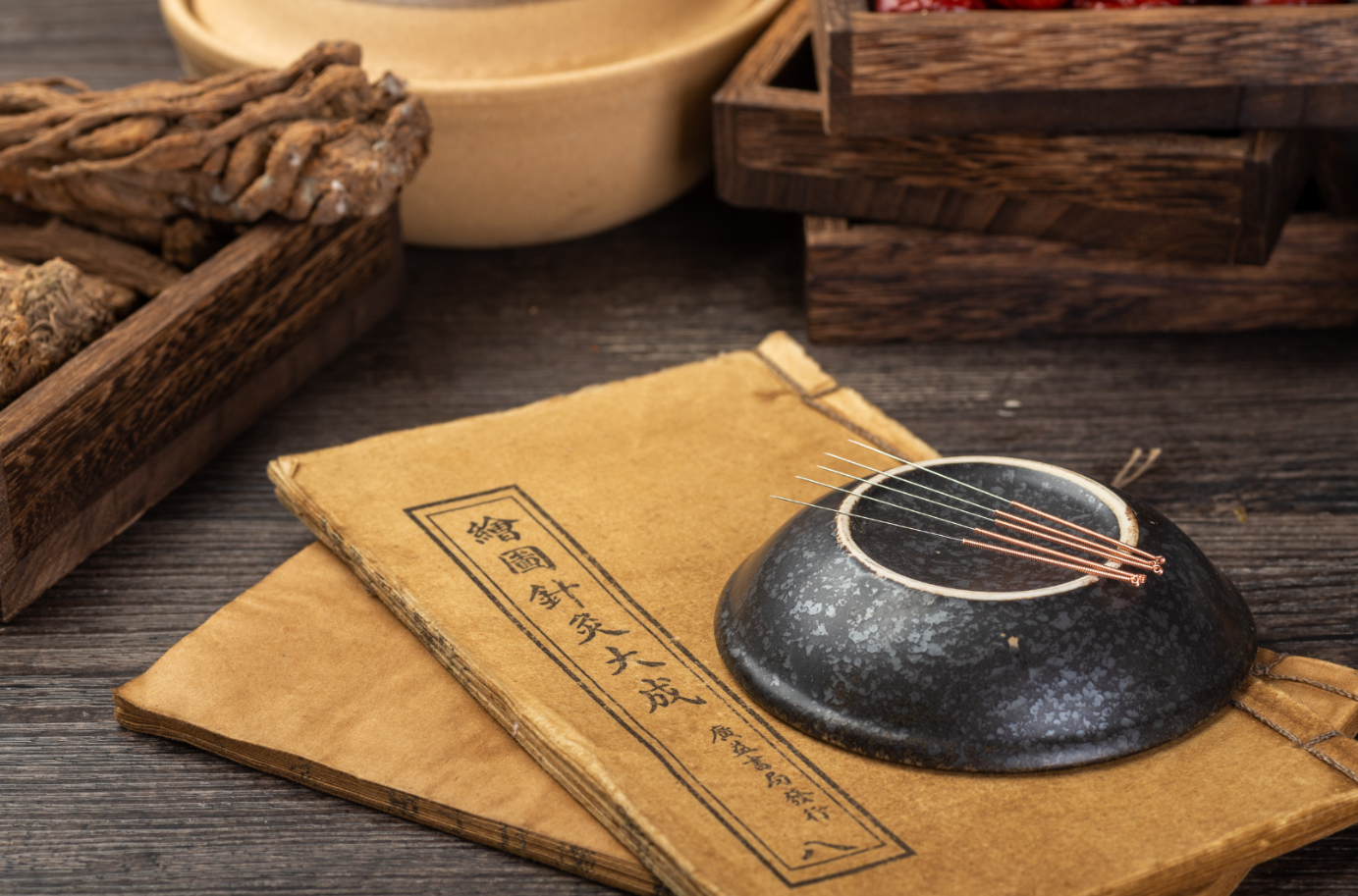
Acupuncture may ease jaw-muscle pain and support more comfortable eating. Useful goals include more comfortable eating and less jaw-muscle pain. Treatment should not be presented as a permanent change to the bite or jaw structure.
- Discuss the symptoms and daily activities you want to improve
- Review the evidence in the context of your diagnosis and current care
- Reassess benefit and tolerance before continuing
Neuromuscular Therapy may help ease related muscle tension and support comfortable movement or rest when appropriate. Where muscle tension is part of the problem, neuromuscular massage may be discussed within Bodywork. Pressure and positioning are selected for comfort and any injury restrictions; hands-on care does not repair a disc, tendon or joint.
Gua Sha may offer local soft-tissue comfort when the area and skin are suitable. Gua Sha is a Bodywork option for selected soft-tissue concerns. It is considered after reviewing skin condition, bruising risk and the area involved, rather than applied automatically to a painful site.
Acupuncture Xperts is located in Boca Raton, serving patients from nearby communities including Delray Beach and Deerfield Beach.
What the Research Says
These references help put acupuncture for tmj pain in context. Where evidence is indirect or a reference concerns standard medical care, that distinction is stated in the summary.
Systematic Review
Acupuncture for temporomandibular disorders: a systematic review
This older review found possible symptom benefit for temporomandibular disorders across several small comparisons. Larger trials with longer follow-up were needed. It concerns symptoms, not permanent correction of the bite or jaw structure.
Cho SH, Whang WW. Acupuncture for temporomandibular disorders: a systematic review. J Orofac Pain. 2010;24(2):152-162. View on PubMed →
Meta-Analysis
Is acupuncture an effective treatment for temporomandibular disorder?: A systematic review and meta-analysis of randomized controlled trials
A newer TMD review favored acupuncture in some comparisons and as an add-on, but graded the evidence low or very low. Long-term effectiveness and the most suitable patient groups remain uncertain.
Park EY, Cho JH, Lee SH, Kim KW, Ha IH, Lee YJ. Is acupuncture an effective treatment for temporomandibular disorder?: A systematic review and meta-analysis of randomized controlled trials. Medicine (Baltimore). 2023;102(38):e34950. View on PubMed →
Study populations, comparison treatments and techniques matter. The references describe research or medical guidance; they do not guarantee an individual result or replace your existing care.
These summaries are educational and describe published research; they are not a guarantee of individual results.
Movement & Self-Care
These options support everyday management of tmj disorders. Choose those that fit your diagnosis, current symptoms and existing care plan; not every item is appropriate for every person.
Unload
Jaw Rest & "Lips Together, Teeth Apart"
- Through the day, keep your teeth slightly apart with lips gently closed and the tongue resting lightly behind the top teeth.
- This is the jaw’s natural resting position and stops all-day clenching.
- Place small reminder notes where you sit to build the habit.
How much: Ongoing awareness throughout the day
Use only if cleared for your condition. Stop for sharp pain, new numbness, weakness or a lasting flare.
Mobility
Controlled Jaw Opening
- Rest the tip of your tongue on the roof of your mouth.
- Slowly open the jaw straight down as far as is comfortable while keeping the tongue in place, then slowly close.
- Keep the movement smooth and symmetrical — avoid clicking or deviating to one side.
How much: 5–10 slow reps, 2–3 times daily
Keep it pain-free; stop if it causes clicking, locking, or sharp pain.
Release
Warmth & Self-Massage
- Apply a warm compress to the jaw and cheek muscles for a few minutes.
- Gently massage the muscles at the angle of the jaw and the temples in small circles.
- Use light, comfortable pressure.
How much: 5 minutes, once or twice daily
Use only if cleared for your condition. Stop for sharp pain, new numbness, weakness or a lasting flare.
Protect
Soft Diet & Habit Awareness
- During flare-ups, favor softer foods and cut items into smaller pieces.
- Avoid gum, very chewy foods, wide yawning, and resting your chin on your hand.
- Notice and ease daytime clenching, which often tracks with stress.
How much: During symptomatic periods
Use only if cleared for your condition. Stop for sharp pain, new numbness, weakness or a lasting flare.
Practical Self-Care
Keep a clenching and meal note
- Record whether symptoms follow chewing, waking or daytime clenching.
- Avoid repeatedly testing a painful click.
- Bring locking, reduced opening or dental symptoms to professional assessment.
How much: Use when relevant; follow your individual care plan
Use only if cleared for your condition. Stop for sharp pain, new numbness, weakness or a lasting flare.
Stop any exercise that sharply increases pain, or causes numbness, tingling, or pain radiating into a limb, and consult a qualified provider. These general examples are educational and do not replace an individual evaluation.

Explore Jaw Pain Support
Personalized, non-surgical care from Dr. Winke and the Acupuncture Xperts team.
What to Expect
Your Care Journey
- 01
Initial Consultation
Care begins with a thorough conversation about your health history, lifestyle, and specific goals for addressing your tmj disorders.
- 02
Evaluation
We assess the underlying contributors — movement, posture, muscular patterns, and overall wellness — to understand what may be driving your symptoms.
- 03
Personalized Treatment
Based on your evaluation, we build a customized plan that may combine several complementary therapies suited to your individual needs.
- 04
Supporting Recovery
Beyond in-office care, we offer guidance on movement, ergonomics, and lifestyle adjustments to help support lasting results.
- 05
Our Approach
We focus on conservative, non-surgical, whole-person care aimed at addressing root contributors rather than only masking symptoms.
- 06
Why Patients Choose Us
Patients throughout South Florida choose Acupuncture Xperts for our individualized, integrative approach and our commitment to long-term wellness.
Frequently Asked Questions
That decision belongs with a dental professional after assessment. Do not pursue irreversible bite changes based only on a general explanation of TMJ pain.
Painless clicking does not necessarily require treatment. Pain, reduced opening, locking or a change after injury warrants evaluation.
No. Keep movement gentle and avoid forcing the mouth open. Stop a technique that increases pain or locking, and ask your dentist or treating clinician for guidance.
Stress is a major contributor for many people because it increases clenching and jaw-muscle tension. That is one reason a calming, muscle-focused approach can help — though bite issues, joint problems, and grinding can also play a role.
Often yes. We focus on the muscular and tension side; your dentist can assess your bite, screen for grinding, and provide a night guard if appropriate. We are glad for care to be coordinated.
Rest the jaw ("lips together, teeth apart"), favor softer foods during flare-ups, apply warmth, and notice daytime clenching. The self-care section above walks through these.
We agree on practical goals and review the overall response, including any unwanted effects. Lack of meaningful benefit is a reason to reassess the approach, rather than automatically extend treatment or require a package.
For a first acupuncture visit at Acupuncture Xperts, choose New Patient Acupuncture. Established acupuncture patients can choose Signature Acupuncture. Use the booking page to review other service options or contact the clinic if unsure.
When to Seek Professional Care
- The jaw locks open or closed
- You cannot open or close your mouth normally
- Jaw pain is severe or worsening
- Symptoms persist despite self-care
- Pain followed a jaw injury
- Chewing or speaking is significantly affected
If jaw pain is getting in the way of eating or speaking comfortably, schedule a visit in Boca Raton to discuss supportive next steps.
Useful goals include more comfortable eating and less jaw-muscle pain. Treatment should not be presented as a permanent change to the bite or jaw structure.
If you are considering care in Boca Raton, bring your questions and current treatment plan to Acupuncture Xperts. We can discuss whether acupuncture fits your goals and how to assess its value for you.
Have questions or ready to begin? Contact our Boca Raton clinic to get started.
Serving Boca Raton, Delray Beach, Deerfield Beach, Coral Springs, Boynton Beach, Palm Beach County.
Explore Jaw Pain Support
Book a visit and we’ll build a personalized plan together.