
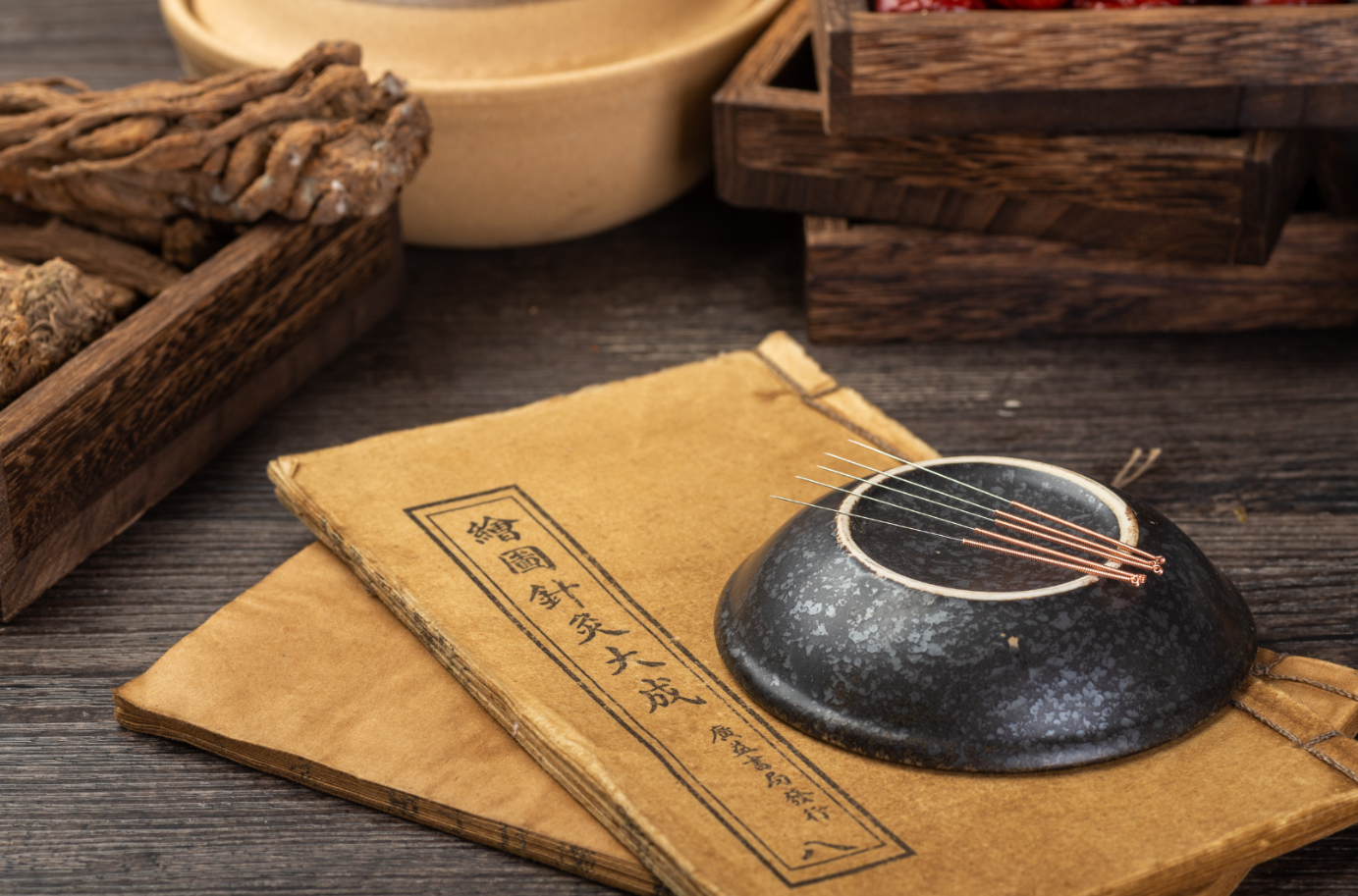
Acupuncture for Rotator Cuff Pain
Acupuncture for Rotator Cuff Pain in Boca Raton
Acupuncture may help reduce shoulder pain and support comfortable movement as part of diagnosis-specific rotator-cuff rehabilitation.
Clinical review pending · Content updated
What Is Rotator Cuff Injury?
The rotator cuff is formed by four muscles whose tendons wrap the top of the upper-arm bone, holding it centered in the shoulder socket. Problems range from tendinitis (irritation) and impingement (pinching of the tendon under the bony arch) to partial- or full-thickness tears.
This page focuses on rotator-cuff-related symptoms. Research on shoulder impingement or general shoulder pain does not show that acupuncture repairs a full-thickness tear. Sudden weakness after an injury needs assessment before a strengthening program.
Acupuncture may help reduce shoulder pain and support comfortable movement as part of diagnosis-specific rotator-cuff rehabilitation.
The rotator cuff helps lift and stabilize the shoulder. Tendon irritation and a tendon tear can cause similar pain, but they may require different rehabilitation or orthopedic decisions.
Common Causes
Repetitive Overhead Use
Sports, trades, and activities that repeatedly raise the arm can irritate the cuff tendons over time.
Impingement
Pinching of the tendon and bursa under the bony arch of the shoulder, often related to posture and mechanics.
Acute Injury
A fall, heavy lift, or sudden force can strain or tear the cuff.
Age-Related Tendon Changes
Tendons lose some strength and blood supply with age, raising the risk of tears.
Weak Scapular Control
Poor shoulder-blade stability increases strain on the rotator-cuff tendons.
Posture
Rounded-shoulder posture can narrow the space the tendon passes through.
Symptoms
- Pain on the outer shoulder and upper arm
- Pain with reaching overhead or behind the back
- Difficulty sleeping on the affected side
- Weakness when lifting or rotating the arm
- A catching or painful arc of movement
- Aching that lingers after activity
- Difficulty with tasks like fastening a seatbelt or reaching a shelf
Risk Factors
- Repetitive overhead activity or sport
- Age over 40
- Manual or overhead occupations
- Prior shoulder injury
- Weak shoulder-blade control
- Rounded-shoulder posture
How We Help
Depending on your evaluation, your plan may draw on one or more of the following therapies, often beginning with Acupuncture or Neuromuscular Therapy.
Acupuncture may ease shoulder pain and support comfortable movement within rehabilitation. Acupuncture Xperts may help address pain within a broader plan. Restoring loading tolerance and deciding whether surgery is appropriate remain diagnosis-specific tasks.
- Discuss the symptoms and daily activities you want to improve
- Review the evidence in the context of your diagnosis and current care
- Reassess benefit and tolerance before continuing
Neuromuscular Therapy may help ease related muscle tension and support comfortable movement or rest when appropriate. Where muscle tension is part of the problem, neuromuscular massage may be discussed within Bodywork. Pressure and positioning are selected for comfort and any injury restrictions; hands-on care does not repair a disc, tendon or joint.
Gua Sha may offer local soft-tissue comfort when the area and skin are suitable. Gua Sha is a Bodywork option for selected soft-tissue concerns. It is considered after reviewing skin condition, bruising risk and the area involved, rather than applied automatically to a painful site.
Cupping may support short-term comfort for surrounding muscle tension when suitable. Fire and/or vacuum cupping may be considered for surrounding muscle tension when suitable. It is a separate service option, not a requirement for treatment or a method of repairing the underlying injury.
Acupuncture Xperts is located in Boca Raton, serving patients from nearby communities including Delray Beach and Deerfield Beach.
What the Research Says
These references help put acupuncture for rotator cuff pain in context. Where evidence is indirect or a reference concerns standard medical care, that distinction is stated in the summary.
Meta-Analysis
Effects of acupuncture on shoulder impingement syndrome: A systematic review and meta-analysis
Five trials suggested improvements in shoulder-impingement pain and function. Small samples and differing methods limit confidence. These findings do not establish repair of a rotator cuff tear.
An SJ, Shin WC, Joo S, et al. Effects of acupuncture on shoulder impingement syndrome: A systematic review and meta-analysis. Medicine (Baltimore). 2024;103(37):e39696. View on PubMed →
Cochrane Review
Acupuncture for shoulder pain
This older Cochrane review found too few sufficiently comparable trials to draw firm conclusions for shoulder pain. Some short-term improvements were reported, but evidence did not establish a durable benefit across shoulder diagnoses.
Green S, Buchbinder R, Hetrick SE. Acupuncture for shoulder pain. Cochrane Database Syst Rev. 2005;(2):CD005319. View on PubMed →
Study populations, comparison treatments and techniques matter. The references describe research or medical guidance; they do not guarantee an individual result or replace your existing care.
These summaries are educational and describe published research; they are not a guarantee of individual results.
Movement & Self-Care
These options support everyday management of rotator cuff injury. Choose those that fit your diagnosis, current symptoms and existing care plan; not every item is appropriate for every person.
Mobility
Pendulum Swings
- Lean forward, supporting yourself with the good arm, and let the affected arm hang.
- Gently swing it in small circles and back-and-forth using your body, not the shoulder.
- Keep it relaxed and pain-free.
How much: 1–2 minutes, once or twice daily
Use only if cleared for your condition. Stop for sharp pain, new numbness, weakness or a lasting flare.
Strength
Banded External Rotation
- Anchor a light resistance band at waist height; hold it with the affected hand, elbow bent 90° and tucked to your side.
- Keeping the elbow pinned to your ribs, slowly rotate the forearm outward, away from your stomach.
- Return slowly with control.
How much: 2 sets of 10–15, once daily
Keep it pain-free; a small rolled towel between elbow and ribs helps keep good form.
Stability
Scapular Squeezes (Rows)
- With a light band anchored in front of you, pull your elbows back, squeezing the shoulder blades together and down.
- Avoid shrugging the shoulders up toward the ears.
- Pause briefly at the squeeze, then release slowly.
How much: 2 sets of 10–12, once daily
Use only if cleared for your condition. Stop for sharp pain, new numbness, weakness or a lasting flare.
Range
Wall Slides / Assisted Elevation
- Facing a wall, rest the forearms on it and slide them slowly upward as far as is comfortable.
- Let the shoulder blades rotate naturally; keep it smooth.
- Lower with control.
How much: 8–10 reps, once or twice daily
Use only if cleared for your condition. Stop for sharp pain, new numbness, weakness or a lasting flare.
Practical Self-Care
Reduce painful overhead repetition
- Move repeated tasks to a comfortable height during a flare.
- Keep strengthening within your prescribed plan.
- Sudden weakness after injury needs review before adding resistance.
How much: Use when relevant; follow your individual care plan
Use only if cleared for your condition. Stop for sharp pain, new numbness, weakness or a lasting flare.
Stop any exercise that sharply increases pain, or causes numbness, tingling, or pain radiating into a limb, and consult a qualified provider. These general examples are educational and do not replace an individual evaluation.

Explore Rotator Cuff Pain Support
Personalized, non-surgical care from Dr. Winke and the Acupuncture Xperts team.
What to Expect
Your Care Journey
- 01
Initial Consultation
Care begins with a thorough conversation about your health history, lifestyle, and specific goals for addressing your rotator cuff injury.
- 02
Evaluation
We assess the underlying contributors — movement, posture, muscular patterns, and overall wellness — to understand what may be driving your symptoms.
- 03
Personalized Treatment
Based on your evaluation, we build a customized plan that may combine several complementary therapies suited to your individual needs.
- 04
Supporting Recovery
Beyond in-office care, we offer guidance on movement, ergonomics, and lifestyle adjustments to help support lasting results.
- 05
Our Approach
We focus on conservative, non-surgical, whole-person care aimed at addressing root contributors rather than only masking symptoms.
- 06
Why Patients Choose Us
Patients throughout South Florida choose Acupuncture Xperts for our individualized, integrative approach and our commitment to long-term wellness.
Frequently Asked Questions
It has not been established as a way to repair a rotator cuff tear. Pain relief may make daily activity easier, but it does not demonstrate structural healing.
Not after every injury. A new tear, major weakness or recent surgery can require restrictions. Use exercises selected for your diagnosis and stage of recovery.
The shoulder overview explains several possible causes. This page addresses tendon-related pain and its rehabilitation questions; frozen shoulder is a separate stiffness condition.
Tendinitis and impingement usually cause pain and a painful arc of motion, while significant tears often cause weakness (trouble lifting or holding the arm out). A clinical exam — and imaging when needed — helps distinguish them; true full-thickness tears may need surgical evaluation.
Lying on the shoulder compresses the irritated tendon and bursa, and there is less distraction from pain — a very common pattern with rotator-cuff problems.
Many rotator-cuff problems — especially impingement and tendinopathy — improve with conservative care and rehabilitation. Large or full-thickness tears, or cases that fail to improve, are where surgical evaluation becomes appropriate.
We agree on practical goals and review the overall response, including any unwanted effects. Lack of meaningful benefit is a reason to reassess the approach, rather than automatically extend treatment or require a package.
For a first acupuncture visit at Acupuncture Xperts, choose New Patient Acupuncture. Established acupuncture patients can choose Signature Acupuncture. Use the booking page to review other service options or contact the clinic if unsure.
When to Seek Professional Care
- You cannot lift or hold the arm out from your side
- Shoulder weakness came on suddenly after an injury
- Pain is severe or steadily worsening
- Night pain is significantly disrupting sleep
- There is little improvement with conservative care
- You have numbness or tingling down the arm
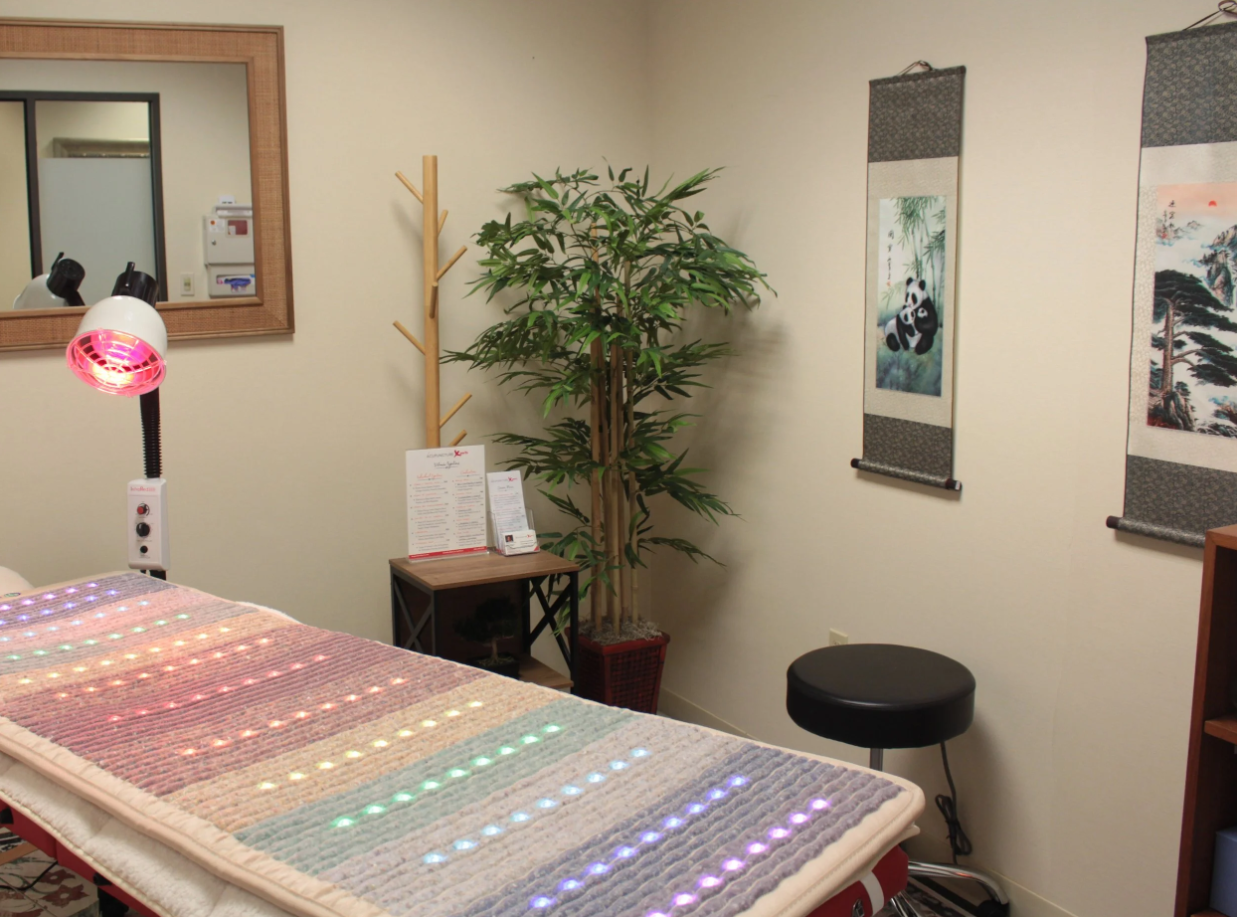
If shoulder pain is slowing the activities you enjoy, schedule a visit in Boca Raton to discuss supportive care within your rehabilitation plan.
Acupuncture Xperts may help address pain within a broader plan. Restoring loading tolerance and deciding whether surgery is appropriate remain diagnosis-specific tasks.
If you are considering care in Boca Raton, bring your questions and current treatment plan to Acupuncture Xperts. We can discuss whether acupuncture fits your goals and how to assess its value for you.
Have questions or ready to begin? Contact our Boca Raton clinic to get started.
Serving Boca Raton, Deerfield Beach, Pompano Beach, Parkland, Delray Beach, Palm Beach County.
Explore Rotator Cuff Pain Support
Book a visit and we’ll build a personalized plan together.