
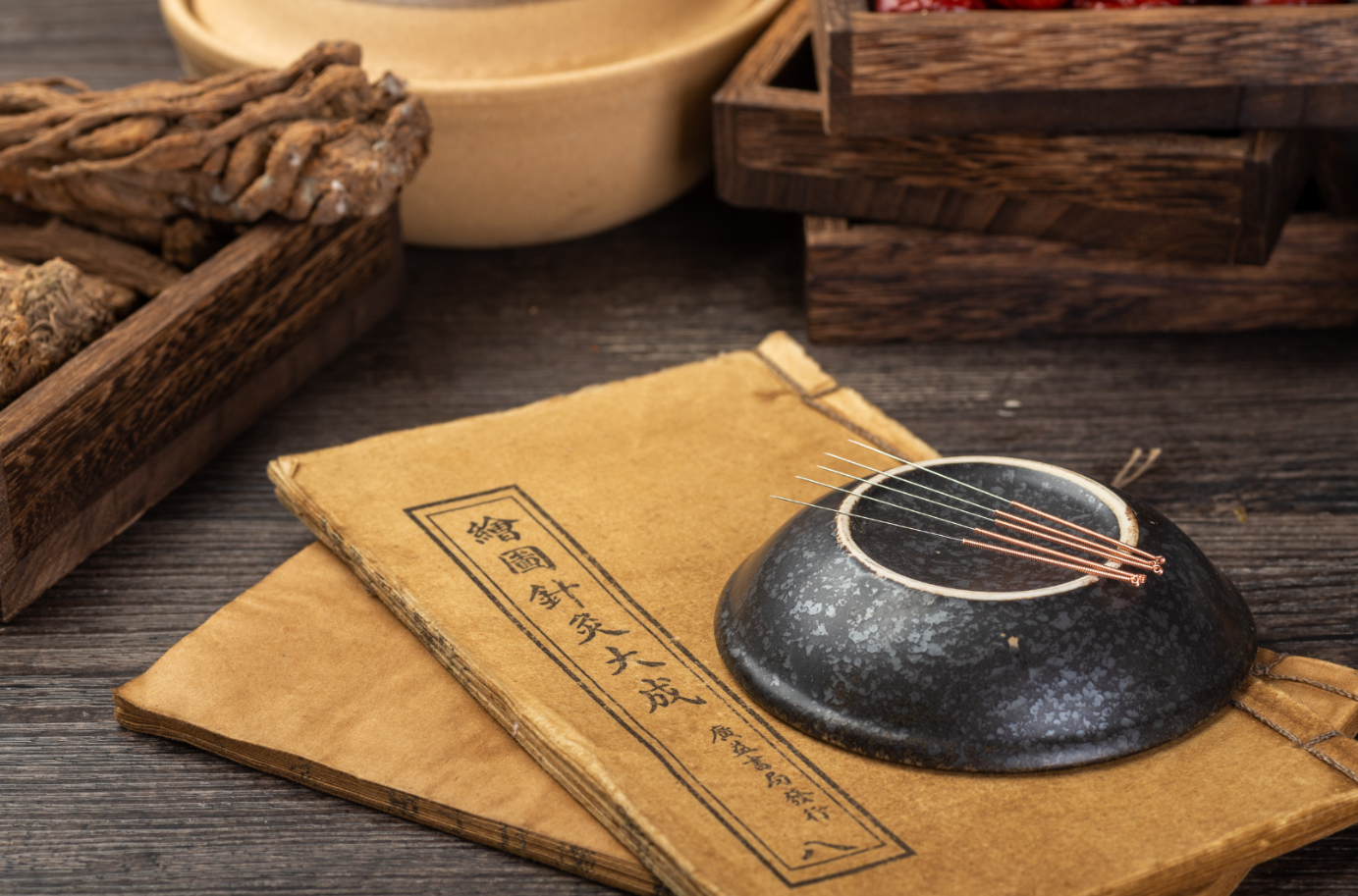
Acupuncture for Sports Injuries
Acupuncture for Sports Injuries in Boca Raton
Acupuncture targets injury-related pain and muscle tension to support comfortable movement during recovery.
Clinical review pending · Content updated
What Are Sports Injuries?
A sports injury is damage to muscle, tendon, ligament, or joint tissue caused by athletic activity. Injuries fall into two broad groups: acute injuries from a single event (a sprain, strain, or tear) and overuse injuries that develop gradually from repetitive load without enough recovery.
Acupuncture treatment for sports-injury soreness is built around comfortable movement, tissue tolerance and a measured return to activity. Individualized point selection addresses pain patterns and surrounding muscular tension. Each visit connects symptom relief with the sport-specific movement, sleep and recovery goals that keep training and rehabilitation moving forward.
Sports injuries range from acute sprains and strains to overuse problems that build under repetitive load. Treatment is shaped by the injury history, current restrictions and the activity you want to resume. Visits pair symptom-focused acupuncture with practical goals such as easier warm-ups, more comfortable daily movement, steadier sleep and a gradual return to drills, lifting or play.
Common Causes
Acute Trauma
A sudden force — a fall, collision, awkward landing, or rapid change of direction — that strains or tears tissue in a single moment.
Overuse and Repetitive Load
The same motion repeated over weeks or months (running, throwing, swinging) without enough recovery, gradually irritating tendon or joint tissue.
Insufficient Warm-Up
Loading cold, under-prepared tissue increases the risk of strains and pulls at the start of activity.
Training Errors
Ramping up volume, intensity, or a new activity too quickly, outpacing the body’s ability to adapt.
Muscle Imbalance or Weakness
Weak or under-conditioned supporting muscles place extra strain on the tissues doing the work.
Prior Injury
An incompletely rehabilitated old injury often sets the stage for a new one in the same or a compensating area.
Symptoms
- Sharp or aching pain at the site of injury
- Swelling or bruising
- Reduced strength in the affected area
- Limited or painful range of motion
- Stiffness, especially after rest
- A sense of instability or "giving way"
- Pain that worsens with the sport-specific movement
- Tenderness directly over the injured tissue
Risk Factors
- High training volume or intensity
- Rapid increases in load
- Inadequate warm-up or recovery
- Previous injuries
- Muscle weakness or imbalance
- Poor technique or equipment
- Playing through fatigue
How We Help
Depending on your evaluation, your plan may draw on one or more of the following therapies, often beginning with Acupuncture or Neuromuscular Therapy.
Acupuncture treatment for post-exercise soreness focuses on comfortable movement and a measured return to activity. Treatment is tailored to your sport, injury stage and rehabilitation goals.
- Less post-exercise soreness
- More comfortable movement during a measured return to activity
- Personalized care for your sport and rehabilitation goals
Neuromuscular Therapy treatment for related muscle tension, focused on comfortable movement and rest. Pressure and positioning are tailored to the treatment area, skin condition and current activity restrictions.
Gua Sha treatment for selected soft-tissue tension, focused on local comfort and easier movement. Treatment is chosen after reviewing skin condition, bruising risk and the area involved.
Cupping treatment for surrounding muscle tension, focused on short-term comfort and easier movement. Fire or vacuum cupping is selected after reviewing skin condition, sensitivity and the area involved.
Acupuncture Xperts is located in Boca Raton, serving patients from nearby communities including Delray Beach and Deerfield Beach.
What the Research Says
Selected research and clinical references for sports injuries, with findings and links to the original publications.
Meta-Analysis
Does Acupuncture Benefit Delayed-Onset Muscle Soreness After Strenuous Exercise? A Systematic Review and Meta-Analysis
Six trials suggested reduced delayed-onset muscle soreness after strenuous exercise. This is evidence about post-exercise soreness, not proof that acupuncture accelerates healing of ligament or tendon injuries or clears an athlete to return to play.
Huang C, Wang Z, Xu X, Hu S, Zhu R, Chen X. Does Acupuncture Benefit Delayed-Onset Muscle Soreness After Strenuous Exercise? A Systematic Review and Meta-Analysis. Front Physiol. 2020;11:666. View on PubMed →
Systematic Review
Use of Acupuncture for the Treatment of Sports-Related Injuries in Athletes: A Systematic Review of Case Reports
This review describes sports-injury case reports and series. Those observations can suggest research questions but cannot reliably establish effectiveness, faster tissue healing or superiority to rehabilitation.
Lee JW, Lee JH, Kim SY. Use of Acupuncture for the Treatment of Sports-Related Injuries in Athletes: A Systematic Review of Case Reports. Int J Environ Res Public Health. 2020;17(21):8226. View on PubMed →
Study populations, comparison treatments and techniques matter. The references describe research or medical guidance; they do not guarantee an individual result or replace your existing care.
These summaries are educational and describe published research; they are not a guarantee of individual results.
Movement & Self-Care
The appropriate return to movement depends on the injury and its stage of healing. Follow any protection or weight-bearing restrictions first. Acupuncture-related pain relief is not clearance to increase training.
Early Recovery
Relative Rest & Gentle Range of Motion
- For the first days after an acute injury, avoid the specific movement that provoked it, but keep the joint gently moving within a comfortable, pain-free range.
- Move the area slowly through its available range several times a day to discourage stiffness.
- Stop short of any sharp or pinching pain — comfortable motion only.
How much: 5–10 gentle reps, 2–3 times daily
If you cannot bear weight, the joint gives way, or there is significant swelling or deformity, get it evaluated before exercising.
Rebuild
Progressive Loading
- Reintroduce the cleared activity at a manageable level.
- Assess symptoms during activity and over the following day.
- Adjust the next session with your clinician if pain, swelling or function worsens.
How much: Use the progression agreed with your rehabilitation clinician
Sharp pain, swelling, or next-day flare-ups mean you have progressed too fast — step back a level.
Prevention
Dynamic Warm-Up
- Before training, spend 5–10 minutes on active movements that mimic your sport — leg swings, arm circles, lunges, gentle sport-specific drills.
- Build gradually from easy to closer-to-game intensity.
- Save long static stretches for after activity, when muscles are warm.
How much: 5–10 minutes before every session
Use only if cleared for your condition. Stop for sharp pain, new numbness, weakness or a lasting flare.
Practical Self-Care
Keep a training-response record
- Record the activity, load and response later that day and the next morning.
- Share a persistent flare with your rehabilitation clinician.
- Do not use immediate pain relief as clearance to compete.
How much: Use when relevant; follow your individual care plan
Use only if cleared for your condition. Stop for sharp pain, new numbness, weakness or a lasting flare.
Practical Self-Care
Rehearse the return-to-sport plan
- Ask which movement, strength and control milestones apply to your injury.
- Reintroduce tasks in the agreed order.
- Keep protection or bracing instructions until your clinician changes them.
How much: Use when relevant; follow your individual care plan
Use only if cleared for your condition. Stop for sharp pain, new numbness, weakness or a lasting flare.
Stop any exercise that sharply increases pain, or causes numbness, tingling, or pain radiating into a limb, and consult a qualified provider. These general examples are educational and do not replace an individual evaluation.

Acupuncture Treatment for Sports-Injury Soreness
Personalized, non-surgical care from Dr. Winke and the Acupuncture Xperts team.
What to Expect
Your Care Journey
- 01
Initial Consultation
Care begins with a thorough conversation about your health history, lifestyle, and specific goals for addressing your sports injuries.
- 02
Evaluation
We assess the underlying contributors — movement, posture, muscular patterns, and overall wellness — to understand what may be driving your symptoms.
- 03
Personalized Treatment
Based on your evaluation, we build a customized plan that may combine several complementary therapies suited to your individual needs.
- 04
Supporting Recovery
Beyond in-office care, we offer guidance on movement, ergonomics, and lifestyle adjustments to help support lasting results.
- 05
Our Approach
We focus on conservative, non-surgical, whole-person care aimed at addressing root contributors rather than only masking symptoms.
- 06
Why Patients Choose Us
Patients throughout South Florida choose Acupuncture Xperts for our individualized, integrative approach and our commitment to long-term wellness.
Frequently Asked Questions
Not necessarily. Pain may settle before strength, balance or tissue capacity recovers. Use the return-to-play criteria set by your treating clinician rather than testing an injury at full intensity after acupuncture.
No single percentage suits every injury. Adjust volume, intensity and recovery according to the tissue involved, the stage of healing and your response during and after activity.
Bring the sport or activity involved, how the injury happened, current rehabilitation instructions and any restrictions. Note whether the same movement produces symptoms each time.
Usually not. For most soft-tissue injuries, a short period of relative rest followed by a graded return to movement recovers better than prolonged complete rest. The exception is a significant injury that needs evaluation first.
Yes. Dr. Winke has a particular interest in sports and musculoskeletal care, and we regularly see runners, tennis and pickleball players, golfers, and gym-goers throughout the Boca Raton area.
Seek evaluation for an inability to bear weight, a joint that gives way, significant swelling or deformity, numbness, or pain that is severe or not improving — these can signal an injury that needs a different level of care.
We set goals including comfortable walking, training tolerance or a specific sport task, then review the activity response and any unwanted effects at follow-up. When progress is useful, we can continue the focus; when it is limited, we can adjust the next step.
For a first acupuncture visit at Acupuncture Xperts, choose New Patient Acupuncture. Established acupuncture patients can choose Signature Acupuncture. Use the booking page to review other service options or contact the clinic if unsure.
When to Seek Professional Care
- You cannot bear weight or use the limb normally
- The joint feels unstable or gives way
- There is significant swelling, bruising, or deformity
- You have numbness, tingling, or weakness
- Pain is severe or not improving with rest
- The same injury keeps recurring
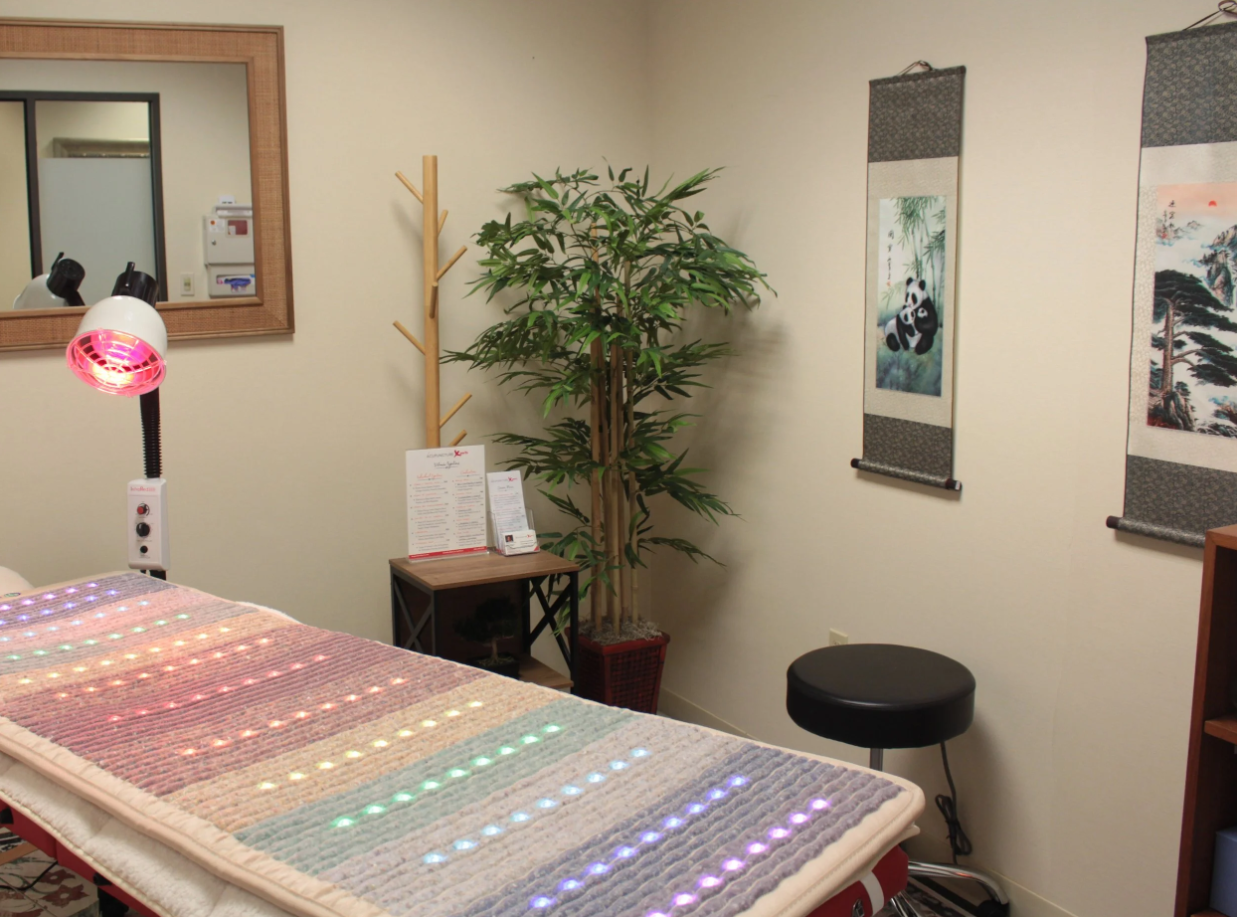
Schedule acupuncture treatment in Boca Raton to focus on post-exercise soreness, comfortable movement and a measured return to activity.
Bring a sport-specific task and next-day response to follow-up so progress reflects how your body handles activity.
Acupuncture Xperts can tailor treatment goals to your injury history, restrictions and rehabilitation priorities.
Have questions or ready to begin? Contact our Boca Raton clinic to get started.
Serving Boca Raton, Parkland, Coral Springs, Delray Beach, Deerfield Beach, Palm Beach County.
Acupuncture Treatment for Sports-Injury Soreness
Book a visit and we’ll build a personalized plan together.