
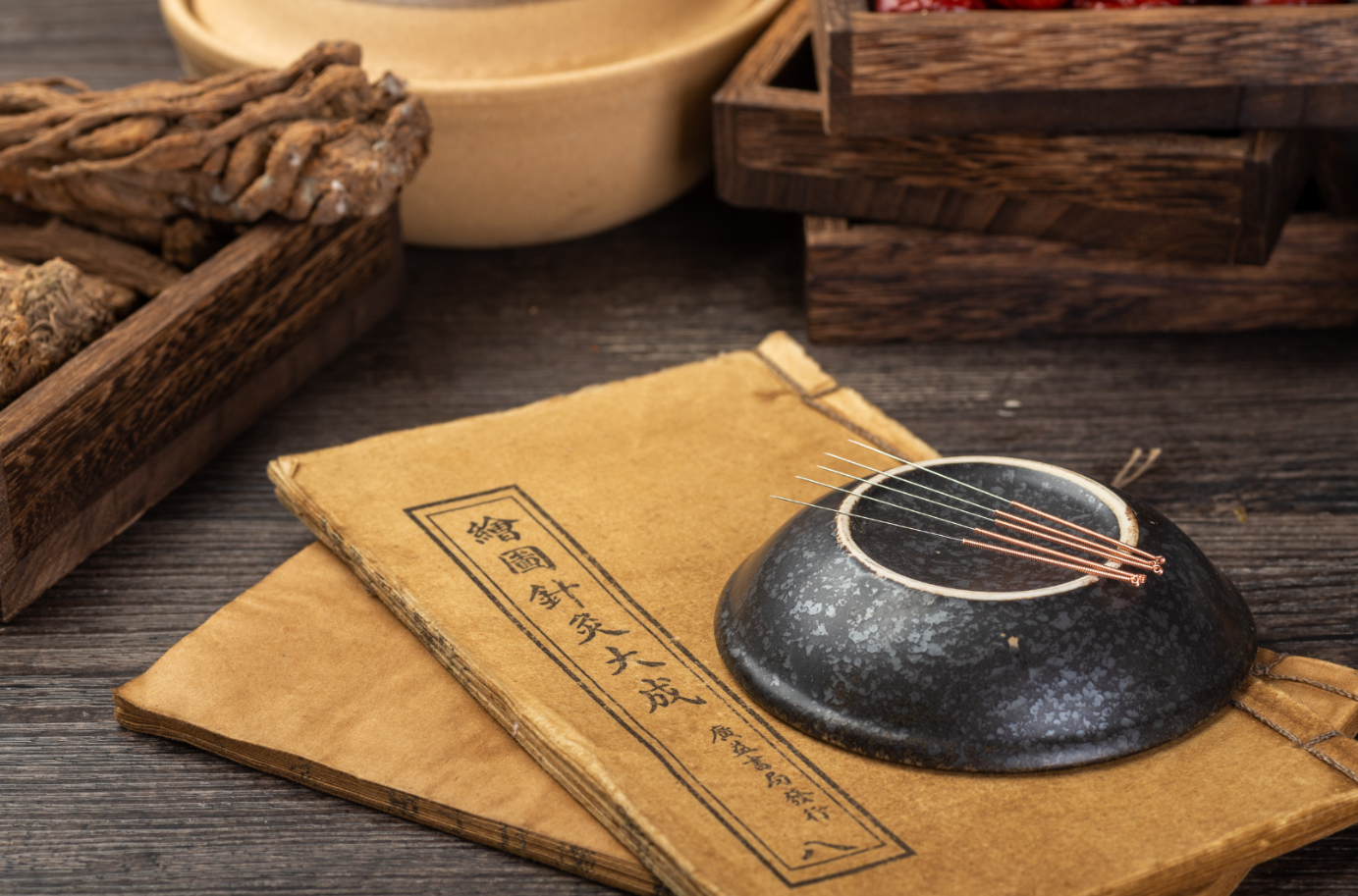
Acupuncture for Plantar Fasciitis
Acupuncture for Plantar Fasciitis in Boca Raton
Acupuncture targets heel pain and foot tension for more comfortable steps throughout the day.
Clinical review pending · Content updated
What Is Plantar Fasciitis?
Plantar fasciitis is irritation of the plantar fascia — the thick band of connective tissue that runs along the sole from the heel to the toes and supports the arch. Repetitive strain causes small-scale irritation and thickening near its attachment at the heel.
Not every painful heel is plantar fasciitis. Stress injury, nerve irritation and other conditions can overlap. A recent increase in walking or running is useful context, while persistent heel pain or inability to bear weight calls for assessment.
Acupuncture treatment for plantar heel pain is built around easier first steps, comfortable walking and steady load progression. Individualized point selection addresses heel pain and surrounding calf or foot tension while treatment pacing respects the tissue’s current tolerance. The service connects symptom relief with practical walking, footwear and rehabilitation goals.
Pain under the heel after rest is common in plantar fasciitis, while stress injury, nerve irritation and other conditions can look similar. Treatment is planned around your assessment, recent activity changes and walking demands. Visits focus on easier mornings, comfortable standing, gradual return to running or work and the foot-strengthening routine that keeps progress moving.
Common Causes
Repetitive Impact
Running, long periods of standing, or a sudden increase in walking can overload the plantar fascia.
Tight Calves and Achilles
Limited ankle flexibility increases strain on the fascia with every step.
Foot Mechanics
High arches, flat feet, or altered gait can concentrate stress on the heel.
Unsupportive Footwear
Worn-out or flat, unsupportive shoes offer little protection for the arch.
Sudden Activity Changes
Ramping up mileage or a new activity too quickly outpaces the tissue’s ability to adapt.
Added Load
Extra body weight or a physically demanding, on-your-feet job increases day-to-day strain.
Symptoms
- Sharp heel pain with the first morning steps
- Pain after standing up from rest
- Heel pain that eases with movement, then returns
- Tenderness at the front of the heel
- Pain after (rather than during) prolonged activity
- Stiffness in the arch and heel
- Discomfort that worsens on hard surfaces or barefoot
Risk Factors
- Running or high-impact activity
- Occupations with prolonged standing
- Tight calf muscles
- High or flat arches
- Unsupportive footwear
- Rapid increases in activity
- Excess body weight
How We Help
Depending on your evaluation, your plan may draw on one or more of the following therapies, often beginning with Acupuncture or Neuromuscular Therapy.
Acupuncture treatment for plantar heel pain focuses on easier first steps, comfortable walking and steady rehabilitation. Treatment is tailored to the load and activities affecting your foot.
- Easier first steps after rest
- More comfortable walking
- Personalized care for your heel-pain and rehabilitation goals
Neuromuscular Therapy treatment for related muscle tension, focused on comfortable movement and rest. Pressure and positioning are tailored to the treatment area, skin condition and current activity restrictions.
Gua Sha treatment for selected soft-tissue tension, focused on local comfort and easier movement. Treatment is chosen after reviewing skin condition, bruising risk and the area involved.
Cupping treatment for surrounding muscle tension, focused on short-term comfort and easier movement. Fire or vacuum cupping is selected after reviewing skin condition, sensitivity and the area involved.
Acupuncture Xperts is located in Boca Raton, serving patients from nearby communities including Delray Beach and Deerfield Beach.
What the Research Says
Selected research and clinical references for plantar fasciitis, with findings and links to the original publications.
Meta-Analysis
Comparative Effectiveness of Acupuncture Versus Non-surgical Modalities for Treating Plantar Fasciitis: A Network Meta-Analysis
A network meta-analysis suggested a short-term pain benefit for acupuncture in plantar fasciitis. Longer-term comparisons were uncertain. Indirect treatment rankings do not establish that acupuncture is the best option for an individual patient.
Ng SC. Comparative Effectiveness of Acupuncture Versus Non-surgical Modalities for Treating Plantar Fasciitis: A Network Meta-Analysis. Cureus. 2024;16(9):e68959. View on PubMed →
Randomized Trial
Efficacy of electroacupuncture plus warm needling therapy for plantar heel pain: a randomised waitlist-controlled trial
A trial of electroacupuncture combined with warm needling favored treatment over a waiting list for plantar heel pain. The combined technique and lack of a sham comparison limit generalization to ordinary acupuncture alone.
Ho LF, Guo Y, Ching JY, et al. Efficacy of electroacupuncture plus warm needling therapy for plantar heel pain: a randomised waitlist-controlled trial. Acupunct Med. 2021;39(4):283-291. View on PubMed →
Study populations, comparison treatments and techniques matter. The references describe research or medical guidance; they do not guarantee an individual result or replace your existing care.
These summaries are educational and describe published research; they are not a guarantee of individual results.
Movement & Self-Care
These options support everyday management of plantar fasciitis. Choose those that fit your diagnosis, current symptoms and existing care plan; not every item is appropriate for every person.
Stretch
Plantar Fascia Stretch
- Sitting, cross the affected foot over the opposite knee.
- Grasp the base of your toes and gently pull them back toward your shin until you feel a stretch along the arch.
- Hold, feeling the band of tissue along the sole become taut.
How much: 3 holds of 20–30 seconds, before the first step of the day and 2–3 more times daily
Use only if cleared for your condition. Stop for sharp pain, new numbness, weakness or a lasting flare.
Mobility
Calf Stretch at the Wall
- Stand facing a wall, hands on it, injured leg back with the heel down and knee straight.
- Lean gently toward the wall until you feel a stretch in the calf.
- Then bend the back knee slightly to shift the stretch lower toward the Achilles.
How much: 3 holds of 20–30 seconds each position, twice daily
Use only if cleared for your condition. Stop for sharp pain, new numbness, weakness or a lasting flare.
Self-Massage
Gentle Arch Comfort
- If appropriate for your foot, use light comfortable pressure while seated.
- Avoid aggressive rolling and extremes of cold, especially with reduced sensation, diabetes, a wound or circulation problems.
- Ask for a suitable alternative if pressure increases pain.
How much: Briefly, only if comfortable and appropriate
Use only if cleared for your condition. Stop for sharp pain, new numbness, weakness or a lasting flare.
Strength
Toe-Towel / Heel Raises
- Progress to gentle strengthening as pain allows: slow heel raises, rising onto the balls of the feet and lowering with control.
- Keep the movement pain-free and controlled.
- Supportive footwear during the day helps protect the fascia between sessions.
How much: 2 sets of 10, once daily, as tolerated
Skip or ease off if heel raises sharply increase your pain.
Practical Self-Care
Adjust the walking load
- Break a long walk into shorter tolerable outings and note next-morning heel pain.
- Keep footwear comfortable and supportive.
- Ask for assessment if pain is worsening or the diagnosis is uncertain.
How much: Use when relevant; follow your individual care plan
Use only if cleared for your condition. Stop for sharp pain, new numbness, weakness or a lasting flare.
Stop any exercise that sharply increases pain, or causes numbness, tingling, or pain radiating into a limb, and consult a qualified provider. These general examples are educational and do not replace an individual evaluation.

Acupuncture Treatment for Plantar Heel Pain
Personalized, non-surgical care from Dr. Winke and the Acupuncture Xperts team.
What to Expect
Your Care Journey
- 01
Initial Consultation
Care begins with a thorough conversation about your health history, lifestyle, and specific goals for addressing your plantar fasciitis.
- 02
Evaluation
We assess the underlying contributors — movement, posture, muscular patterns, and overall wellness — to understand what may be driving your symptoms.
- 03
Personalized Treatment
Based on your evaluation, we build a customized plan that may combine several complementary therapies suited to your individual needs.
- 04
Supporting Recovery
Beyond in-office care, we offer guidance on movement, ergonomics, and lifestyle adjustments to help support lasting results.
- 05
Our Approach
We focus on conservative, non-surgical, whole-person care aimed at addressing root contributors rather than only masking symptoms.
- 06
Why Patients Choose Us
Patients throughout South Florida choose Acupuncture Xperts for our individualized, integrative approach and our commitment to long-term wellness.
Frequently Asked Questions
Usually the aim is to adjust the amount that provokes pain, unless a clinician advises protection for another diagnosis. Shorter bouts and supportive footwear may be more manageable than one long walk.
Avoid aggressive pressure or extreme cold when sensation is reduced. Ask your clinician for a suitable alternative, particularly with diabetes, a skin wound or circulation problems.
No. The evidence concerns symptom relief. The plan should still address footwear, activity demands and appropriate strengthening or stretching for your assessment.
The fascia tightens overnight, so the first steps stretch an irritated, shortened tissue — producing that sharp, stabbing heel pain that often eases as you move around.
Plantar-fascia and calf stretching (especially before the first step of the day), rolling the arch over a cold bottle, supportive footwear, and easing high-impact load are the best-supported measures. See the exercises above.
Usually not at first — the diagnosis is often clear from the history and exam. Persistent heel pain that does not respond, or pain with numbness/tingling, should be evaluated to confirm the diagnosis and rule out other causes.
We set goals around first-step discomfort, comfortable walking and activity tolerance, then review the response and any unwanted effects at follow-up. When progress is useful, we can continue the focus; when it is limited, we can adjust the next step.
For a first acupuncture visit at Acupuncture Xperts, choose New Patient Acupuncture. Established acupuncture patients can choose Signature Acupuncture. Use the booking page to review other service options or contact the clinic if unsure.
When to Seek Professional Care
- Heel pain persists for several weeks despite self-care
- Pain is severe or worsening
- You have numbness or tingling in the foot
- The heel is swollen, red, or warm
- Pain followed a specific injury
- It is significantly limiting walking or work
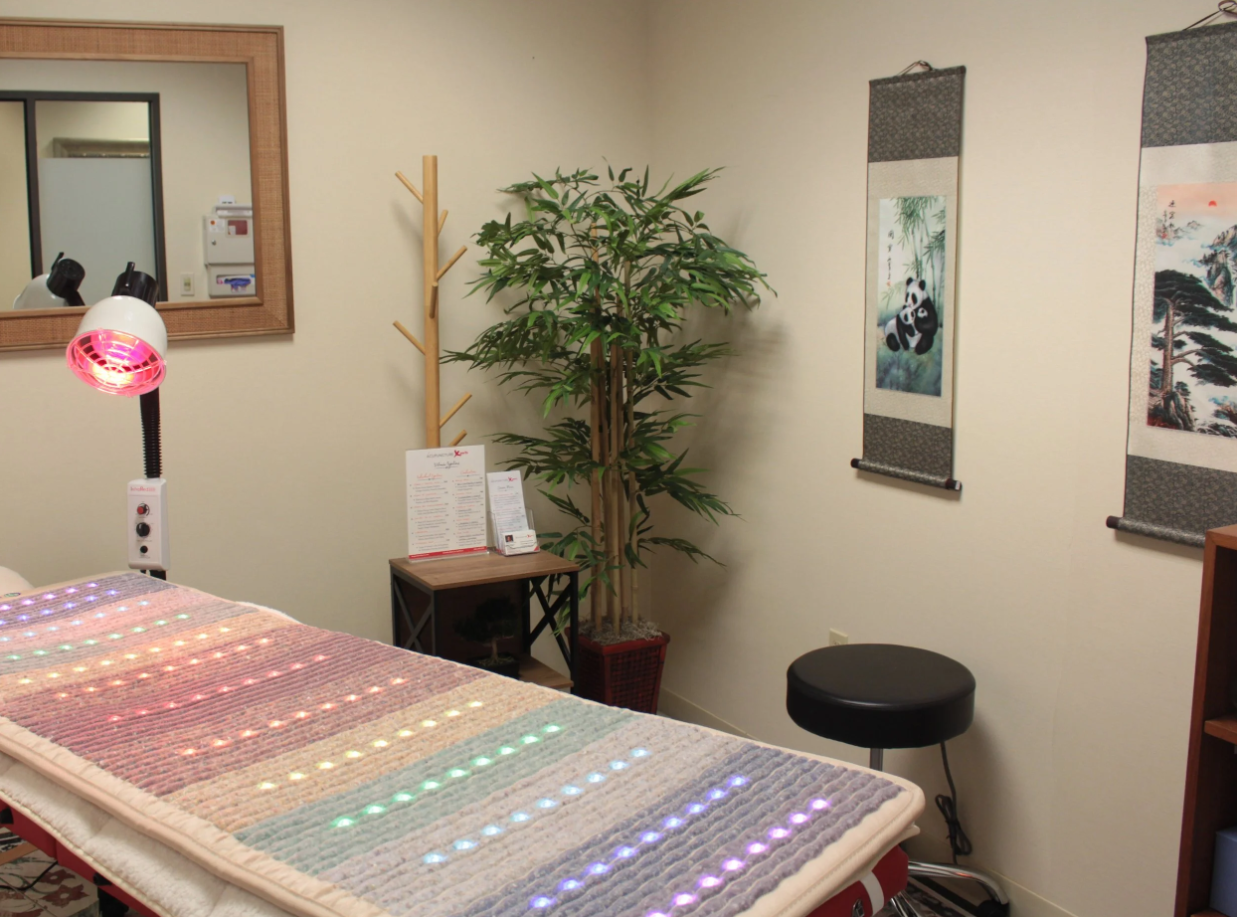
Schedule acupuncture treatment in Boca Raton to focus on plantar heel pain, comfortable walking and steady load progression.
Bring first-step discomfort and comfortable walking time to follow-up so activity changes stay connected to rehabilitation goals.
Acupuncture Xperts can tailor treatment goals to your walking needs and the demands on your foot.
Have questions or ready to begin? Contact our Boca Raton clinic to get started.
Serving Boca Raton, Deerfield Beach, Pompano Beach, Delray Beach, Boynton Beach, Palm Beach County.
Acupuncture Treatment for Plantar Heel Pain
Book a visit and we’ll build a personalized plan together.